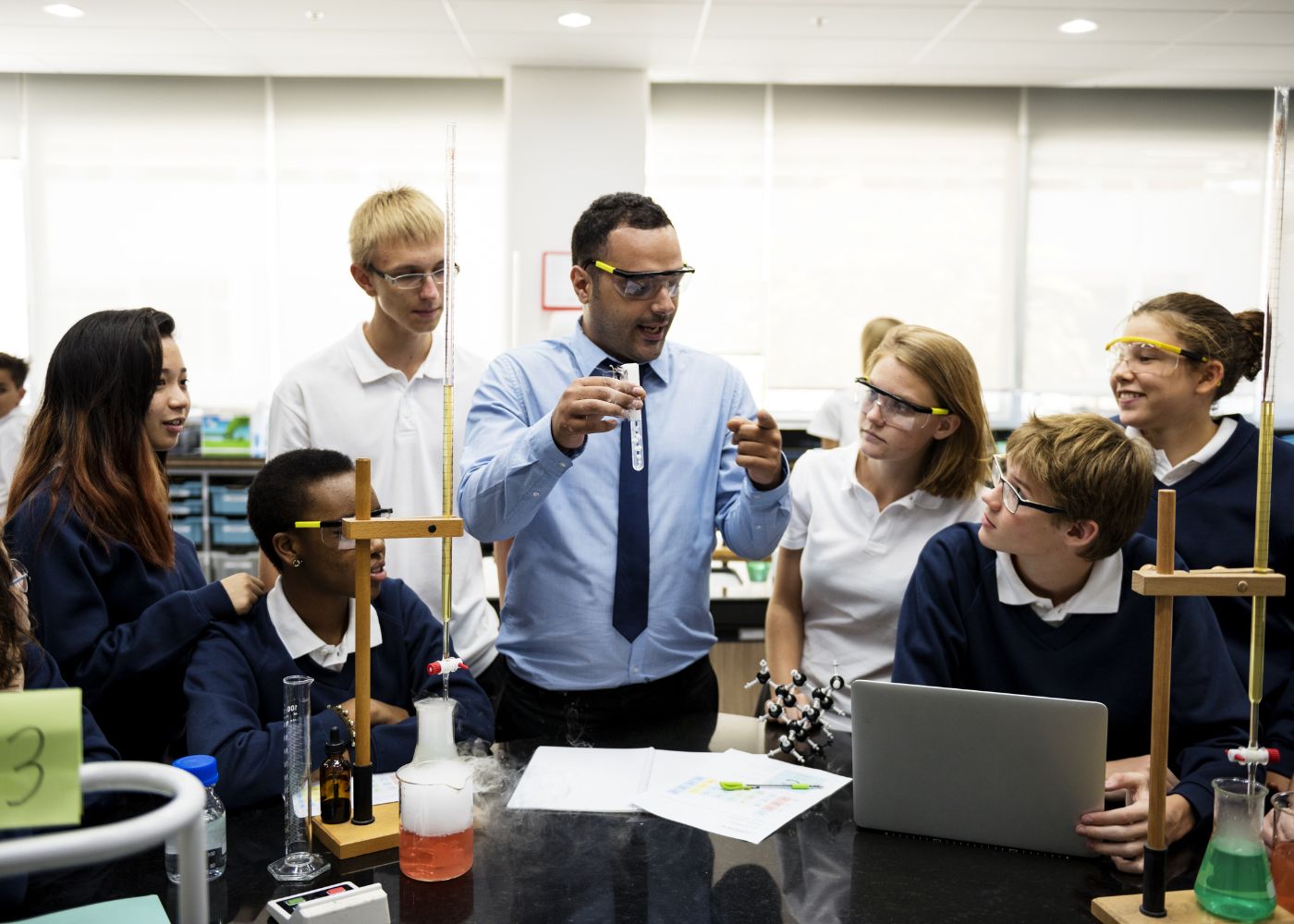
Scoring straight A's is no longer a guarantee of success in our rapidly changing world. It's transferable, real-world skills are the crucial things that will help them navigate, and thrive, in the workplace of the future. Read about how international schools in Singapore are future-proofing their students.
There’s one thing that all schools have in common: they all share a mission in developing students who are educated, independent, and able to contribute to society. In essence, every aspect of the schooling experience goes towards preparing students to take the big step into the real world after graduation.
However, the ‘real world’ as we know it is changing rapidly at an unprecedented pace. This also means that our children will be facing never-before-seen challenges when it’s time to leave school. As such, it’s more important than ever for schools to ensure their students are equipped with real-world skills and be future-ready.
But here’s the thing, these skills are often not found in textbooks. So how do schools help their students develop these crucial skills? We spoke to some of Singapore’s top international schools to find out how they prepare students to take on the real world.
Why trust this guide
HoneyKids Asia has been covering all things education-related in Singapore for over a decade. As parents raising children in the age of AI, we too prioritise an education that can future-proof our children. For this guide, we specifically asked international schools about the types of learning methods and beyond-classroom initiatives that they’re doing to develop future-ready individuals.
How are international schools in Singapore future-proofing their students?
Nexus International School (Singapore)
- Curriculum: IB
- Future-ready offering: NEXSteps Career Programme, which includes the Young Founders School bootcamp and a career fair.
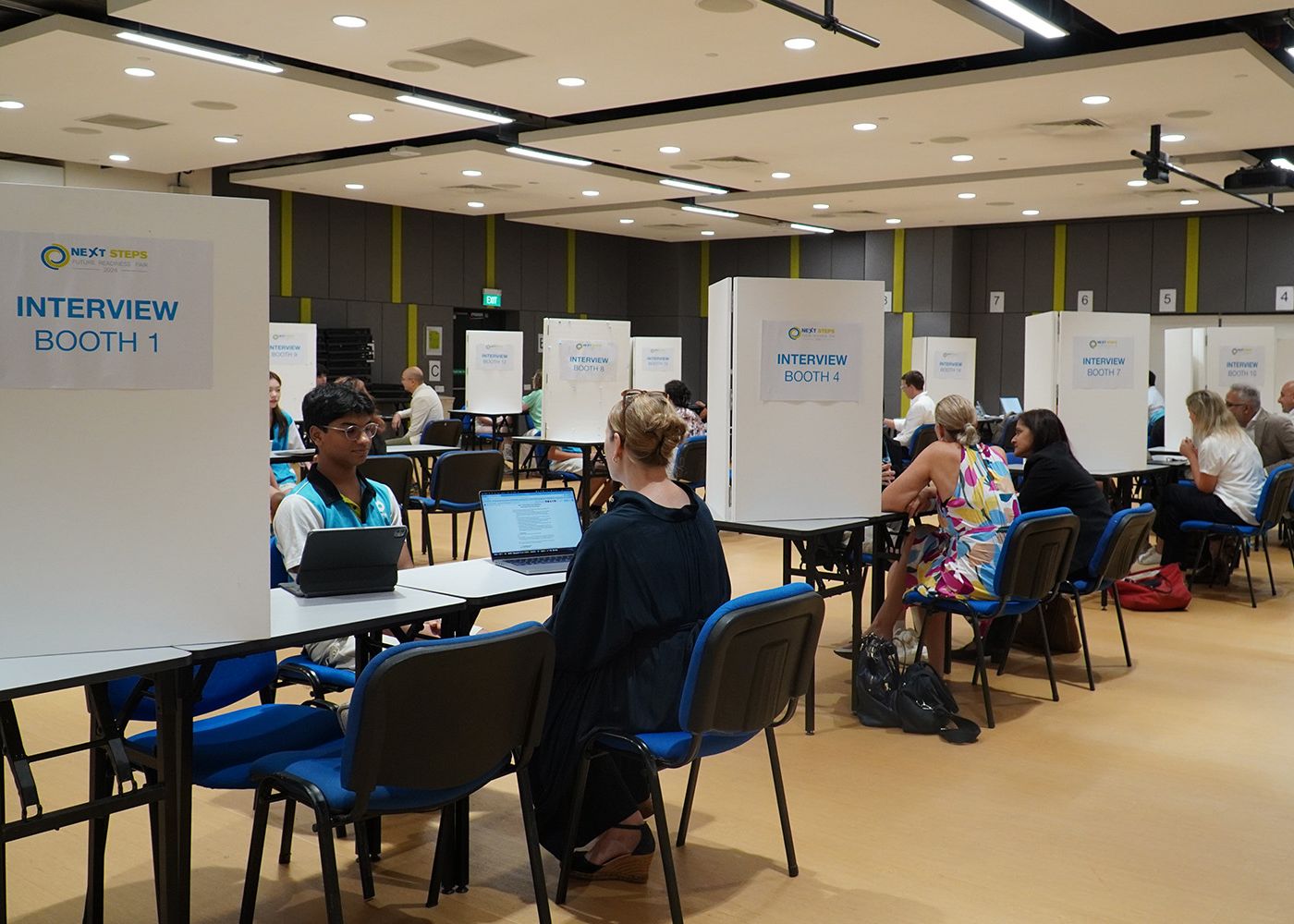
Year 9 to 13 learners at Nexus International School (Singapore) get prepped for the world beyond school walls through the careers and university programme. This programme is delivered through the joint efforts of Nexus’ careers and university counsellors, IB coordinators, phase leaders, and even the learners’ teachers themselves.
The programme starts in Year 9, where the main focus is for learners to find out more about their skills and interests, as well as get to know themselves as an individual. In Year 10, learners are encouraged to discuss their aspirations for the future as they sit for a series of psychometric tests and quizzes. Not only do these help with subject recommendations as they move on to higher grade levels, they also serve as a foundation for the NEXSteps Career Programme. As they progress to Years 10 to 12, learners get to participate in the exciting NexSteps workshops where they learn about entrepreneurship and career exploration. Last but not least, Year 12 learners get one-on-one sessions with their guidance counsellor all the way through their final year.
Learners are always thrilled to join the NexSteps workshops, which includes activities like the Young Founders School bootcamp led by seasoned entrepreneurs and industry leaders; as well as panel talks featuring representatives from Apple, Google, Airbnb, and more. On top of these, learners get to benefit from the annual NexSteps Future Readiness Career Fair not just to learn about career options, but also get interview tips from employees of companies like Apple and CIMB. Another highlight of the workshops is the mock job interview sessions organised by Nexus, which allow learners to gain valuable insights about their CV and interview responses. Tailored university sessions are prepared for Year 12 learners to find out more about university and course requirements, as well as workshops on college essay-writing, practice interviews, and even one on writing a strong CV.
Nexus International School’s (Singapore) website
Nexus International School’s (Singapore) profile
Tanglin Trust School

- Curriculum: English national curriculum, IB Diploma Programme (IBDP), A Levels
- Future-ready offering: The Institute @ Tanglin, which includes expert speaker series, entrepreneurship programme with Reactor School, and more.
Curious as to how the gold winner for International School with the Most Future-Ready Students preps its students for the real world? Tanglin Trust School’s students and families have The Institute @ Tanglin to thank for.
The Institute is set up to inspire, challenge, and prepare the school’s students to step up into their role as future leaders. This is done through inviting thought leaders across disciplines for speaker events and various programmes with industry partners. The Institute recently concluded its successful Centenary ‘Future Of’ speaker series, which featured experts in forward thinking areas of AI, robotics, future of medical health, and geopolitics. Its programmes also bring in industry experts to coach and work directly with students.
Here’s a peek: The Institute held a 16-week entrepreneurship programme in partnership with Reactor School, which saw four Sixth Form student teams pitch their business ideas to a judging panel consisting of business leaders and venture builders. Tanglin’s students examined real-world problems based on United Nations’ Sustainable Development Goals and came up with solutions, which they then turned into fully developed prototypes and pitched for ‘pre-seed’ funding – just like in the real world! EduBot, the team that won the best pitch prize had a scalable, feasible business idea (with an interested investor secured) to improve educational outcomes in rural Indonesia. Initiatives like this creates opportunities to broaden interdisciplinary thinking, encourage creativity, innovation, and challenge students, ensuring they have what it takes to flourish within school and beyond.
Tanglin Trust School’s website
Tanglin Trust School’s profile
XCL World Academy
- Curriculum: IB
- Future-ready offering: Inquiry-led and project-based learning, AI and technology programmes which includes lessons in digital citizenship.
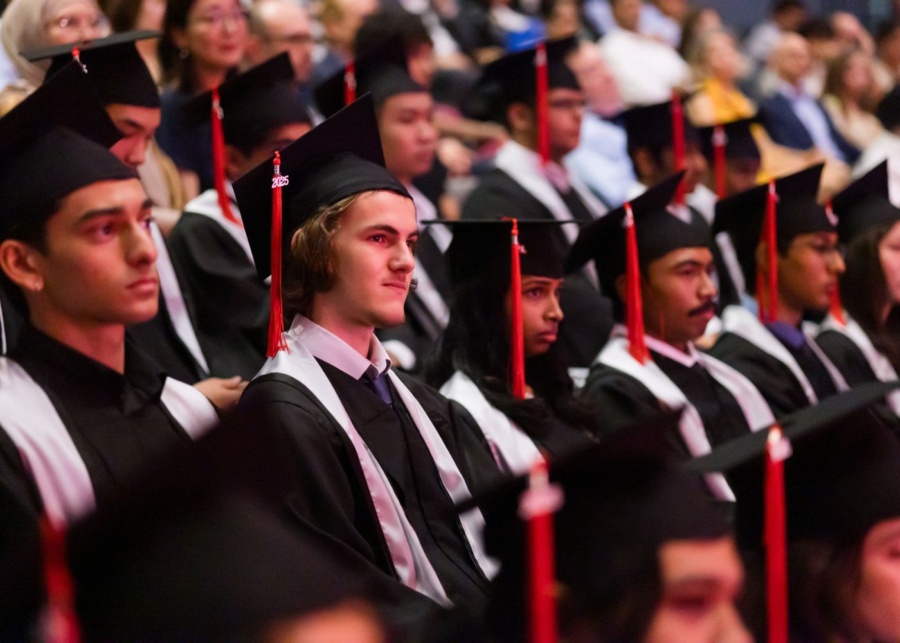
XCL World Academy (XWA) prides itself for having a future-ready curriculum – but what does this look like in practice? Class of 2024 Edwin Cheah’s experience is a great example of how the school prepares students for the real world.
Academically, Edwin and his peers follow the IB curriculum and graduate with the IBDP – a qualification that is highly sought after by universities worldwide. But XWA stands out in its delivery of the curriculum, which is done through an inquiry-led and project-based approach, encouraging students to take ownership of their learning and contribute meaningfully in class. This helps them build essential soft skills like critical thinking, problem solving, and creativity, which will benefit them in university and the workplace. True enough, Edwin graduated with perfect IB scores, and even secured a full rider Freeman Scholarship to Wesleyan University in the USA.
But it wasn’t just exam scores that helped him achieve the scholarship – Edwin built a solid portfolio through the extracurricular activities (ECAs) he participated in XWA. The school offers a wide range of ECAs and experiential learning opportunities to cater to every student’s interests. It also has strong facilities and resources to support them as well. For Edwin, this included launching Innovation Circuit, his non-profit organisation that secured its own funding.
XWA stands out with its AI and technology offerings too. Students learn how to use digital tools responsibly and ethically, starting with the fundamentals before progressing to advanced tools. Digital citizenship is introduced as early as the kindergarten years; and students of all ages are encouraged to apply technology to real-world challenges, such as sustainability and innovation.
Last but not least, Edwin has benefited from XWA’s university and career guidance that begins in Grade 8 (13 years old) for all students. He received one-to-one, personalised support from an experienced counsellor (a Harvard graduate), covering coaching, subject selection, and pre-university preparation, as well as mentorship from alumni and industry leaders. This helped Edwin clarify his future goals and tailor his university applications, so he is ready to take on real-world challenges in both academia and the workplace confidently.
RD American School

- Curriculum: American
- Future-ready offering: Cognitive science-based learning methods, including metacognition, productive struggle, and retrieval practice.
At RD American School, cognitive science provides the foundation for student learning. How does this work in practice? It uses an approach inspired by its top-ranked partner, Riverdale Country School in the United States. From a young age, students are taught the foundations of metacognition, productive struggle, and retrieval practice, developing strong learning habits that will last a lifetime. Along the way, they acquire 21st-century skills such as creativity, collaboration, critical thinking, and communication — real-world abilities that will benefit them regardless of what the future holds.
It may sound like a lot for students to take on, but no one at RDAS walks the journey alone. A dedicated team of passionate educators supports each child both academically and socially. Students meet regularly with their teachers to set meaningful, personalised goals, and work together to achieve them. Learning here extends far beyond assessments: project- and inquiry-based learning play a central role, demonstrating to students how their learning connects to the real world, teaching them to thrive both independently and in groups. At the same time, ongoing assessments ensure that learning is customised to each child’s pace and individual style.
All of this takes place in state-of-the-art facilities, including the innovative Inquiry Lab, where students explore personal interest projects. The aim is to nurture individuality, celebrating who they are and what excites them. A robust social-emotional curriculum further supports this holistic approach. For example, daily wellness sessions provide a safe space for students to learn how to build healthy habits and relationships, persevere through challenges, and reflect on their learning and actions.
German European School Singapore
- Curriculum: Full IB continuum taught in English, including the career-related programmes (IBCP); and German curriculum up to Abitur (equivalent of IBDP and A Level).
- Future-ready offering: BeyondClassrooms programme that comes with internships and industry visits with global brand partners, IBCP specialist pathways with prestigious institutions worldwide.
German European School Singapore (GESS) believes that one of the best ways to future-proof students is by teaching, or giving students the opportunity to develop skills that they can apply well beyond the classroom.
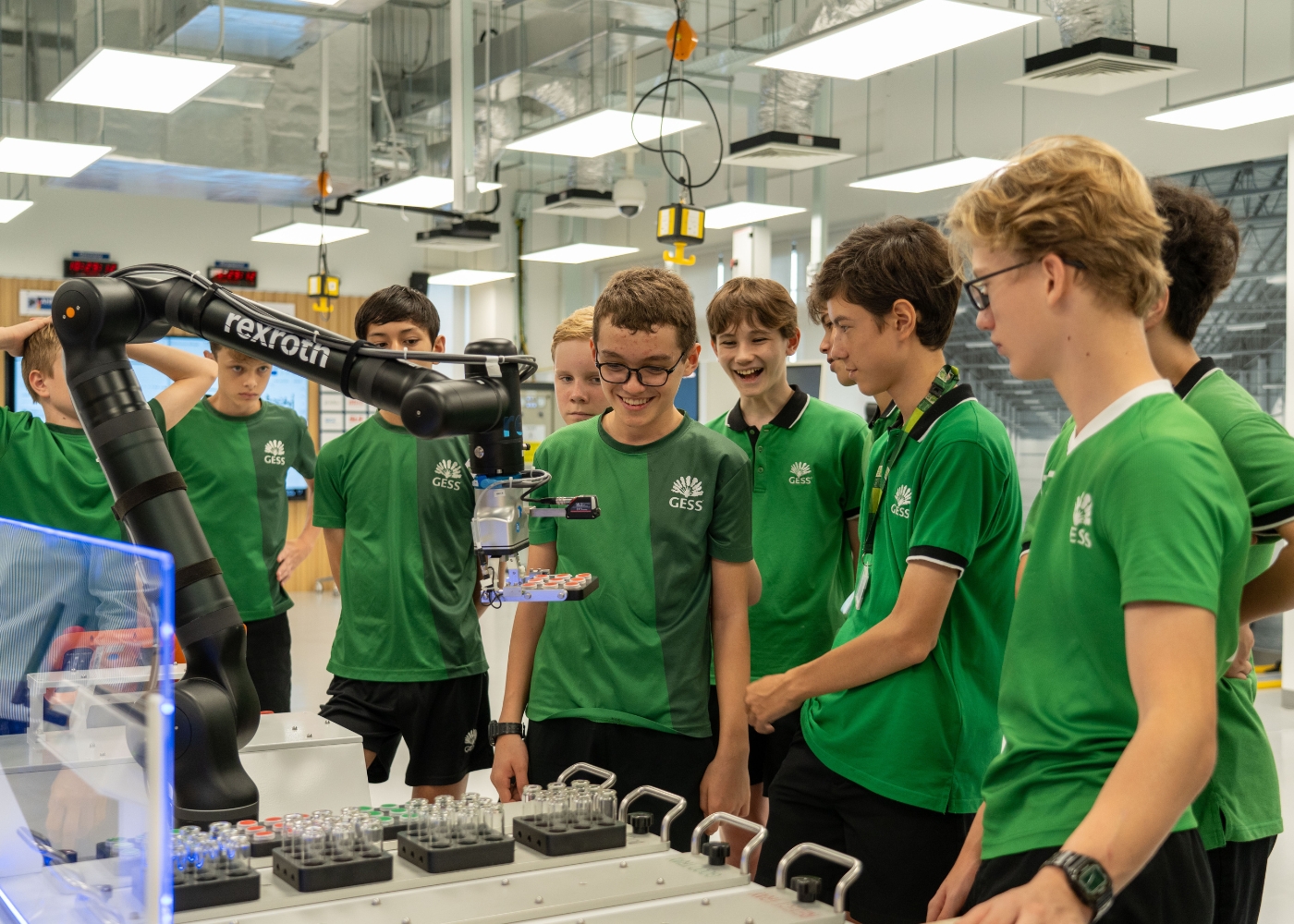
To achieve that, having a strong academic foundation is a must, but exam scores alone aren’t enough. That’s why GESS offers the IBCP (and is one of the few schools in Singapore to do so) as well as the BeyondClassrooms programme, both offering students real-world and career-related learning opportunities. Students taking the IBCP at GESS have three specialist pathways to choose from: sustainable business, fashion, and hospitality with Switzerland’s Sustainability Management School; arts, design, and digital media with US’ Savannah College of Art and Design; and World Academy of Sport for sports management. Under the BeyondClassrooms programme, the school partners with industry leaders like Siemens, Bosch Rexroth, and Evonik to provide students with internship opportunities, industry visits, and innovation challenges. Besides that, GESS ensures students are taught digital citizenship by embedding lessons on responsible use of AI and technology into classroom lessons.
The outcome? Future-ready students with excellent results (100% IBDP and IBCP pass rate, 35.7 average score, with one perfect 45/45 scorer), with university offers from the likes of New York University, University of Edinburgh, Heidelberg University, and more.
German European School Singapore’s website
German European School Singapore’s profile
The GUILD International College
- Curriculum: Australian, specifically the Victorian curriculum.
- Future-ready offering: Transition programme and career pathway programmes, which covers pre-vocational and vocational training, as well as job readiness skill development.
For neurodivergent young adults, navigating the real world comes with its own unique set of challenges. Aside from the dynamic nature of the job market, neurodivergent youths also face hurdles in the form of communication barriers, sensory sensitivity, executive function struggles, as well as possible limited understanding of neurodiversity on the employer’s part.
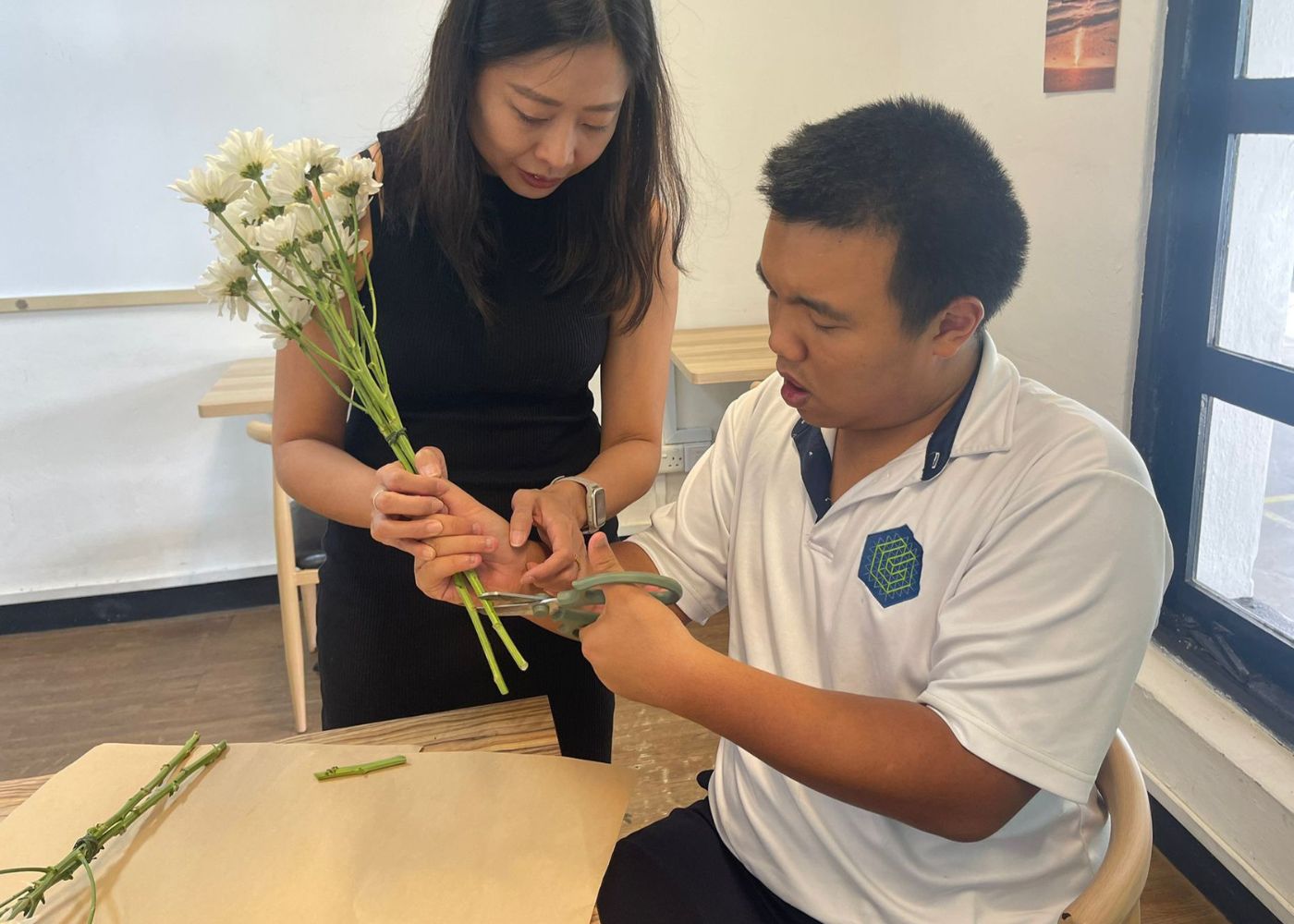
As an inclusive school that also caters to youths with special needs, The GUILD International College is on a mission to bridge this gap in the labour market and help its students succeed. Pre-vocational and vocational training, as well as job readiness skill development are crucial elements in the college’s transition programme and career pathways programmes. Students as young as 16 can participate in these programmes, where they pick up digital office skills, teaching assistant training, culinary skills in baking, hotel operations training, and floristry, just to name a few. The GUILD International College has a specialised in-house job coach too, who offers ongoing guidance and support to students throughout their transition journey.
Efforts to help students transition don’t just take place within college walls. The GUILD International College actually provides training to potential employers about the different disabilities, even supporting them on making the workplace inclusive for neurodivergent youths. There are also partnerships between the college and organisations to create internship opportunities for its students. Last but not least, educators, therapists, and counsellors of the college work closely with students and their families to create a transition that’s holistic and seamless for them.
The GUILD International College’s website
The GUILD International College’s profile
ISS International School
- Curriculum: IB and American-style High School Diploma (HSD)
- Future-ready offering: Competency-based learning, which covers real-world skill mastery and specialised courses.
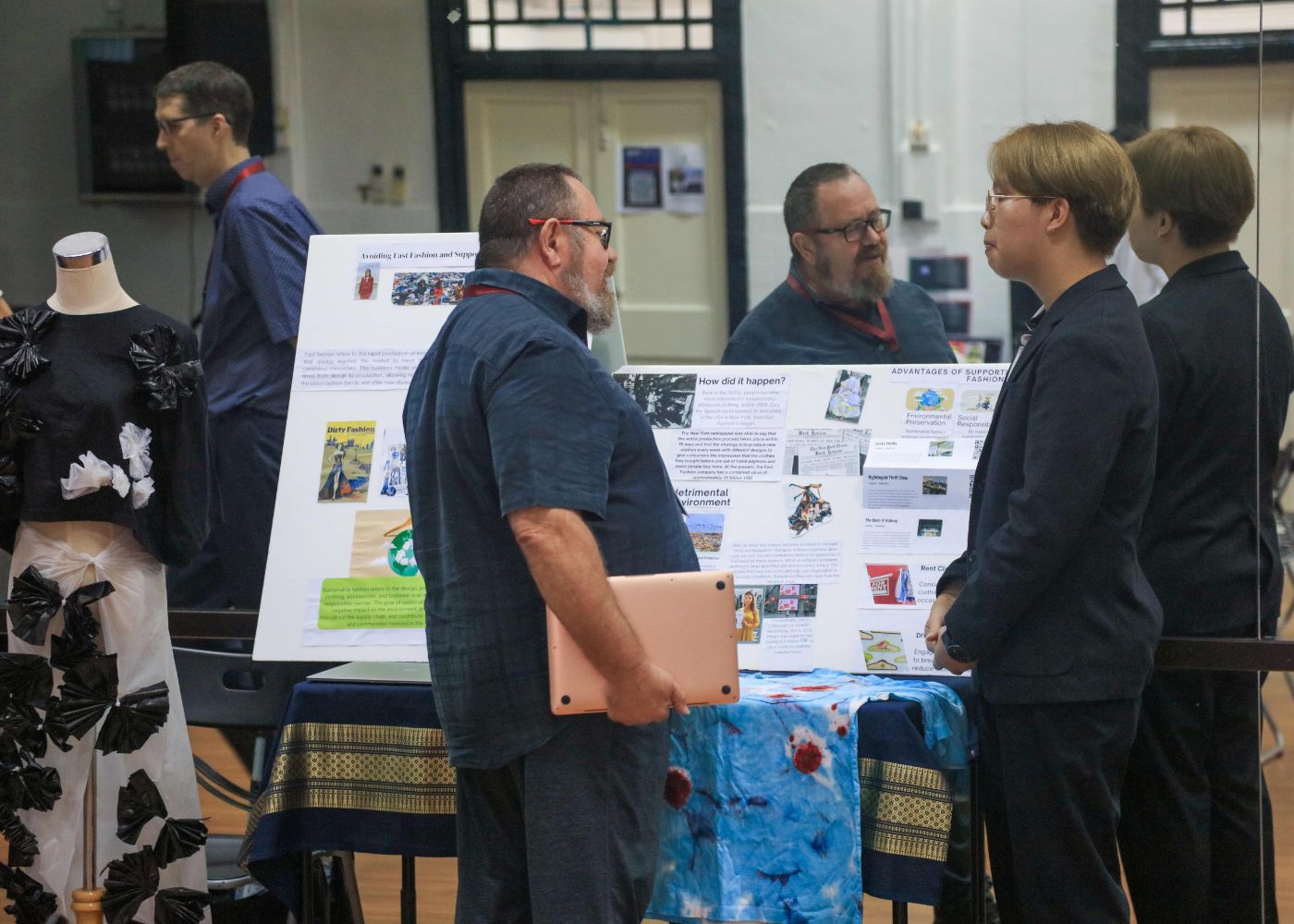
Aside from the IB, students at ISS International School have the option to pursue the American-style HSD programme from Grade 9. This is a student-centred programme that prioritises competency-based learning, with a curriculum that focuses on real-world skill mastery that prepares students for admission to top universities around the world. It also stands out as a collaborative effort among students, parents, and educators, who all come together to create a supportive and empowering educational environment for the students.
In the HSD, students take on both academic and specialised courses that allow them to explore and deep-dive into their respective interests. A portfolio component – which may cover anything from awareness campaigns to entrepreneurship projects – is included to provide students with a beyond-classroom learning experience. They’re also required to complete a final year project that solves real-world problems under the guidance of a mentor (usually an industry professional that’s related to their projects and areas of interest). Last but not least, ISS regularly collaborates with experts and international organisations to facilitate guest speaker sessions for its students.
ISS’ Head of HSD Mr. Kelly Millar describes the programme as one that looks beyond exam scores. “The HSD programme is not just about achieving high test scores, but measures success by the impactful qualities students bring to their lives and communities. This is an immersive learning experience that cultivates practical skills, ensuring students navigate real-world challenges with assurance and resilience.” The programme has made an excellent impact on its students, including Sebastian from Grade 12: “I feel assured and well-prepared. This is not just a programme; it is my guiding compass, equipping me to navigate and conquer the challenges of the real world ahead.”
ISS International School’s website
ISS International School’s profile
International French School (Singapore)
- Curriculum: French national curriculum
- Future-ready offering: Dedicated real world skills teaching, which covers cultural literacy, digital literacy, global awareness, and more.
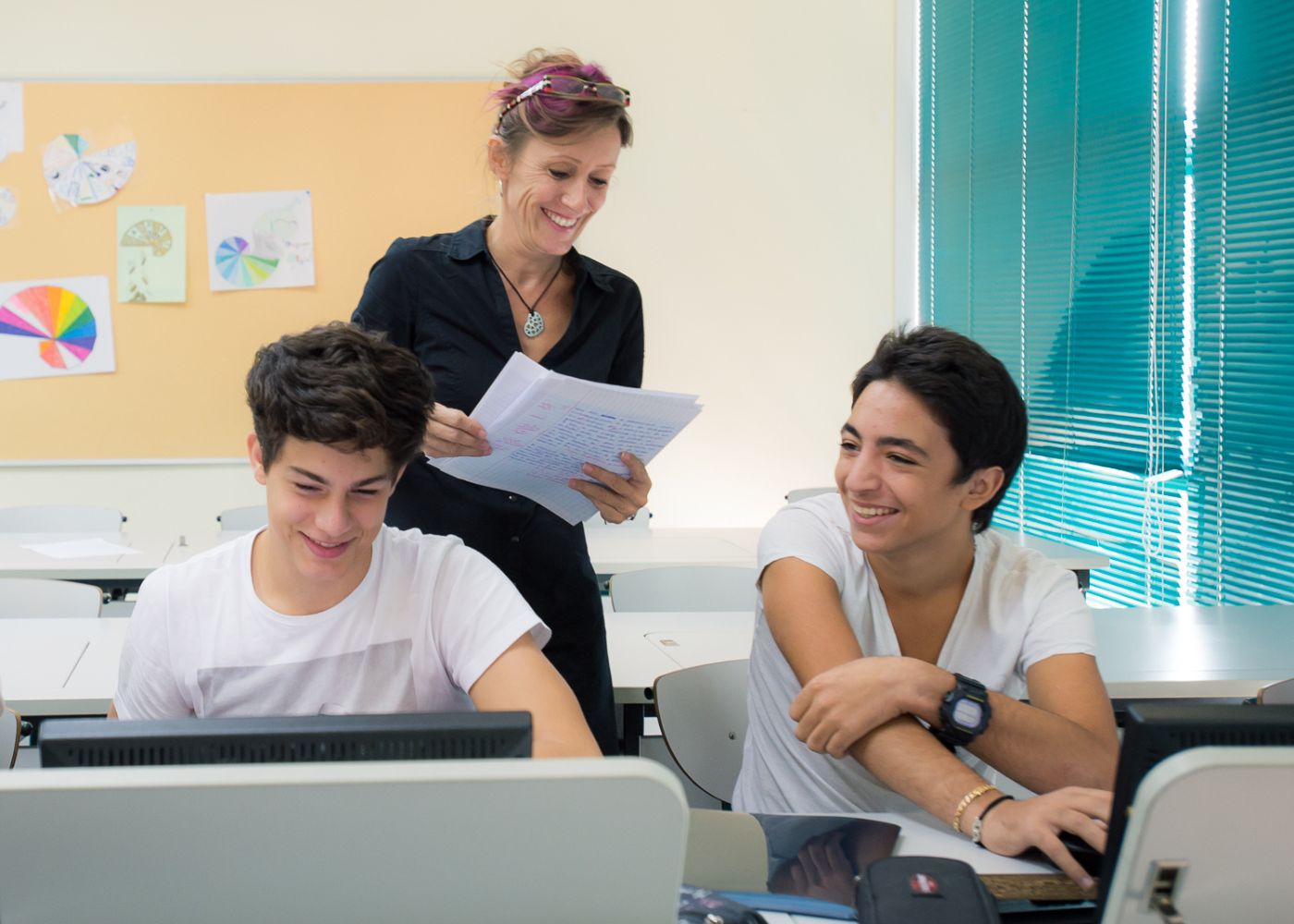
The French education system places significant importance on equipping students with an extensive set of real world skills. These skills include language proficiency and communication, critical thinking, math and science competence, cultural literacy, digital literacy, research and information literacy, global awareness, as well as citizenship and ethics. Students are equipped with these at International French School (Singapore), as the school follows a comprehensive educational approach that goes beyond traditional academics. Through emphasis on these skills, IFS ensures that its students grow into academically proficient, well-rounded individuals who are able to excel in diverse contexts and make meaningful contributions to the world.
In line with the French education system, IFS encourages students to participate in ECAs that align with their interests; while promoting skills like leadership, teamwork, and creativity. For instance, student-led independent research projects fosters curiosity and willingness to tackle challenges. Strong communication skills, acquired through activities such as public speaking and debates, are crucial for post-high school success. Digital literacy and technology are integrated into IFS’ curriculum to prepare students for the modern digital landscape. It also has a university guidance programme that assists students in identifying their career goals, selecting suitable universities and programmes, as well as preparing application materials. On top of that, internship opportunities are offered to provide students with real-world experience and skills development. But that’s not all – mental health and wellbeing of students are prioritised at IFS too. Its Secondary School counselling programme focuses on student wellbeing and offering support in all aspects of their school life. Counsellors address students’ unique needs, promote a healthy lifestyle and a sense of purpose beyond education, ultimately preparing them for life.
International French School’s (Singapore) website
International French School’s (Singapore) profile
Sir Manasseh Meyer International School
- Curriculum: IPC, IMYC, and Cambridge IGCSE
- Future-ready offering: Future ready skills – such as social and emotional resilience, positive communication skills, STEAM skills – incorporated into the curriculum.
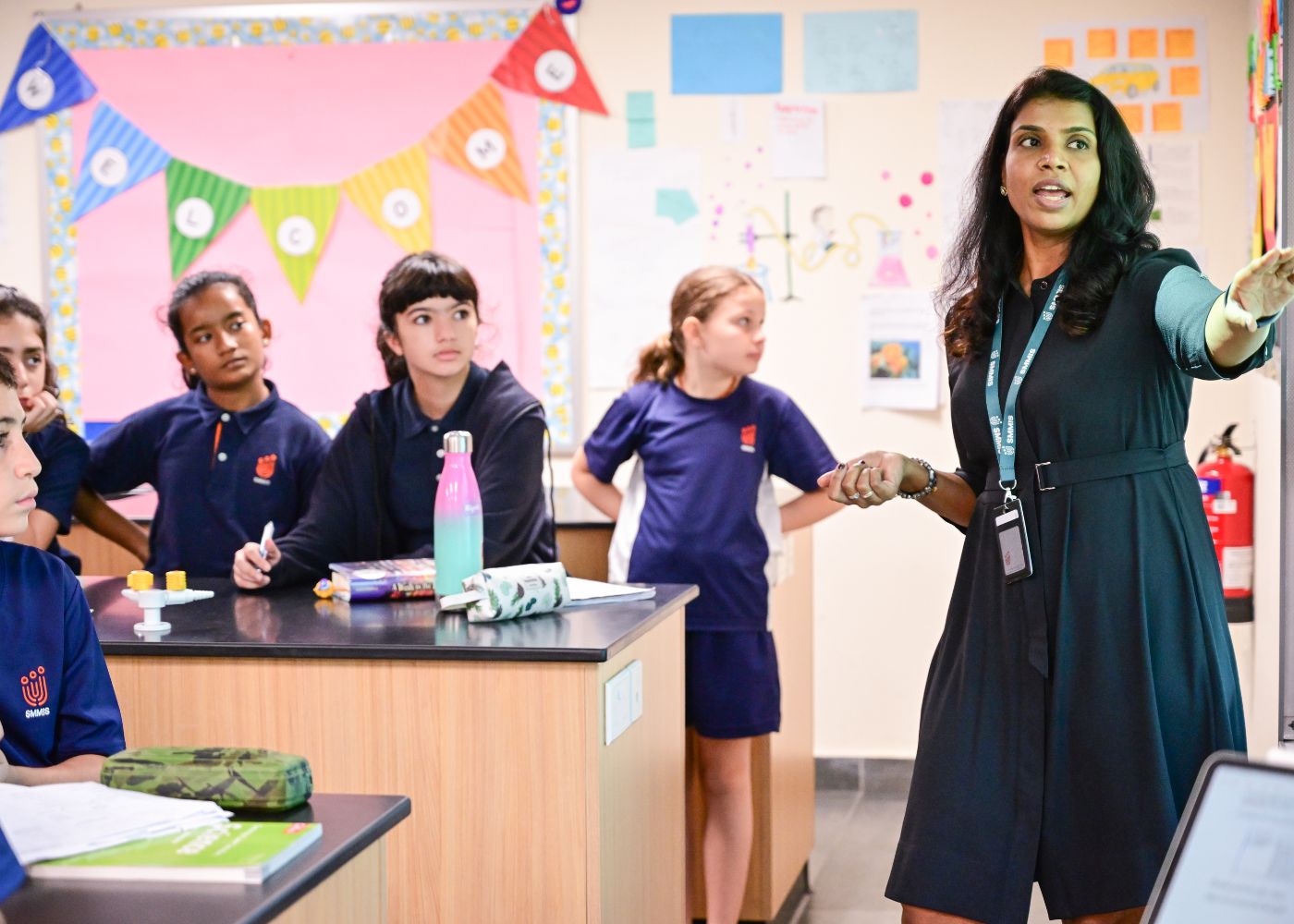
For Sir Manasseh Meyer International School (SMMIS), preparing students for the real world means giving them future ready skills as well as a safe and secure start in life. The school believes it’s essential to help young people develop emotional and social resilience, teach them language and positive communication skills, as well as technology and STEAM to make them future-ready. The ability to communicate clearly and respectfully is a key skill; whereas knowledge in technology and STEAM teaches students to navigate the increasingly digitalised world safely and ethically. But most importantly, social and emotional resilience ensures students can take care of their own wellbeing and mental health.
SMMIS incorporates all these in its academic curriculum and co-curricular offerings. Students are taught future-ready skills and resilience through personal, social and health education lessons, drama and public speaking classes, makerspace and IT classes, and more. The wide array of after-school activities provided, as well as local and overseas field trips also prepare students for a life beyond school. Teaching staff are trained to use AI in the classroom ethically to equip students with technology skill sets. In line with its commitment to tikkun olam (repairing the world), SMMIS places strong emphasis on community service through service learning and its National Youth Achievement Award. Students gain lifelong skills and empathy by volunteering in the student council and running house activities.
Sir Manasseh Meyer International School’s (Singapore) website
Sir Manasseh Meyer International School’s profile
Overseas Family School
- Curriculum: IPC and IB
- Future-ready offering: Compulsory lessons in chess and coding to boost critical thinking and problem-solving skills
The curriculum and programmes at Overseas Family School (OFS) are intentionally designed to strengthen 21st century competencies among its students. This includes teaching students critical and inventive thinking, as well as values like empathy and resilience. All these are integrated into the curriculum from kindergarten onwards.
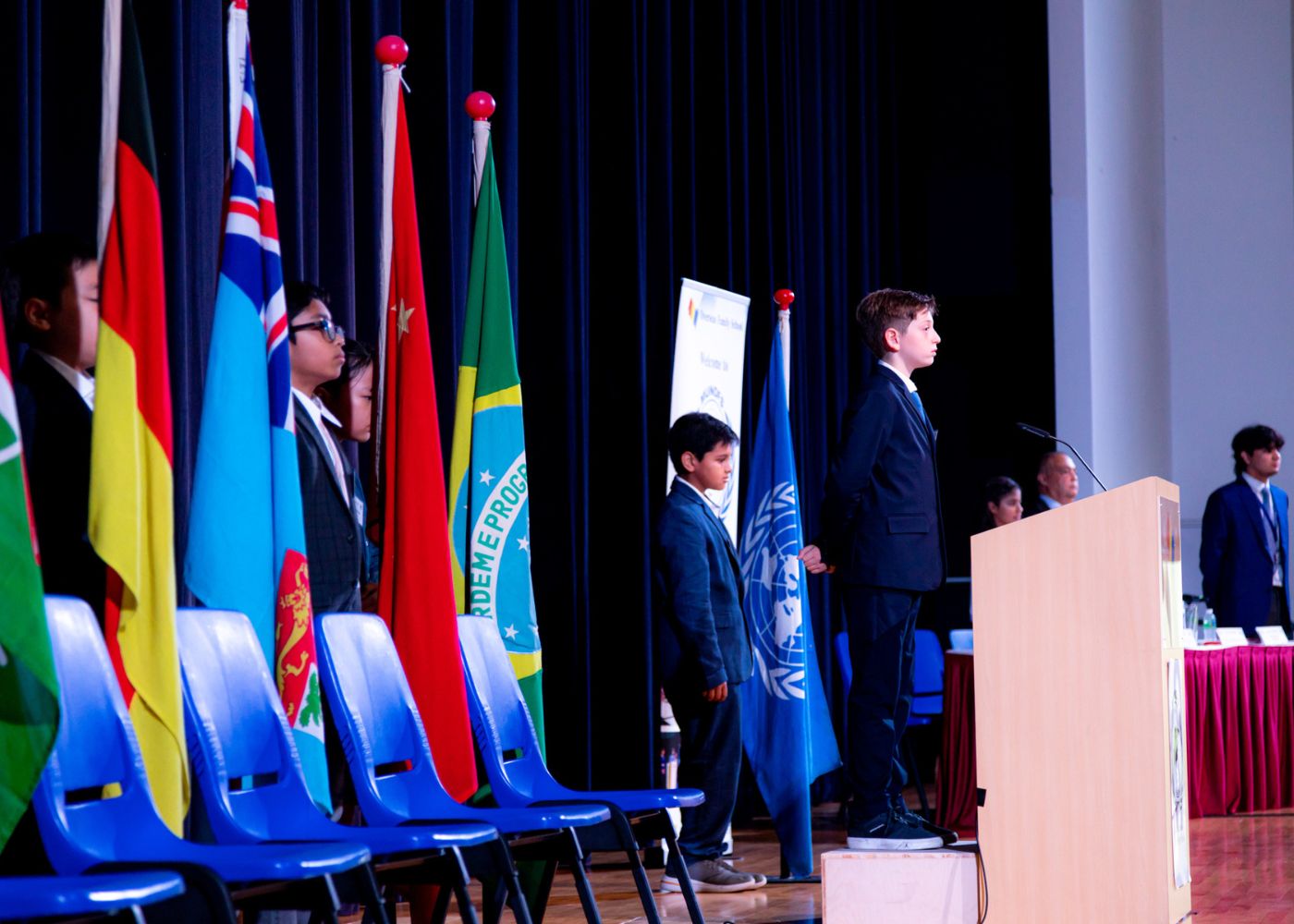
Academic-wise, the IB curriculum at OFS is delivered with a strong focus on transferable skills like research, communication, critical thinking, collaboration, and reflection. For example: OFS is one of the few schools that provide students with the opportunity to conduct their Extended Essay in World Studies. This encourages students to investigate challenging global issues that cannot be adequately investigated within the confines of a single subject. Unique programmes such as chess and coding are included as a compulsory part of OFS’ Elementary School curriculum. These programmes teach students to think strategically and boost their problem-solving skills. Aside from these, OFS’ Model United Nations and extensive Mother Tongue Programs nurtures an appreciation for multiculturalism and multilingualism – as essential aspect in our interconnected world.
Students at OFS also have the opportunity to engage in a wide array of ECAs. This facilitates the Creativity, Activity, Service (CAS) component of the IB, as students can participate in activities like the Red Cross, The Ocean Project, and Riding for the Disabled. Students can also join special interest clubs like Law Academy, Medical Scholars, and the Psychology Club. These give students the chance to lead, collaborate, make a meaningful impact on their community, and explore future careers.
Overseas Family School’s (Singapore) website
Overseas Family School’s profile
At a glance
Schools | Curriculum | Future-ready offering |
Nexus International School (Singapore) | IB | NEXSteps Career Programme, which includes the Young Founders School bootcamp and a career fair. |
Tanglin Trust School | - English national curriculum - IB | The Institute @ Tanglin, which includes expert speaker series, entrepreneurship programme with Reactor School, and more. |
XCL World Academy | IB | Inquiry-led and project-based learning, AI and technology programmes which includes lessons in digital citizenship. |
RD American School | American | Cognitive science-based learning methods, including metacognition, productive struggle, and retrieval practice. |
The GUILD International College | Australian (Victorian curriculum) | Transition programme and career pathway programmes, which covers pre-vocational and vocational training, as well as job readiness skill development. |
ISS International School | - IB - American-styled High School Diploma | Competency-based learning, which covers real-world skill mastery and specialised courses. |
International French School (Singapore) | French national curriculum | Dedicated real world skills teaching, which covers cultural literacy, digital literacy, global awareness, and more. |
Sir Manasseh Meyer International School | - International Curriculum - Cambridge IGCSE | Future ready skills – such as social and emotional resilience, positive communication skills, STEAM skills – incorporated into the curriculum. |
Overseas Family School | - International Curriculum - IB | Compulsory lessons in chess and coding to boost critical thinking and problem-solving skills |
Frequently Asked Questions
What skills are considered transferable and future-ready?
Transferable skills, on the other hand, are a set of skills that are important and can be applied across roles and industries.
Examples of skills that are considered future-ready and transferable include: critical thinking, digital citizenship, leadership, and relationship building.