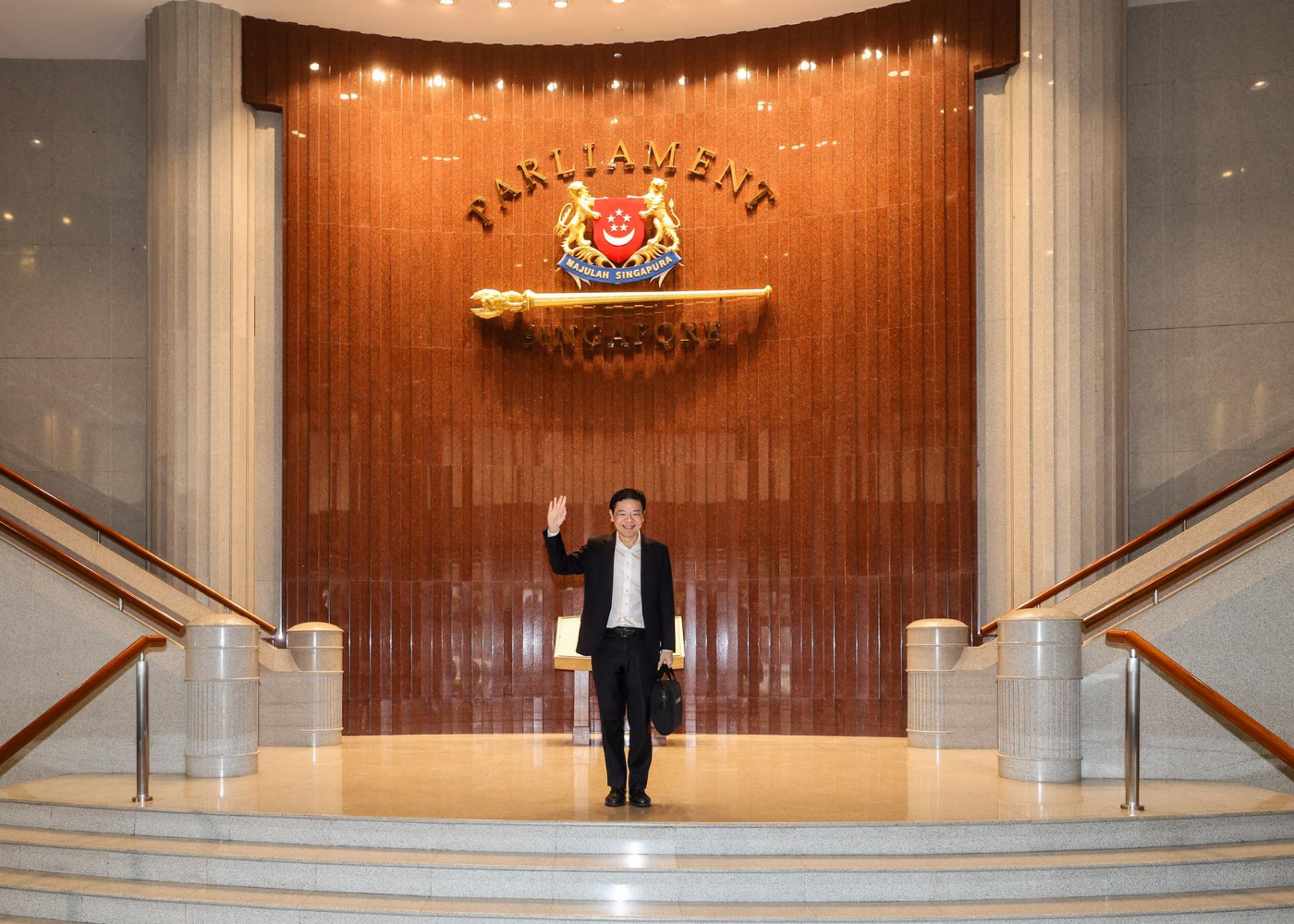
Here's all the buzz about the Singapore Budget 2026! We're giving you the lowdown on the significant changes aimed at enhancing support for families, children and students in Singapore.
National Day Rally 2026 and the Singapore Budget: everything families need to know
Every year, the National Day Rally and the Singapore Budget bring a fresh round of announcements that directly affect how families here live, work and raise their kids. We keep this page updated so you don’t have to wade through hours of speeches. Here’s the plain-English breakdown, from the most recent announcements down.
- National Day Rally 2026: Key takeaways for families
- Budget 2026: Key takeaways for families
- National Day Rally 2025: Key takeaways for families
- SG60 Budget 2025: Key takeaways for families
- National Day Rally 2024: Key takeaways for families
- Budget 2024: Key takeaways for families
National Day Rally 2026: key takeaways for families in Singapore
PM Lawrence Wong delivered his National Day Rally 2026 speech on 23 August 2026 at ITE Headquarters, under the theme “A Changed World. A Stronger Singapore.” The speech covered geopolitical tensions, AI, autonomous vehicles, social media safety and Singapore’s long-term island development plans. But the centrepiece for families was a sweeping overhaul of how Singapore supports parents and children — from birth all the way to age 17. Here’s what matters most.
1. Every Singaporean child will receive up to $70,000 in support — simplified and equalised
This is the biggest announcement of the night for families. The government is consolidating the entire child support system into one unified scheme called the SG Child Support Scheme. Previously, support varied by birth order and was front-loaded at birth. Under the new approach, every child receives the same level of support regardless of birth order, and that support continues throughout childhood rather than being concentrated at birth.
Here’s what every Singaporean newborn will receive:
- Baby Gift: $10,000 (same for every child, regardless of birth order)
- MediSave grant: $5,000
- Child Development Account: $5,000 initial grant, plus up to $5,000 dollar-for-dollar matching grant
- Annual Child Credits: $2,000 per year from age 1 to age 16
- Edusave top-ups every year in primary and secondary school
- Post-Secondary Education Account top-up: $10,000 at age 17
Add it all up and every Singaporean child will receive almost $70,000 in direct financial support over the course of their childhood. Because every child gets the same support, families with more children will naturally receive more overall. Full details will be released in the coming months and confirmed at Budget 2027.
2. Childcare leave is expanding — and the more children you have, the more leave you get
Currently, every working parent gets 6 days of childcare leave if their youngest child is 6 or under, and 2 days if their youngest is between 7 and 12 — regardless of how many children they have. The new structure changes this significantly:
- One child aged 12 and below: 8 days per year
- Two children aged 12 and below: 10 days per year
- Three or more children aged 12 and below: 12 days per year
For a working couple with three primary school children, this means going from 4 days of childcare leave between them to 24 days. That is a real difference for managing school holidays, sick days, appointments and simply being present. The government will also now cover the full cost of all statutory child-related leave up to the reimbursement limit, reducing the burden on employers. PM Wong was explicit: becoming a parent should never be a disadvantage in anyone’s career.
3. Childcare fees will be cut to $150 a month, and infant care to $300

Currently, families pay close to $600 a month for full-day childcare and over $1,000 for infant care at government-supported centres. The government’s stated goal is to reduce these to:
- Full-day childcare: $150 per month
- Infant care: $300 per month
This will apply to every Singaporean child regardless of household income. Lower-income families will continue to receive additional subsidies on top of this. Getting there will take a few years — the network of government-supported operators needs to be significantly expanded first — but the direction and the target are clear.
4. BTO income ceilings raised
More young couples will now qualify for subsidised public housing:
- BTO flats: household income ceiling raised from $14,000 to $16,000
- Executive Condominiums: from $16,000 to $18,000
5. More children means more BTO ballot chances
First-timer families applying for a new BTO flat will receive one additional ballot chance for every child they have, or are expecting. The more children, the more ballot chances — designed to help growing families secure a home sooner.
6. Social media age verification is getting stricter
PM Wong raised serious concerns about the impact of social media on children and teenagers, noting that one in six young Singaporeans aged 10 to 24 show signs of problematic social media use. Platforms will now be required to implement robust, reliable age verification checks rather than relying on self-declaration. For teenagers aged 13 and above, platforms must build in stronger safeguards by design. If a platform’s safeguards remain inadequate, the government will consider raising its minimum age beyond 13.
7. Student care expanding and staying affordable
Every primary school now has some provision for student care, and demand is rising. The government will expand capacity, improve quality and keep fees affordable, including working with selected centres outside schools to give parents more options.
Note: PM Wong described the family package as a “sneak preview” — the workgroup is still finalising details. Full announcements are expected in the coming months and at Budget 2027. We will update this page as specifics are confirmed.
Reference: Prime Minister’s Office Singapore: NDR 2026
Budget 2026: key takeaways for families in Singapore

PM Lawrence Wong delivered the Singapore Budget 2026 statement focused on helping Singaporeans manage the rapidly changing job market — particularly around AI — while continuing to provide cost-of-living support for families and individuals.
1. $500 in CDC vouchers in January 2027
All Singaporean households will receive $500 in CDC vouchers in January 2027. As with previous rounds, half can be used at participating supermarkets and half at participating merchants and hawkers. Check gowhere.gov.sg/cdcvouchers for the list of participating merchants.
2. Cost-of-Living Special Payment
Singaporeans earning up to $100,000 in assessable income who do not own more than one property will receive $200 to $400 in cash. Eligible HDB households will also receive up to $570 in U-Save utility rebates for the financial year.
3. AI literacy in education and the workplace
The government will strengthen AI literacy across education and the workforce. In schools, there will be greater emphasis on how to use AI wisely rather than as a shortcut. For workers, the SkillsFuture website will be redesigned with clearer AI learning pathways, and those who sign up for selected courses will receive six months of free access to premium AI tools.
4. $500 in Child LifeSG credits for every Singaporean child aged 12 and below
Families will receive $500 in Child LifeSG credits per Singaporean child aged 12 and below, credited to the child’s Child Development Account. These credits can be used at both physical and online merchants for household expenses including groceries, pharmacy items, utilities and transport.
5. Higher preschool and student care income thresholds
More families will qualify for preschool and student care subsidies:
- Means-tested preschool subsidies: household income ceiling raised to $15,000 (from $12,000)
- Student Care Fee Assistance: monthly household income threshold raised to $6,500 (from $4,500)
6. Greater support for lower-income families with children
Families under the ComLink+ programme will receive a new payout of $500 per quarter. A family with two children under ComLink+ can receive around $10,000 per year in cash and CPF top-ups while their children are in preschool.
7. CPF top-up for seniors aged 50 and above
Singaporeans aged 50 and above with CPF retirement savings below the Basic Retirement Sum will receive a CPF top-up of up to $1,500. From 2028, a new voluntary life-cycle investment scheme will give members the option to grow their funds with a government-selected provider, at low fees.
National Day Rally 2025: key takeaways for families in Singapore
PM Lawrence Wong’s second National Day Rally speech covered AI and jobs, screen time guidelines for young children, stricter penalties for vapes, age-friendly neighbourhoods and new development plans for Northern Singapore.
1. No screen time for infants and toddlers
PM Wong emphasised the importance of protecting young children from the potential harms of technology. Reputable sources including Nemours KidsHealth recommend no screen time for babies under 18 months (except video calls), as their brains are still developing. Parents are encouraged to follow these guidelines and prioritise other forms of play and interaction for very young children.
2. Stricter penalties for vapes
Following multiple incidents of teenagers exhibiting erratic behaviour after using vapes laced with harmful substances including etomidate, the government announced it would treat vaping with harmful substances as a drug issue, with stiffer penalties including jail sentences for those who sell such vapes. Parents are encouraged to speak openly with their children about the risks.
3. AI’s impact on jobs — and support for young workers
PM Wong reassured Singaporeans that while AI will cause some roles to evolve and others to disappear, new roles will also emerge. A new government-funded traineeship scheme will help ITE, polytechnic and university graduates find employment, and a new job-matching initiative will connect people to suitable vacancies. The scheme will be scaled up if economic conditions worsen.
4. Age Well Neighbourhoods initiative for seniors
Starting in Toa Payoh, the new Age Well Neighbourhoods initiative will create more accessible facilities, better home-based care services, more care centres and public hospital access for basic health consultations — allowing seniors to age in their own homes and communities.
5. Redevelopment of Northern Singapore: Kranji, Sembawang and Woodlands
The government plans to develop more than 80,000 new public and private homes in the north over 10 to 15 years. A new MRT station at Sungei Kadut will make Kranji more accessible. The Sembawang Shipyard dry dock will be repurposed as a community space. Sembawang and Woodlands will see new waterfront homes, and Kranji will have new public housing estates.
References: CNA | Prime Minister’s Office Singapore
SG60 Budget 2025: key takeaways for families in Singapore
PM Lawrence Wong announced a series of SG60-themed measures to help households manage Singapore’s cost of living, with greater support for larger families, seniors, lower-income families and those with disabilities.
1. $800 in CDC vouchers
All households received $500 in May 2025 and $300 in January 2026, usable at participating merchants, hawkers and supermarkets.
2. GST vouchers and Assurance Package cash payouts
Singaporeans over 21 earning up to $34,000 annually and not owning more than one property received cash payouts of $450 to $850 in August 2025. All Singaporeans aged 21 and above received $100 to $600 as part of the Assurance Package in December 2025.
3. SG60 vouchers
Singaporeans aged 21 to 59 received $600 in SG60 vouchers; those aged 60 and above received $800. Half could be spent at supermarkets, and half at heartland merchants and hawkers.
4. Utility rebates
HDB households received up to $760 in U-Save rebates across April, July and October 2025 and January 2026.
5. $500 in LifeSG credits for children aged 12 and below
Families received $500 in credits per Singaporean child aged up to 12, credited to the Child Development Account. Usable for household expenses including groceries and utilities.
6. Full-day childcare fees capped from 2026
Full-day childcare fees were capped at $610 for anchor operator centres and $650 for partner operator centres. (Note: NDR 2026 announced a further reduction in progress — the target is now $150 per month. See NDR 2026 section above.)
7. Edusave and Post-Secondary Education top-ups
Students aged 13 to 20 received a $500 top-up to their Edusave or Post-Secondary Education Account for use on approved school fees and enrichment programmes.
8. Extra support for families with three or more children
Parents received $10,000 (doubled from $5,000) for their third and subsequent child, credited to the Child Development Account. Parents also received $5,000 via the mother’s MediSave account for the third and subsequent child born from 18 February 2025 onwards, plus $1,000 annually in LifeSG Credits for each third and additional Singaporean child until they turn six.
9. More support for lower-income families
Lower-income families received increased ComCare assistance from April 2025. Families with children in public rental flats became eligible to purchase new two- or three-room flats on a shorter, more affordable lease, and are now included in the Fresh Start Housing Scheme with a $75,000 grant.
10. Matching top-ups for caregivers of loved ones with special needs
Caregivers of loved ones with special needs in the lower- and middle-income bracket can receive a dollar-for-dollar matching grant of up to $10,000 for funds set aside in Special Needs Trust Company accounts.
References: The Straits Times | Ministry of Finance, Singapore
National Day Rally 2024: key takeaways for families in Singapore
PM Lawrence Wong’s first National Day Rally speech unveiled new measures around parental leave, housing, education and mother tongue learning.
1. Expanded shared parental leave — now fully in effect
The shared parental leave expansion announced at NDR 2024 is now in place:
- From 1 April 2025: Parents received six weeks of shared parental leave. Fathers also received four weeks of mandatory paternity leave (up from two weeks).
- From 1 April 2026: Parents now receive ten weeks of shared parental leave, replacing the old scheme and covering both mothers and fathers.
Combined with maternity leave, parents now receive up to 30 weeks of government-paid leave — or seven and a half months.
2. Housing enhancements for young couples, singles and seniors
The Enhanced CPF Housing Grant increased to give lower-income couples up to $120,000 for their first home. From mid-2025, singles received priority for BTO flats near their parents. The government also committed to building 100,000 new flats by 2025 to stabilise the property market.
3. Gifted Education Programme (GEP) revamped
The GEP ended in its original form. Instead of being offered at nine schools, all primary schools now identify and support high-ability students, with regional after-school enrichment modules for additional stretch. This was designed to make support for high-ability learners more inclusive and less dependent on a single high-stakes selection.
4. More students eligible for Higher Mother Tongue in secondary school
The eligibility criteria for Higher Chinese Language, Higher Malay and Higher Tamil in secondary school were lowered. Students who show aptitude and interest in their mother tongue can now take the subject at a higher level from Secondary 1 without needing to meet a specific PSLE score requirement.
References: CNA | Prime Minister’s Office Singapore
Budget 2024: key takeaways for families in Singapore
Finance Minister Lawrence Wong delivered the Budget 2024 statement under the theme “Building Our Shared Future Together”, addressing the rising cost of living — including a GST that had just risen to 9% — with a series of support measures for families, workers and lower-income households.
What is the Singapore Budget?
The Singapore Budget is the government’s annual financial plan, delivered by the Finance Minister to Parliament each February. It details where government money comes from and where it goes — including healthcare, education, infrastructure and social support. On Budget Day, the Finance Minister presents major policy shifts and programmes for the year ahead. Once Parliament approves the Budget and the President signs off, it becomes law.
1. $600 in CDC vouchers
Around 1.4 million Singaporean households received an additional $600 in CDC vouchers, split equally between spending at participating merchants and hawkers, and at supermarkets.
2. Cost-of-living payout of up to $400
Around 2.5 million Singaporeans aged 21 and above received cash payouts of $200 to $400 in September 2024, based on assessable income and property ownership.
3. U-Save rebates of up to $950 for HDB households
Rebates distributed across April, July and October 2024 and January 2025.
4. Service and Conservancy rebates
One- and two-room HDB flat residents received four months of S&CC rebates; three- and four-room residents received three months; larger flat residents received two to two-and-a-half months.
5. Lower preschool and childcare fees for government-supported centres
Preschool fees were capped at $650 for anchor operators and $680 for partner operators before subsidies. Higher subsidies were also extended to lower-income families with non-working mothers.
6. More BTO flats and temporary rental support for young families
More affordable BTO flats launched in late 2024. An Open Market voucher was introduced, giving couples one year of open-market rental support while waiting for their flat to be completed.
7. SPED school fee caps lowered
Maximum monthly fees at special education (SPED) schools were reduced to $90 (from $150). Fee caps at all special student care centres were also lowered to reduce families’ out-of-pocket expenses.
References: The Straits Times | Ministry of Finance, Singapore
Reference: CNA
We update this page after every National Day Rally and Budget. Bookmark it and check back — and if you’ve got questions about what any of these changes mean in practice for your family, drop them in the comments below.