Discover Singlish — Singapore's unique twist on English! Here are some words and phrases you need to know.
Singlish can be fun — breaking the rules often is — but it can also get confusing if you’re not a seasoned aficionado. Slang, a naturally occurring phenomenon, adds to this confusion. While we’ve taught you how to order local coffee like a pro, knowing your kopi from your kopi-o won’t keep you updated with the latest lingo. Don’t stay out of the loop; you might need a translator for dinner conversations.
First things first, what’s Singlish? It is the spicy, colourful twist on English that you’ll hear all around Singapore. Singaporeans often pepper their sentences with “lah” or “meh” — not musical notes.
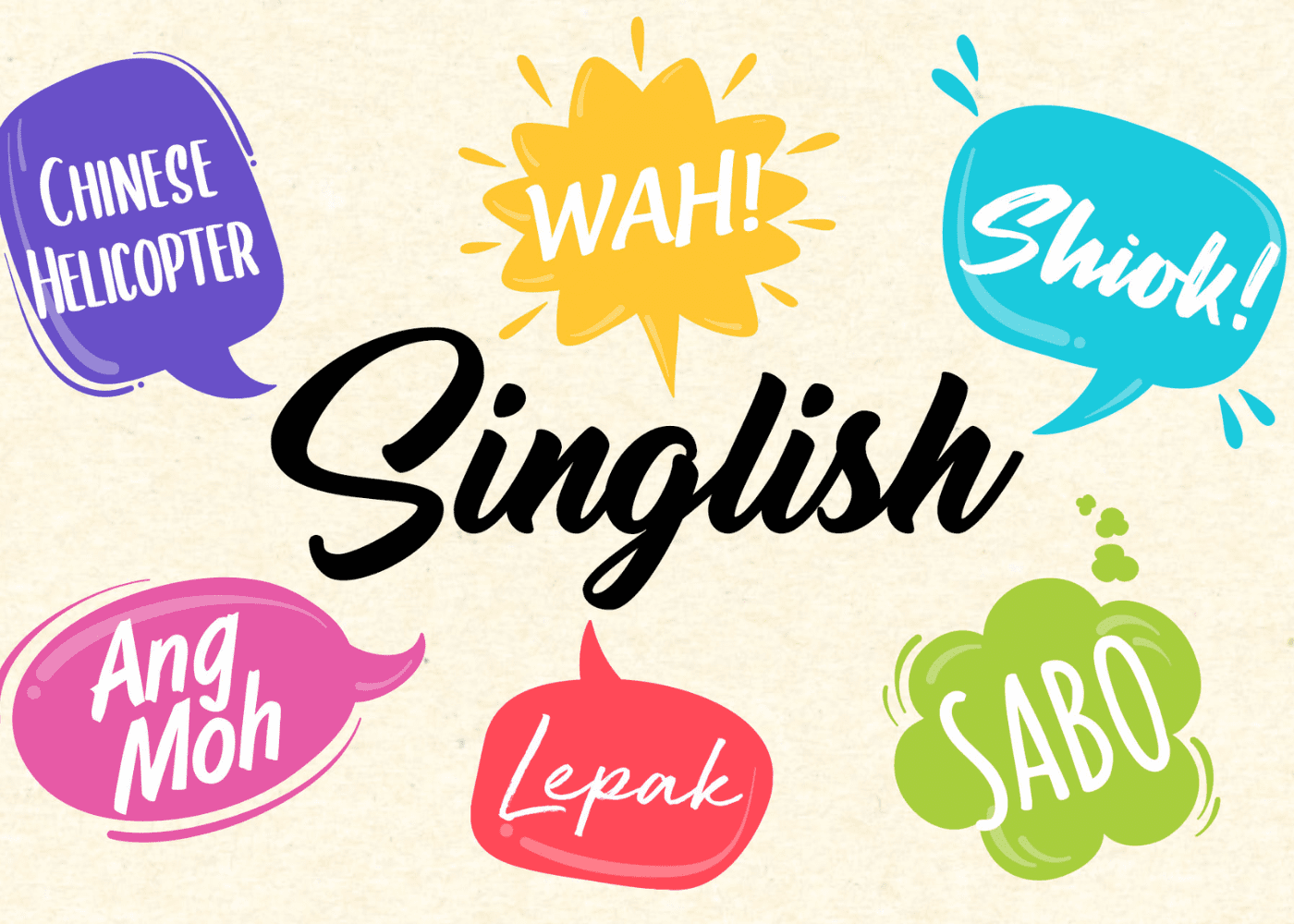
Linguists call it Singapore Colloquial English, but we think it’s fun! Since the 1970s, Singlish has sparked plenty of debate. The government isn’t its biggest fan, urging folks to stick to standard English to keep communication smooth with the rest of the English-speaking world. However, its familiarity among all ethnic groups makes it a shared language of expression and a means to foster a sense of community (Kalaivanan et al., 2021). It really transcends barriers and brings us together as Singaporeans; what’s not to love?
Here’s a little primer into some Singlish words and phrases you die-die-must-know!
10 Essential Singlish words and phrases you need to know
1. Because it’s liddat (Because it’s like that)
A popular alternative to ‘I don’t know’ as an answer to tough ‘why’ questions. “Liddat”, according to the Singlish Dictionary, is just defined as a short form of “like that”, and used as a short form usually in texts or online platforms.
Example use:
Q: “Why is that building shaped like a durian?”
A: “Because it’s liddat!”
2. ‘Cher

No, we’re not talking about Cher, the goddess of pop. According to the Singlish Dictionary, “cher” is actually the short form of teacher. It’s usually used affectionately too, so teachers can be proud if their students call you that – it means they like you!
Example sentence: “Cher! May I got to the toilet, please?”
3. GG (Good Game)
Dictionary.com states how “GG” or “good game” originates from the online gaming scene, where players would type it to each other at the end of a match as a gesture of good sportsmanship. However, as the Singlish Dictionary explains, it has been adopted colloquially and used sarcastically to indicate that a situation is not looking good.
Example:
“My teacher just gave us extra homework this weekend; I can’t go for the outing.”
“GG, man.”
or
“Wah I was so close to winning 4D, one digit off!”
“GG, man”
4. Play cheat
According to A Dictionary of Singlish and Singapore English by Jack Lee, play cheat just means to do something to gain an advantage or simply to cheat.
Example:
“Did you hear about Canada’s Olympic spying scandal? Gold medallist, but also must play cheat, meh?”
5. Mugging
As InSingapura shares, to “mug” or “mugging” is defined as studying really hard. Not to be confused with the other meaning, which originates from America, that refers to robbing someone.
Example:
“My boy spent the whole night mugging for the final ‘O’ Level paper.”
6. Chiong

According to InSingapura “Chiong” is derived from the Hokkien word “衝/冲” which means to rush or to charge at.
Example:
“Gosh, we need to chiong to meet this deadline!”
7. Pon (short for Ponteng)
As the Singlish Dictionary states, “ponteng” is actually a Malay word that means to skip an event and be truant. “Pon” is just a short form of “ponteng”.
Example:
“Are you going to pon the meeting at 5pm?”
8. Steady
“Steady” has a few meanings in the Singlish Dictionary. It can be used when referring to someone who’s attached, in agreement with someone over an appointment, or to describe someone who’s reliable and capable
Examples:
Someone who’s attached:
“Eh I heard John and Jane steady already!”
In agreement over an appointment:
Q: “Want to play video games at my house?”
A: “Steady!”
Describe someone who’s reliable and capable:
“That John fella very steady leh, he settle everything so fast!”
9. Chope
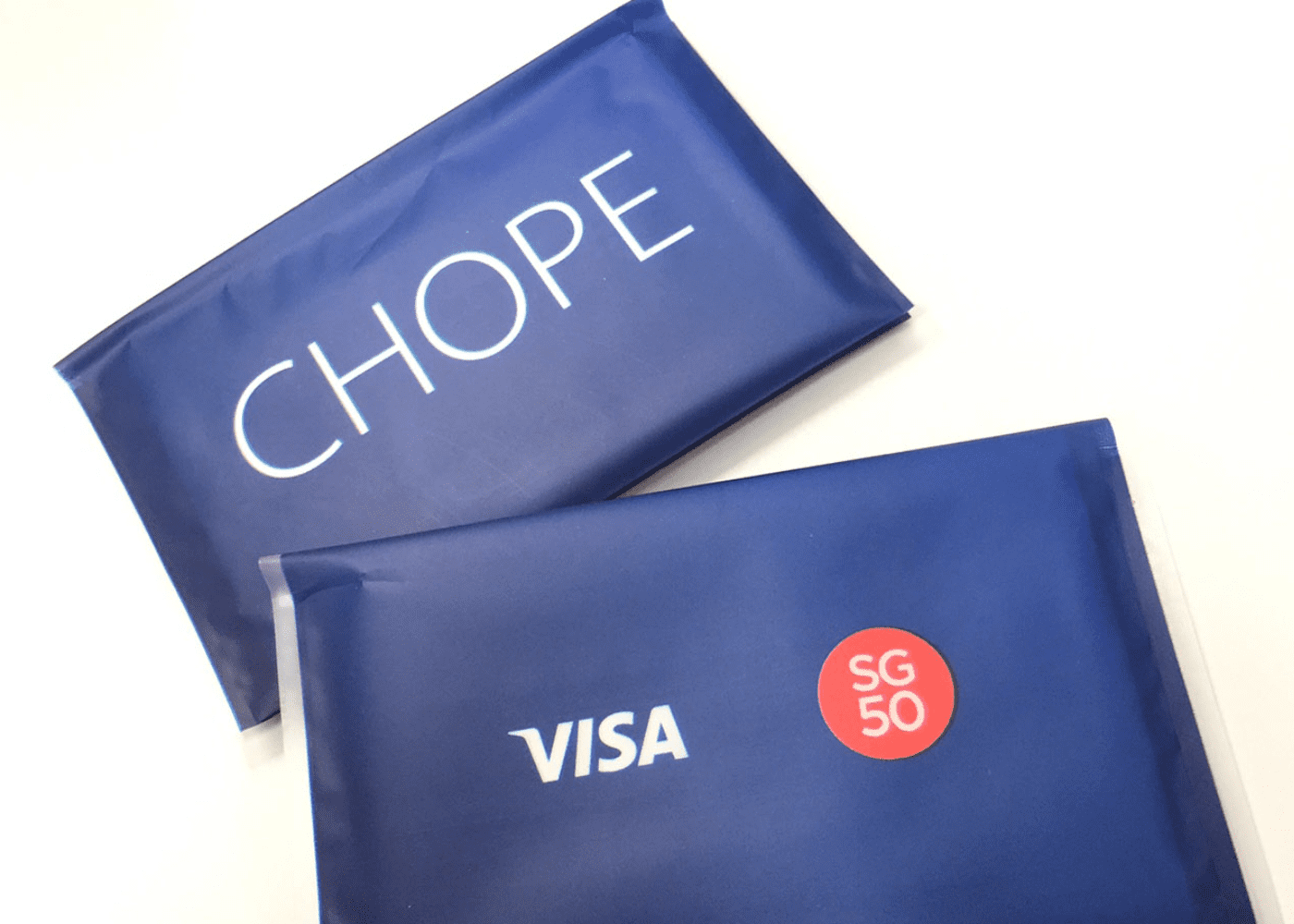
As the Singlish Dictionary states, “chope” is commonly used to mean reserving or saving a seat or spot. People commonly use a packet of tissues as a sign that they have “choped” a seat or table if they don’t have someone to watch the spot for them.
Example:
“I need to run an errand. Can you chope a spot next you during lunch?
10. Shiok

“Shiok” is another Malay word that has been adopted into the Singlish vocabulary! As the Singlish Dictionary states, “shiok” is commonly used as an exclamation of delight, usually used when eating something that’s delicious.
Example:
“Man, this chilli crab is shiok!”
Can you think of more Singlish phrases? Share them with us at hello@honeykidsasia.com
This article was originally written by Sheralyn Loh in 2017 and updated by Raiz Redwan in 2025.