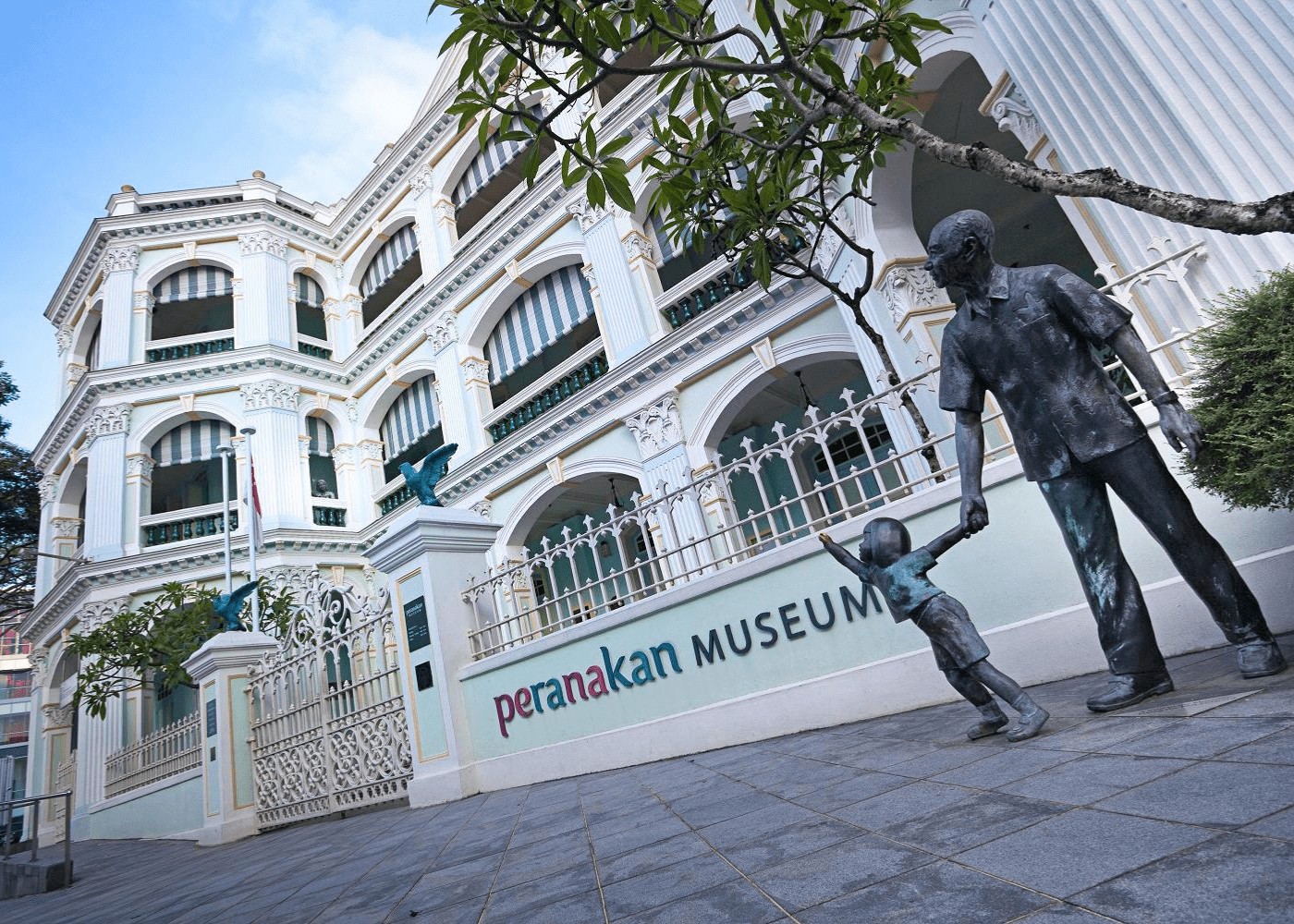
Curious about Peranakan culture? You and the kiddos will want to visit the Peranakan Museum to find out more! Check out this family-friendly guide to the Peranakan Museum.
Looking for a cultural adventure the whole family will love? The Peranakan Museum Singapore is the perfect place to start! Tucked in the heart of the city on Armenian Street, this vibrant museum brings Peranakan culture to life through a colourful mix of history, art, fashion, food traditions and fascinating artefacts that both kids and adults can enjoy.
From intricate beadwork and elaborate wedding jewellery to family heirlooms, interactive displays and kid-friendly activity trails, there is plenty to discover across the museum’s nine galleries. Here’s everything families need to know, including Peranakan Museum ticket prices, opening hours, guided tours, exhibitions and what to see with the kids.
Peranakan Museum Singapore at a glance
- What is Peranakan culture? – A quick introduction before your visit
- Tickets and opening hours – Admission prices, location and getting there
- What to see at the Peranakan Museum – Nine galleries spread across three floors
- Peranakan art, fashion and jewellery – Best for admiring intricate craftsmanship
- Peranakan food culture – Best for curious young foodies
- Guided museum tours – Best for hearing the stories behind the collection
- Family workshops and programmes – Best for hands-on cultural activities
- Special exhibitions and events – Best for returning visitors
- Kid-friendly museum activities – Activity trails, object hunts, audio stories and colouring sheets
- More ways to discover Peranakan culture – Tours, restaurants, books and recipes
What is Peranakan culture?

Before we explore the museum’s offerings, let’s define “Peranakan”. Think of Peranakan culture as a cultural mash-up that developed over generations in Southeast Asia’s busy port cities. The word “Peranakan” comes from the Malay and Indonesian word anak, meaning “child”, and can be understood as “locally born” or “born here”.
The term describes various locally rooted communities with traditions shaped by interactions between different cultures. These include Chinese Peranakans, Chitty Melaka or Peranakan Indians, Jawi Peranakans and other communities across Southeast Asia.
Singapore’s best-known Peranakan community is the Chinese Peranakan community, whose traditions combine influences from Chinese, Malay, Indonesian and European cultures. Women are traditionally known as Nyonyas, while men are known as Babas.
In Singapore, you can see Peranakan influences everywhere without even realising it! Walk through Katong and Joo Chiat, and you’ll spot beautiful shophouses painted in vibrant pastel colours, with intricate tiles and ornate designs.
And if you’re a fan of food – who isn’t? – Peranakan cuisine, also known as Nyonya cuisine, combines cooking traditions and ingredients from across the region. Think spicy and aromatic dishes such as laksa and ayam buah keluak, or colourful bite-sized kueh that pop up in bakeries and markets all over town.
From the food we eat and the streets we walk along to traditional jewellery, textiles and ceramics, Peranakan culture is woven into Singapore’s everyday life in vibrant and beautiful ways. The Peranakan Museum captures these diverse stories through its displays, multimedia presentations and intricate artefacts.
Peranakan Museum ticket prices and opening hours

The Peranakan Museum is centrally located at 39 Armenian Street, Singapore 179941. It is within walking distance of City Hall, Bras Basah and Bencoolen MRT stations, making it an easy addition to a family day out in Singapore’s Civic District.
The museum is open from 10am to 7pm daily, with extended opening hours until 9pm on Fridays. Admission to the galleries ends 30 minutes before closing, so don’t leave your visit too late!
Admission to the permanent galleries is free for Singapore citizens and Permanent Residents. General admission for international visitors is $12 for adults and $8 for concession holders, while children aged six and below enter free. Separate charges may apply to ticketed special exhibitions.
The museum is stroller- and wheelchair-accessible, and baby-changing facilities are available. Families may wish to allow around one-and-a-half to two hours to explore, especially if you plan to follow an activity trail or join a guided tour.
Where: 39 Armenian Street, Singapore 179941
When: 10am–7pm daily; 10am–9pm on Fridays. Last admission is 30 minutes before closing.
How much: Permanent galleries are free for Singapore citizens and Permanent Residents. International visitors: $12 per adult and $8 for concession holders; free for children aged six and below. Additional charges may apply to special exhibitions.
What to see at the Peranakan Museum

From the moment you step inside the Peranakan Museum, you’ll be greeted by a vibrant and engaging space filled with fascinating stories, eye-catching displays and details that invite a closer look.
The permanent collection features more than 800 objects across nine galleries and three floors. These range from newly acquired and generously donated objects to well-loved artefacts and set pieces.
The museum explores Peranakan identity through three broad themes: “Origins”, “Home” and “Style”. Start on Level 1 to learn where different Peranakan communities came from, continue to Level 2 to discover family and community life, then head to Level 3 for a closer look at fashion and decorative arts.
Here are some of the highlights to look out for.
1. Beautiful Peranakan art, fashion and jewellery

The museum showcases an impressive collection of intricate beadwork, elaborate textiles and exquisite jewellery. These artefacts reflect the blend of influences that has shaped Peranakan culture over generations.
Keep an eye out for the wedding-related displays, including traditional clothing, jewellery and beautifully designed accessories. The tiny beads, detailed embroidery and sparkling pieces make great conversation starters with curious kids. Challenge them to choose their favourite design or spot recurring flowers, birds and other motifs.
2. Peranakan food culture

Food is a big part of Peranakan culture, and the galleries explore how cuisine brings families and communities together. Visitors can learn about traditional ingredients, recipes, dining customs and the work that once went into preparing an elaborate family feast.
You’ll also see beautifully crafted ceramics and traditional dining ware that bring the Peranakan dining experience to life. Although there isn’t a restaurant inside the museum, you might be inspired to try some Nyonya delights at a nearby Peranakan restaurant after your visit.
3. Guided tours at the Peranakan Museum

Want to hear the stories behind the objects? The museum offers public guided tours led by volunteer docents.
Tours generally last around 45 to 60 minutes and provide a helpful introduction to the permanent galleries. Languages and tour times vary, so check the latest schedule before visiting. Visitors can register for public tours at the Visitor Services counter, subject to availability.
The tours are designed for a general audience rather than specifically for young children, but older kids and teens who enjoy history, culture, fashion or design may find the stories particularly interesting.
4. Cultural workshops and family programmes

Throughout the year, the Peranakan Museum hosts hands-on workshops, performances, storytelling sessions, talks and community programmes. Activities may include craft-making, demonstrations and opportunities to meet people who continue to practise Peranakan traditions today.
The schedule changes throughout the year, and some activities require advance registration or an additional fee. Check the museum’s programme calendar before your visit to see what’s on.
5. Special exhibitions and events

The Peranakan Museum holds special exhibitions from time to time, bringing together art and artefacts that deepen our understanding of Peranakan culture and its connections with communities across Asia.
Previous exhibitions have explored subjects such as Nyonya needlework, photography, influential Peranakans and the symbolism of peacocks across different cultures. These temporary exhibitions have limited runs and may require a separate ticket.
As of September 2026, the museum has not announced a new special exhibition following the conclusion of Peacock Power: Beauty and Symbolism Across Cultures on 30 August 2026. However, the museum’s permanent galleries remain open as usual. Check the official exhibitions page for the latest announcement before you go.
One of the best ways to immerse yourself in Peranakan culture is to join the fun when the museum takes its programmes outdoors. Armenian Street, just outside the museum, has hosted street parties, cultural performances, food stalls and festival activities.
The museum also participates in selected editions of the Singapore Night Festival, when the surrounding Bras Basah.Bugis precinct comes alive after dark. Dates and activities change each year, so keep an eye on the museum’s programme calendar.
Is the Peranakan Museum kid-friendly?

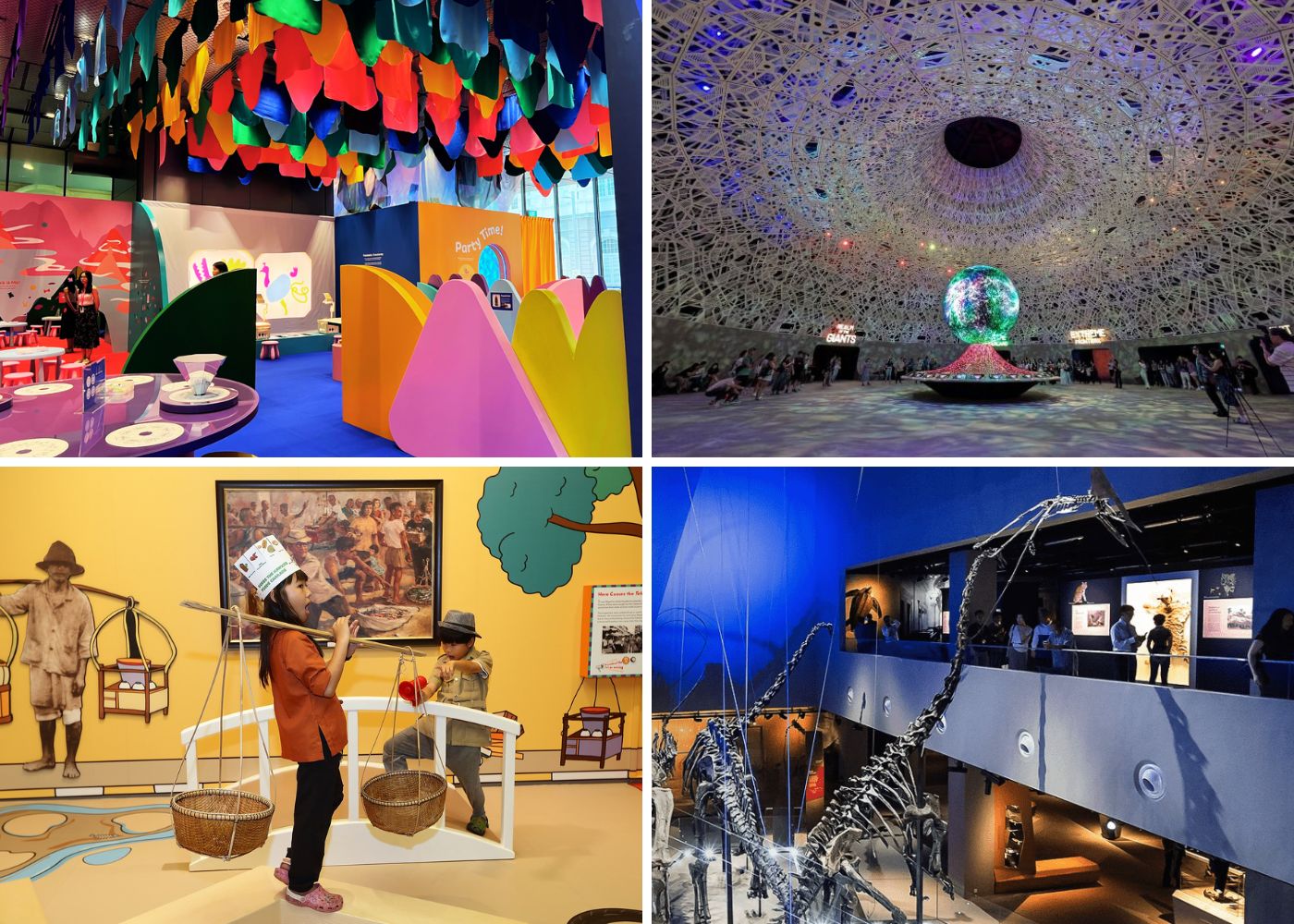
Although it might not be quite as child-focused as the Children’s Museum Singapore or ArtScience Museum, there are plenty of family-friendly resources to help bring the galleries to life for younger visitors.
Before you go, browse the museum’s education and learning resources. You can download activities for your museum visit or continue learning about Peranakan culture at home.
Here are our top picks for families:
1. Follow the Anak Anak Labels and Activity Trail
Look out for the specially written Anak Anak labels and activity trail throughout the galleries. “Anak Anak” means “children” in Baba Malay, so these labels have been created especially for younger museum visitors.
Each label contains questions and prompts that encourage kids to look closely at the objects and share what they notice. You can also download the accompanying activity trail booklet to guide your family through the museum.
2. Turn your visit into an object hunt
Print the museum’s Object Hunt Cards before your visit and challenge the kiddos to track down exciting objects hidden throughout the galleries.
The two printable activity cards are suitable for children aged four and above. They’re an easy way to keep younger kids engaged while the grown-ups take a closer look at the museum’s collection.
3. Listen to the Anak Anak Storytelling Guide
Prefer to listen while you explore? The free Anak Anak Storytelling Guide brings three museum objects to life through audio stories filled with warmth, wonder and imagination.
Look out for a magical ang ku kueh mould, a playful beaded lion and an object connected to a child’s first birthday celebration. Scan the QR codes beside the special objects to hear the stories, or listen to them online from home.
The storytelling guide is suitable for children aged four and above, and headphones are available to borrow from the Visitor Services counter.
4. Get creative with Peranakan colouring sheets
Continue the fun at home with the museum’s free A Season for Celebration colouring sheets.
The printables are inspired by a mural previously displayed at the museum’s Exploration Zone and feature colourful Peranakan motifs for children to spot and complete. They’re perfect for a quiet post-museum activity – or for getting little ones excited before the visit.
The permanent galleries contain many delicate artefacts, so these trails, stories and printable activities are handy ways to keep children involved without touching the displays. The building is also stroller-accessible, lifts connect the gallery floors, and baby-changing facilities are available.
Top tips for discovering Peranakan culture with your children in Singapore
1. Take a tour to discover Peranakan history
Want to explore more about Peranakan culture? Check out this dedicated Joo Chiat and Katong guide – the area has heaps of Peranakan history to uncover.
You can also take a self-guided family tour around the neighbourhood. KiddoTrip offers a Joo Chiat audio tour accompanied by an activity book for children.
The tour includes a scavenger hunt, spot-the-difference games and other activities. It is designed for children aged four to ten and covers a route of almost two kilometres, taking approximately two hours. Check availability and booking details directly with the tour operator before setting off.
2. Eat out with the family at a Peranakan restaurant
Or how about checking out a Peranakan restaurant? Family-friendly recommendations include Guan Hoe Soon at 200 Joo Chiat Road and True Blue Cuisine at 47/49 Armenian Street, just a short walk from the museum.
Psst, some Peranakan dishes can be spicy, so check with the restaurant before ordering for younger children.
Heading out without the kids? Book a table at Candlenut at 17A Dempsey Road for a special meal featuring contemporary Peranakan cuisine.
3. Read up on Peranakan culture
We love choosing bedtime books that help little ones learn a new thing or two. How about a story inspired by Peranakan culture?
Our little ones are fans of There Was a Peranakan Woman Who Lived in a Shoe, a playful take on a familiar nursery rhyme.
Kiddos can also learn about Hang Li Po in Hang Li Po: The Tale of the First Peranakan, or discover traditional cuisine through Beverly and the Peranakan Feast.
For older children and adults, binge-watch The Little Nyonya, a local drama filled with family secrets, Peranakan traditions and plenty of intrigue.
4. Whip up a Peranakan feast for the family

How about cooking traditional Peranakan food with the family? If you’re looking to make Asian pastry staples, tuck into The Way of Kueh for delightful recipes and stories behind traditional treats.
Learn about old-school family recipes in the illustrated memoir and cookbook Agak-Agak, Chukop Rasa: Recipes and Stories from My Peranakan Childhood.
You can also discover recipes from the Chitty Melaka community in Heritage Food of the Peranakan Indians in a Chitty Melaka Kitchen.
Enjoy exploring all things Peranakan!