Singapore parents, here's how to plan a family holiday everyone enjoys — kids included, sanity intact.
Let’s be honest for a second. We spend weeks researching kid-friendly hotels, packing the perfect carry-on, downloading offline movies, and hunting down the best children’s menu in a city we’ve never been to, all so the kids can have an amazing trip. And then we land, jet-lagged and somehow already depleted, wondering why we don’t feel as excited as we thought we would. Here’s something I’ve learned as a mom of three boys and a nutritionist: if you’re running on empty, the whole family feels it. Kids are incredibly attuned to our nervous systems. When we’re overwhelmed, anxious, or burnt out, it radiates, no matter how cheerfully we’re pointing at the pool. The best thing you can do for a happy family holiday is take care of yourself, too. So this is a travel guide for the whole family, starting with you.
Before You Even Pack a Bag: Set Yourself Up
Sleep before you fly. I know, easier said than done with the pre-trip chaos. But even one or two nights of decent sleep before a long-haul flight makes a significant difference to how your body handles time zone changes, stress, and the inevitable toddler meltdown at 30,000 feet.
Don’t skip meals the day of travel. When we’re rushing, we tend to graze or forget to eat altogether, then arrive ravenous and reactive. Eat a proper, balanced meal before you head to the airport. Your blood sugar will thank you, and so will your kids.
Prep your carry-on like it’s your wellness kit. Magnesium (great for sleep and stress), electrolytes for the dehydrating cabin air, a good moisturiser, and noise-canceling headphones if you have them. Trust me when I say that these are not luxuries, they’re sanity tools.
Snacks: The unsung heroes of family travel
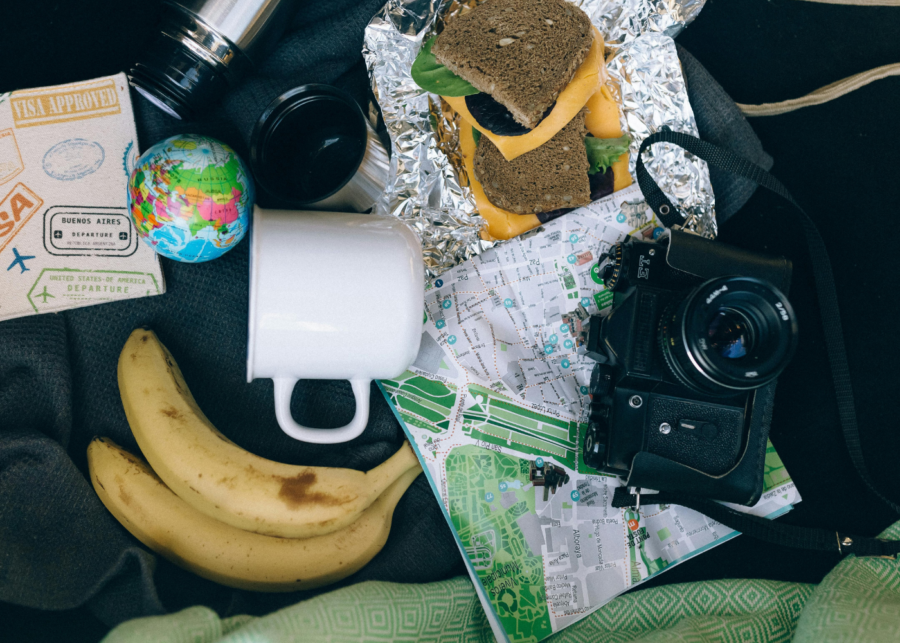
Good snacks are not about being “healthy” on holiday. They’re about keeping everyone’s blood sugar stable so nobody, not even you, is melting down at baggage claim. The goal is snacks that are satisfying, easy to pack, and don’t require refrigeration. Think protein + fat + a little fibre. That combination keeps energy steady and hunger at bay far longer than a bag of crackers or a sugar-heavy granola bar.
Here’s what I pack for our family:
Everiday Foods Cookies (Chocolate Chip or Oatmeal Raisin): These are staples in our travel bag. Made with real, clean ingredients, no seed oils, no gluten, no nasties, they hold up well in a bag and genuinely taste like a treat. The kids love them; I love that I actually feel good about handing them over. They’re also individually wrapped, which makes distribution at 35,000 feet beautifully drama-free.
Nuts and nut butter packets: Almonds, cashews, or individual almond butter packets pair perfectly with the granola or a banana grabbed from the lounge. High protein, high fat, super satiating.
Fresh fruit: Simple, hydrating, and kids rarely say no. Bananas, grapes, and apples travel well.
Freeze-dried fruit: A great alternative to fresh when you’re trying to keep things light and mess-free. Kids tend to love the crunch, and it counts as real fruit. Mango, strawberry, and apple are usually crowd-pleasers.
Protein bars: Look for ones with minimal added sugar and a short ingredient list. RX Bars are a go-to in our bag, made with egg whites, nuts, and dates, nothing hidden, nothing weird. They’re filling enough to tide everyone over between meals and sturdy enough to survive an overpacked carry-on.
Jerky or meat sticks: Underrated travel snack. A good-quality jerky (look for ones without added nitrates or seed oils) is protein-dense, portable, and surprisingly satisfying. Great for older kids and adults who need something more substantial between meals.
Roasted edamame: Crunchy, high in plant protein, and endlessly snackable. These are especially handy for long layovers or afternoon slumps when everyone needs something to munch, but you don’t want to derail appetites before dinner.
For the flight specifically: avoid alcohol and sugary drinks. I know the little wine bottle feels like a reward after the check-in line. But alcohol dehydrates you and disrupts sleep quality at altitude, two things you really can’t afford when you’re the one in charge of navigating a new city the next morning. Opt for water and electrolytes instead.
Managing jet lag (yours and theirs)
This is where I see most travel plans fall apart. Jet lag doesn’t just make you tired, it makes you irritable, foggy, and emotionally flat. And kids are no different.
Get outside in natural light as soon as you arrive. Light is the most powerful signal your circadian rhythm has. Even a 20-minute walk outside can help anchor your body clock to local time.
Eat according to local meal times from day one. Your gut is deeply connected to your circadian rhythm (it has its own internal clock). Eating at local times helps reset your system faster than most people realize.
Prioritize sleep over sightseeing on day one. I know you want to see everything. But one early night at the start of a trip can save the rest of it. An overtired family is not a fun family.
Magnesium glycinate before bed helps with sleep quality, especially when you’re in an unfamiliar environment, and your nervous system is still “on.” It’s one of the few supplements I consistently travel with.
Managing your own energy (It’s not selfish!)
This is the part that often gets skipped in family travel advice, and I think it’s the most important. You are the emotional anchor of your trip. Your stress becomes their stress. Your depletion becomes theirs. This isn’t guilt, it’s biology.
Build recovery time into your schedule. Not every moment needs to be an activity. A slow morning, an afternoon by the pool, or time for everyone to read and do their own thing is not wasted time. It’s what makes the rest of the trip possible.
Step away when you need to. Even five minutes alone, a short walk, a quiet coffee, can reset your nervous system. Ask your partner to hold the fort, or use the kids’ rest time intentionally.
Stay hydrated. This sounds so basic, but dehydration is one of the most common causes of fatigue, headaches, and irritability on holiday. Keep a water bottle with you and sip consistently, especially in hot climates.
Notice what you need. Are you over-stimulated and craving quiet? Are you depleted and need a real meal? The more you tune into your own needs, the better you can meet everyone else’s.
What’s In My Travel Medicine Kit (Not Medical Advice. Just What I Do)
Please note: I’m a nutritionist, not a doctor. This is purely what I personally pack for our family, always check with your own physician, especially for children’s medications and dosages.
That said, one of the most stressful things that can happen on a family trip is someone getting sick at 11 pm in an unfamiliar city where you don’t speak the language and the nearest pharmacy is a 40-minute taxi ride away. Being prepared doesn’t mean being anxious, it just means you can handle the small stuff without it derailing the whole trip.
Here’s what’s always in my bag:
For fever and pain: I carry both paracetamol (Panadol) and ibuprofen for adults and age-appropriate versions for the kids. They work differently, and having both gives you options. I always bring more than I think I’ll need.
For tummy trouble: Travelers’ diarrhea is real, and it does not care that you’ve planned a full day of sightseeing. I pack electrolyte sachets; these are genuinely lifesaving when someone’s losing fluids fast, especially kids. I also bring probiotics and activated charcoal capsules for general digestive upset.
For nausea and motion sickness: With three boys and a lot of winding roads, this is non-negotiable. I keep motion sickness bands for the kids plus a medication option as backup. Ginger chews also genuinely help with mild nausea, and the kids will actually take them.
For cuts, bites, and minor injuries: A small wound care kit: antiseptic spray or wipes, and a few different bandage sizes. Kids and adventures go together, and not always gracefully.
For allergic reactions: If anyone in your family has a known allergy, make sure antihistamines are easily accessible, not buried at the bottom of a checked bag.
For sleep support: Melatonin (low dose) for jet lag, especially helpful for kids struggling to adjust. I use magnesium glycinate myself, and it’s also gentle enough for older children, but again, check with your doctor for your kids specifically.
One thing I always do: before any international trip, I spend five minutes looking up the local equivalent names for our go-to medications. Paracetamol is Tylenol in the US, Panadol in Singapore, and Doliprane in France. Knowing this means you’re not standing in a foreign pharmacy completely lost. A quick Google before you go saves a lot of stress later.
Kids and travel stress
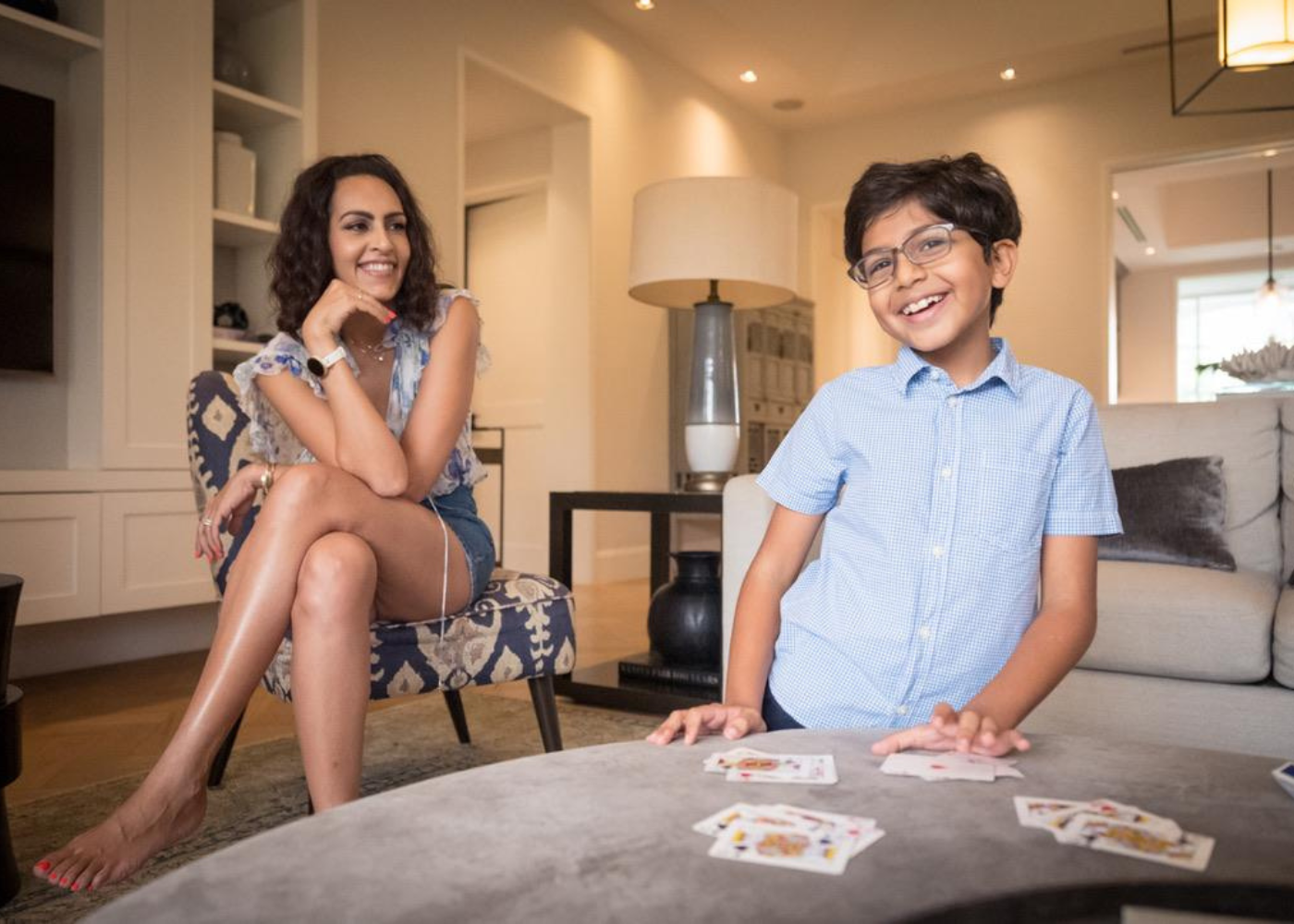
Kids thrive on predictability, and travel disrupts routine. A few things that help: bring one or two familiar comfort items (a stuffed animal, a favourite snack, a playlist they love), keep bedtime rituals as consistent as possible, and give them a sense of what’s coming each day. You don’t need a rigid itinerary, just a gentle preview. “Tomorrow we’re going to the beach, then we’ll find some ice cream,” goes a long way.
And when things go sideways, because they will, try to stay regulated yourself first. Kids co-regulate with us. A calm parent is the most powerful travel tool you have.
Family holidays are supposed to be joyful. And they can be, if we stop treating our own wellbeing as the last thing on the packing list. Remember: a happy, rested parent makes for a happy, rested trip.
Wishing you smooth flights, great food, and at least one morning where everyone sleeps in.
Riyana is a holistic nutritionist and the founder of Everiday Foods, a Singapore-based clean-ingredient food brand. Everiday products are seed-oil-free, gluten-free, vegan, and made with real ingredients, because good food should be good for you. Find them at everidayfoods.com.