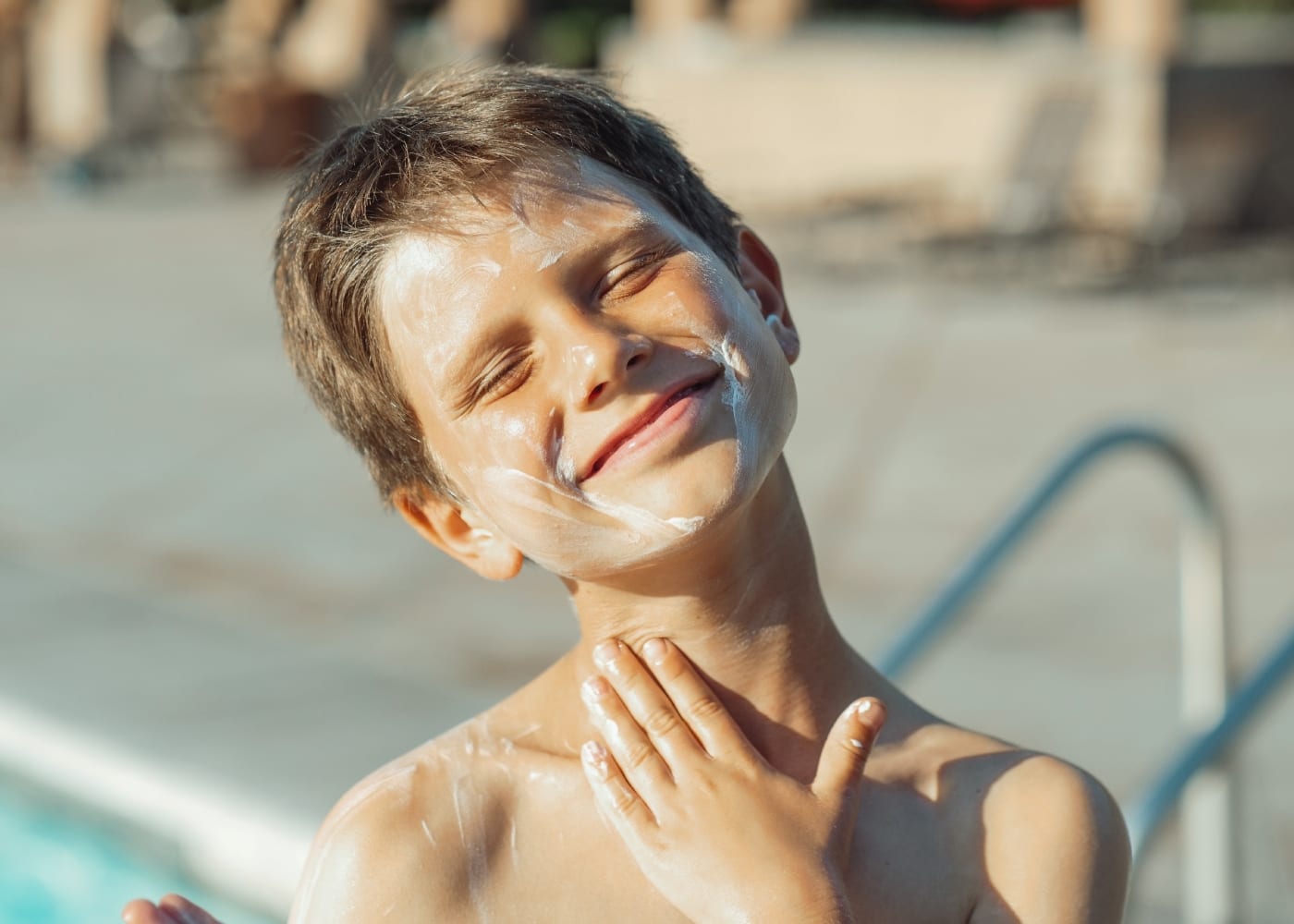
What’s the deal with sunscreen, sunblocks and SPF? We’ve got the lowdown on how to protect yourself and the kids when having fun in the sun!
In scorching Singapore, where this year has brought some of the hottest days on record, sun protection is a must during outdoor fun — whether it’s splashing in the pool, enjoying water play areas, or having a picnic with sundowners. Heading to the beach? Slap on the sunscreen to keep your family protected.
With so many sun protection options, it can be tricky to choose sunscreen or sunblock. Physical or chemical? Safe for babies? We’ve got all the fun facts and the best kinds of sunscreen products to keep you and the kiddos sun-safe in sizzling Singapore! Plus, we share some of the best brands to keep kiddos extra sun safe.
Quick tips on sunscreen:
- Choose trusted, tested brands—mineral, broad-spectrum, and those with independent verification or passed CHOICE testing (keep reading for more on this study below).
- Apply generously: using just a thin layer dramatically reduces effective SPF.
- Reapply often, with or without swimming.
- Use multiple defenses: shade, hats, UV swimwear, and timing outdoor play to be outside of peak UV hours.
TL;DR: Our picks for the best sunscreen for kids in Singapore
Best overall: La Roche-Posay Anthelios UVMune 400 Kids SPF50+
Great all-rounder for Singapore’s year-round sun exposure and sensitive skin.
Best mineral sunscreen: Thinkbaby SPF50+
Popular with parents looking for zinc oxide-based sun protection.
Best for swimming and holidays: Blue Lizard Sensitive Mineral SPF50+
Designed for outdoor adventures, beach days and pool time.
Best budget buy: Sunplay Kids SPF50+
Affordable, accessible and easy to replace when the whole family needs daily SPF.
Best for toddlers/babies: Mustela Very High Protection Sun Lotion SPF50+
Gentle option from a trusted baby skincare brand.
Understanding types of sun protection products in Singapore: Sunscreen, sunblock & more

There are several types of sun protection products available to keep you and the kiddos safe under the sun:
1. Sunscreens, sunblocks and suntan lotions
It probably goes without saying: avoid suntan lotions, especially for your kids. Suntan lotions usually have low SPF (Sun Protection Factor) and are oil-based, which does little to protect you from the sun.
Both sunscreens and sunblocks offer good protection. The main difference is in how they protect the skin against harmful UV rays. Sunblock literally forms a physical barrier on your skin to block out UV rays, while sunscreen absorbs the UV rays.
2. Physical/mineral vs chemical sunscreen
You may also see the words ‘physical/mineral’ and ‘chemical’ on sunblock and sunscreen packaging. Chemical sunscreens contain oxybenzone, octocrylene, avobenzone, and octinoxate, which absorb UV rays. They enter the skin, are absorbed, and are released as heat. Physical or mineral sunscreens contain gentler ingredients like titanium dioxide and zinc oxide – kid-friendly sunscreens are usually mineral sunscreens, which are known to be less irritating for those with sensitive skin.
3. Sunscreen sticks
Convenient for targeted applications, such as on the face and ears. Less messy and easy to carry, but covers a smaller surface area.
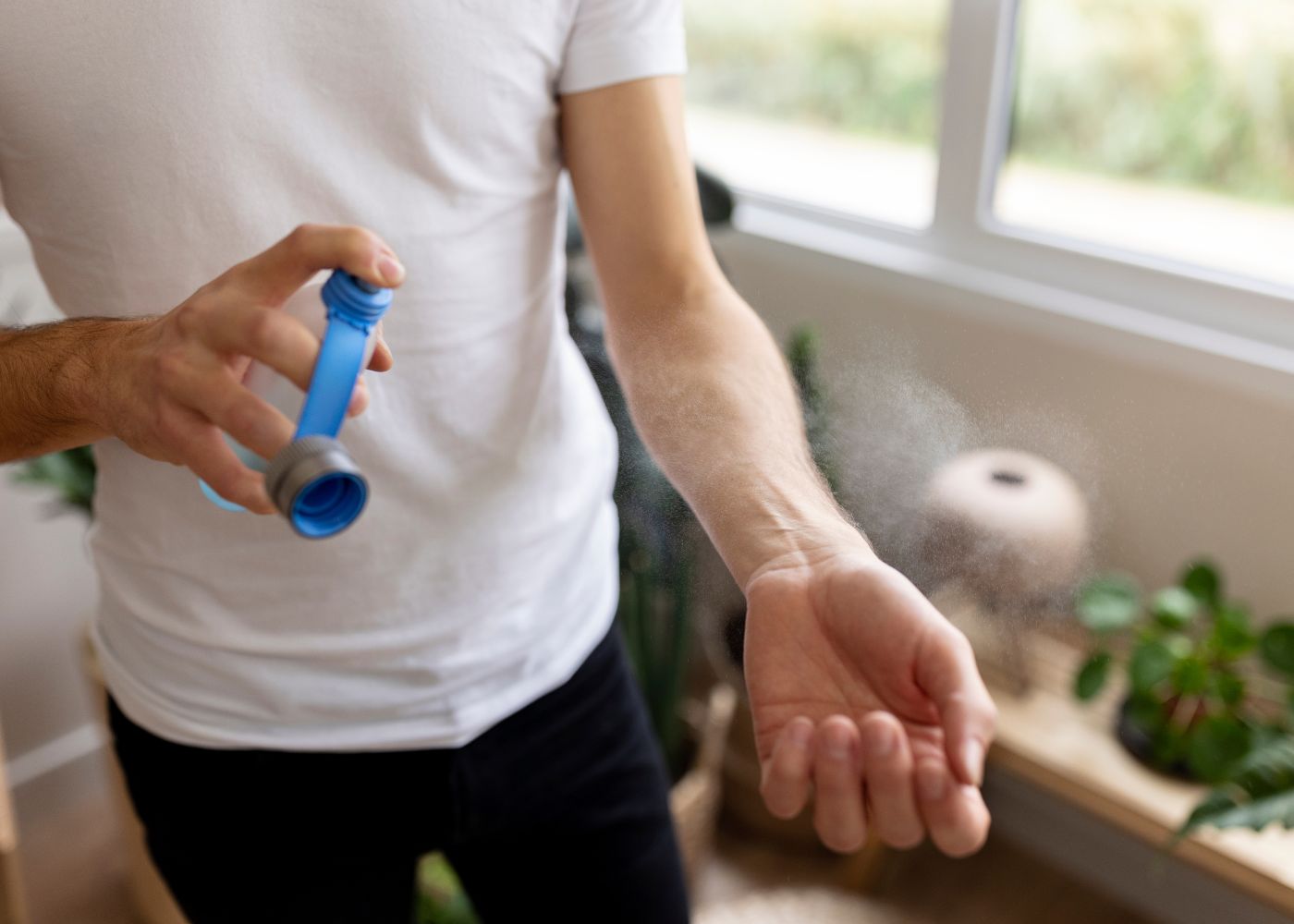
4. Sunscreen sprays
Quick and easy to apply, especially for large areas of the body. However, you will need a generous amount to ensure even coverage and may run the risk of kids inhaling the spray.
5. SPF Lip balms
Protects the delicate skin on your lips from sun damage.
NEW: The CHOICE study – are SPF claims trustworthy?
Australia is a leading nation in sun protection, due to high UV levels and prevalence of skin cancer. A June 2025 consumer investigation by CHOICE in Australia/New Zealand tested 20 popular SPF 50+ sunscreens, and a whopping 16 brands did not meet their labeled protection level. Only 4 products passed. The poorest performer, Ultra Violette Lean Screen SPF 50+, tested at just SPF 4–5, which is far below the SPF indicated on the label!

Why does this matter, and what’s happening now?
Label discrepancy can leave families underprotected, and is especially worrying when are looking to protect our kids sensitive skin. As a result of the outcomes of this study, CHOICE is urging regulators (Australia’s TGA and ACCC) to independently retest and address misleading labels. Do not ditch the sunscreen – some protection is better than no protection, but do research your chosen brand to make sure the product delivers on it’s promises and SPF levels.
Top kid-safe sunscreens (Singapore market): Best sun protection products for kids

With so many kids’ sunscreens and sunblocks available in Singapore, choosing the right one can feel overwhelming. From mineral formulas for sensitive skin to lightweight SPF50 options that can handle Singapore’s heat and humidity, these parent-approved picks make sun protection a little easier.
Best Sunscreens For Kids In Singapore: At A Glance
| Brand / Product | Best for | Key features | Approx. price | Where to buy |
|---|---|---|---|---|
| La Roche-Posay Anthelios UVMune 400 Kids SPF50+ | Sensitive skin & everyday protection | High UVA/UVB protection, lightweight texture, suitable for sensitive skin, water-resistant options available | ~$35–45 (50ml) | La Roche-Posay Singapore, Watsons, Guardian, pharmacies |
| Thinkbaby SPF50+ Sunscreen | Families looking for mineral sunscreen | Zinc oxide mineral protection, reef-conscious formula, gentle option for children | ~$25–35 (89ml) | Amazon Singapore, iHerb, online retailers |
| Blue Lizard Sensitive Mineral Sunscreen SPF50+ | Beach holidays & swimming | Mineral sunscreen, water-resistant, designed for sensitive skin, popular for outdoor activities | ~$25–35 (148ml) | Amazon Singapore, online retailers |
| Mustela Very High Protection Sun Lotion SPF50+ | Babies and young children | Created with babies’ and children’s delicate skin in mind, fragrance-free options available | ~$30–40 (40–100ml depending on product) | Watsons, Guardian, pharmacies, online retailers |
| Anessa Perfect UV Sunscreen Mild Milk SPF50+ PA++++ | Active kids & humid Singapore weather | Lightweight Japanese sunscreen, water/sweat resistant, comfortable in hot weather | ~$25–35 (60ml) | Watsons, Guardian, Shopee, Lazada |
| Babo Botanicals Baby Skin Mineral Sunscreen SPF50 | Natural/mineral sunscreen fans | Mineral zinc oxide formula, gentle ingredients, suitable for sensitive skin | ~$25–40 | iHerb, Amazon Singapore |
| Cetaphil Sun Kids Liposomal Lotion SPF50+ | Dermatologist-recommended skincare | Gentle formula, suitable for sensitive skin, moisturising finish | ~$25–35 | Watsons, Guardian, pharmacies |
| Sunplay Kids SPF50+ Sunscreen | Budget-friendly family option | Affordable SPF50 protection, easy to find in Singapore, suitable for daily use | ~$15–20 | Watsons, Guardian, Shopee, Lazada |
| Biore UV Kids Pure Milk SPF50 PA++++ | Lightweight everyday sunscreen | Non-sticky texture, suitable for humid weather, popular Japanese formula | ~$15–20 | Watsons, Guardian, supermarkets, online retailers |
1. Cancer Council Australia Kids SPF50+ Sunscreen
The Cancer Council Kids Sunscreen provides broad spectrum SPF50 protection (confirmed by the 2025 CHOICE sunscreen study). It is easy to apply, without white residue, light fragrance, non-greasy texture for daily use, suitable for all skin types, tested for four-hour water resistance, and made in Australia, approved by the Cancer Council.
2. La Roche-Posay Anthelios Dermo-Pediatrics SPF 50+ Kids Sunscreen Lotion (250ml)
This one is a broad spectrum UVA/UVB face and body sun protection for kids. Tested under dermatological and peadiatric guidance, specifically formulated using ingredients selected for children’s sensitive skin. La Roche is suitable for skin that is prone to sensitivity, sun-intolerance or prickly-heat. Its non-greasy formula glides easily over skin, leaving a translucent white film to allow even coverage before melting into the skin.
3. Aveeno Baby Zinc Oxide Sunscreen For Sensitive Skin
Keep your little one smiling in the sunshine with this tear-free, broad-spectrum SPF 50 mineral sunscreen. It is gentle as water and features a skin-soothing oat formula that locks in moisture and nourishes sensitive skin.
4. A Tapir’s Tale Baby Protect UV
This ultra-lightweight sunscreen by local skincare brand A Tapir’s Tale has a lovely runny texture that’s easy to apply on babies and kids, and comfortable to the touch. No stickiness here, with hyaluronic acid to help moisturise bub’s skin while protecting it from the sun! It’s also water-resistant and sweat-proof.
5. Babyganics Mineral Sunscreen Lotion SPF 50+
This all-mineral active ingredient formula provides broad spectrum UVA/UVB protection for kids. We love that it’s non-allergenic and tear-free, so it can go on your baby from head to toe. They also have a sunscreen spray that’s great for reapplications while you’re out and about!
6. Thinkbaby Mineral Sunscreen, SPF 30
Mineral sunscreens are your handy physical sunscreen filled with good stuff. Thinkbaby sunscreen offers natural, gentle SPF 30 protection for infants’ sensitive skin against UVA & UVB rays. It’s quick to apply, free from harmful chemicals, vegan, and water-resistant for up to 80 minutes.
Sunburn? Here’s how to help
Even with the best sun protection, sunburn can sometimes happen — especially after a long day outdoors in Singapore’s strong UV levels. The first step is to get your child out of the sun and into a cool, shaded area as soon as possible. Apply a cool compress to the affected skin or use aloe vera gel to help soothe discomfort and reduce heat from the skin. Encourage your child to drink plenty of fluids, as sun exposure can also contribute to dehydration. Keep an eye out for signs that the sunburn may be more serious, including fever, severe pain, swelling or blistering. If you’re concerned, or if your child is very young, it’s best to check with your paediatrician for advice.
– Stay out of the sun
– Apply cold compresses or aloe vera
– Monitor for fever or blistering. Consult your paediatrician if needed.
Final Takeaway
While many sunscreens may not deliver exactly what their labels claim, proper, consistent application of broad-spectrum mineral sunscreen remains critical. Combine sun protection strategies and favour brands with independently verified SPF efficacy, especially when caring for little ones and sensitive skin.
Stay safe in the sun!