When classrooms are made inclusive, no child – including those with special education needs – are left behind. We ask educators in Singapore how we can make classrooms more inclusive for our children, and how they can benefit from this approach.
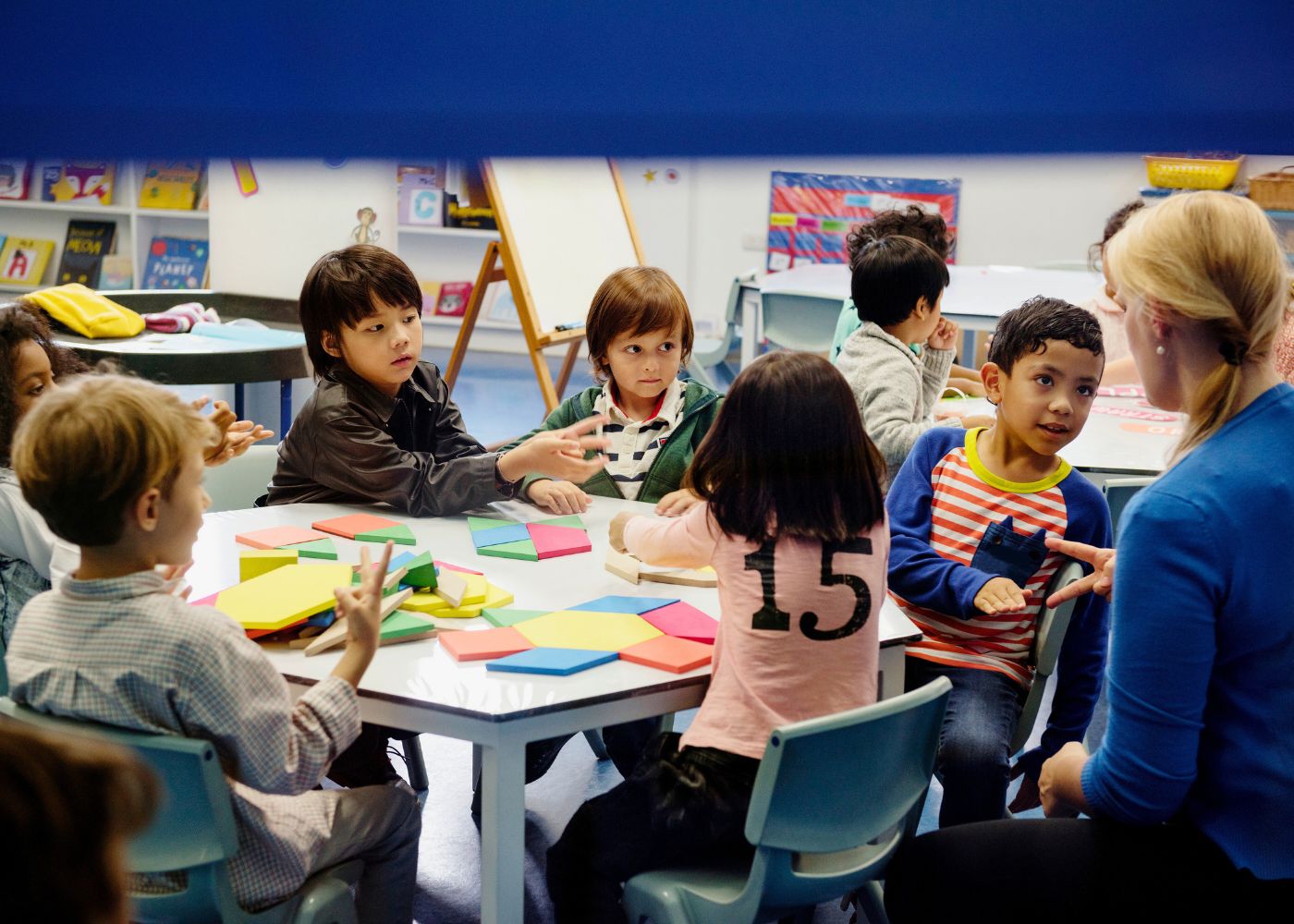
Picture this: a classroom where all children – including those with special education needs – learn alongside each other, and from each other. This is what an inclusive classroom could look like, one that provides both neurotypical and neurodiverse students access to the same educational opportunities.
However, the inclusive classroom model also has its challenges. For example, how do we ensure students with special education needs are supported and not left behind? How can we also stretch students academically so they can all reach their unique potentials Most importantly, how can we make inclusive classrooms a reality?
We pose these questions to some experienced teachers in Singapore – read on for their expert input on how we can make classrooms more inclusive for students with diverse needs.
1. The Winstedt School
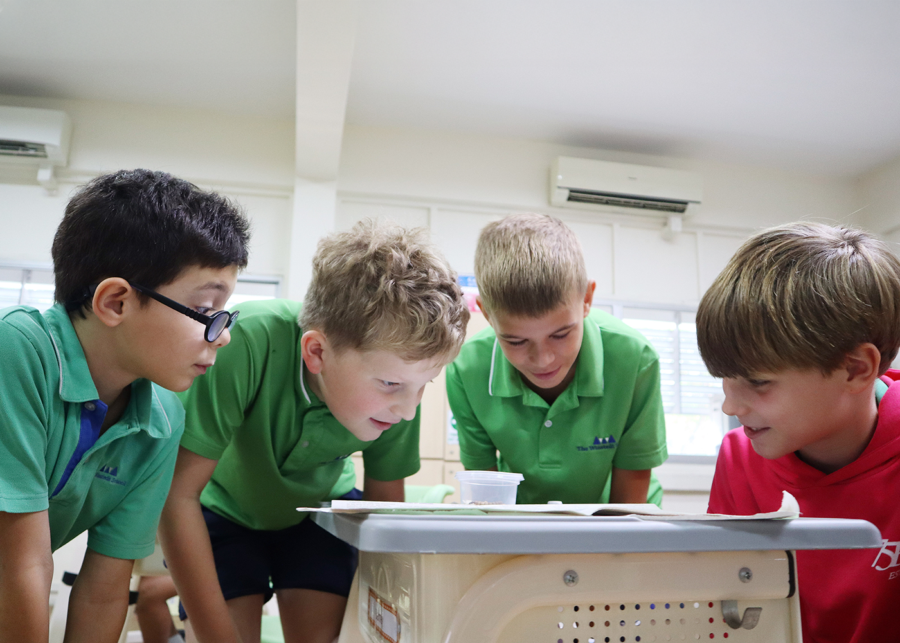
The Winstedt School firmly believes that an inclusive classroom can be beneficial for children of different learning abilities, provided that inclusion is approached with thought, intention, and appropriate support. The school explains, “Every child brings their own strengths, interests, and ways of learning. When these differences are understood and professionally supported, children thrive academically, socially, and emotionally.”
The school is testament to this, as it’s an inclusive school where children of a range of learning profiles learn alongside one another in the same classroom. For the educators at Winstedt, providing an inclusive education means providing more opportunities for all children; it’s not about compromising standards and lowering expectations. The school removes barriers and gives every child – no matter their learning needs – opportunities to succeed. To achieve this, Winstedt intentionally keeps classes small and teaching methods flexible so that children can learn in ways that make sense for them.
“An inclusive classroom means every child feels safe, supported, and challenged. A thoughtful classroom balances encouragement with stretch, close observations, professional judgment, and collaboration with specialists maintaining high expectations, while remaining responsive to individual needs,” the school shares. As such, therapy and pastoral care are also of utmost importance in the school, as it supports children in ways that are most natural and reassuring for them.
2. Overseas Family School
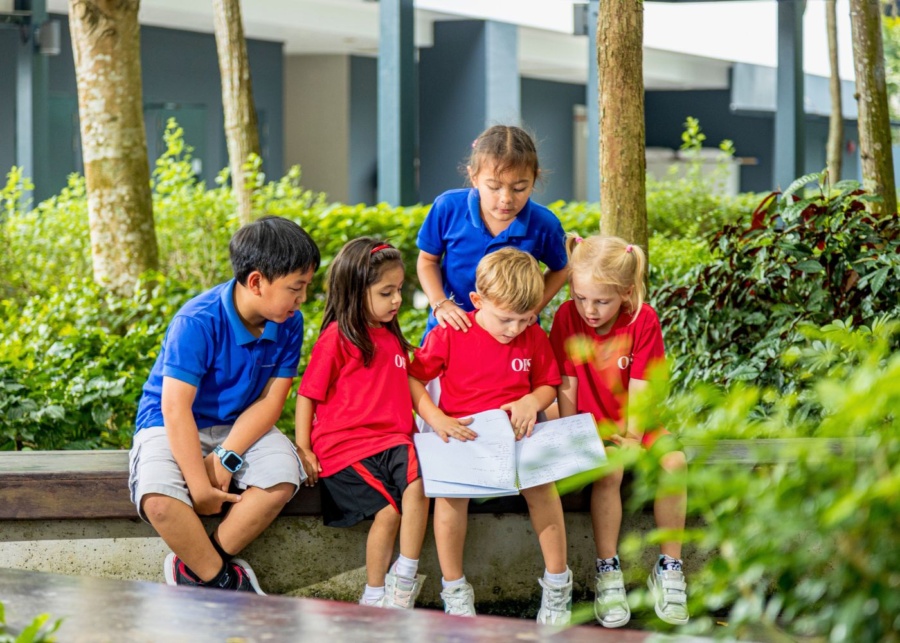
Being an inclusive school, it’s not unusual to see students of mixed abilities learn alongside each other in the same classroom at Overseas Family School (OFS). “The primary opportunity lies in fostering a rich, collaborative environment for children. You’ll see instances of peer-mentoring, where advanced students solidify their knowledge by teaching their peers; as well as opportunities for children to gain diverse perspectives, promote empathy and social growth,” the school’s Learning Support Team shared.
That being said, the team acknowledged that there are challenges in such a learning model. Teachers have to master the ability to differentiate and manage teaching pace without leaving any child behind. To make classrooms inclusive, OFS uses a multi-tiered system of support to support neurodiverse students. These students have a personalised individual learner profile that outlines specific and measurable goals that the Learning Support Team will guide them to achieve. The Learning Support Team explained, “Academically, students may receive tailored assistance within their regular classrooms from learning support assistants or learning support teachers. Families also have access to specialised occupational and speech language therapists in the school. OFS also provides dedicated counselling to help students learn effective ways to manage their emotions and behaviours.”
Making classrooms inclusive is a foundation of the educational approach that OFS practises. With appropriate assistance and support, the school believes that all children can receive a meaningful education and meet their own unique potentials.