The emotional, logistical and social reality of P1 — from the parents who have been through it
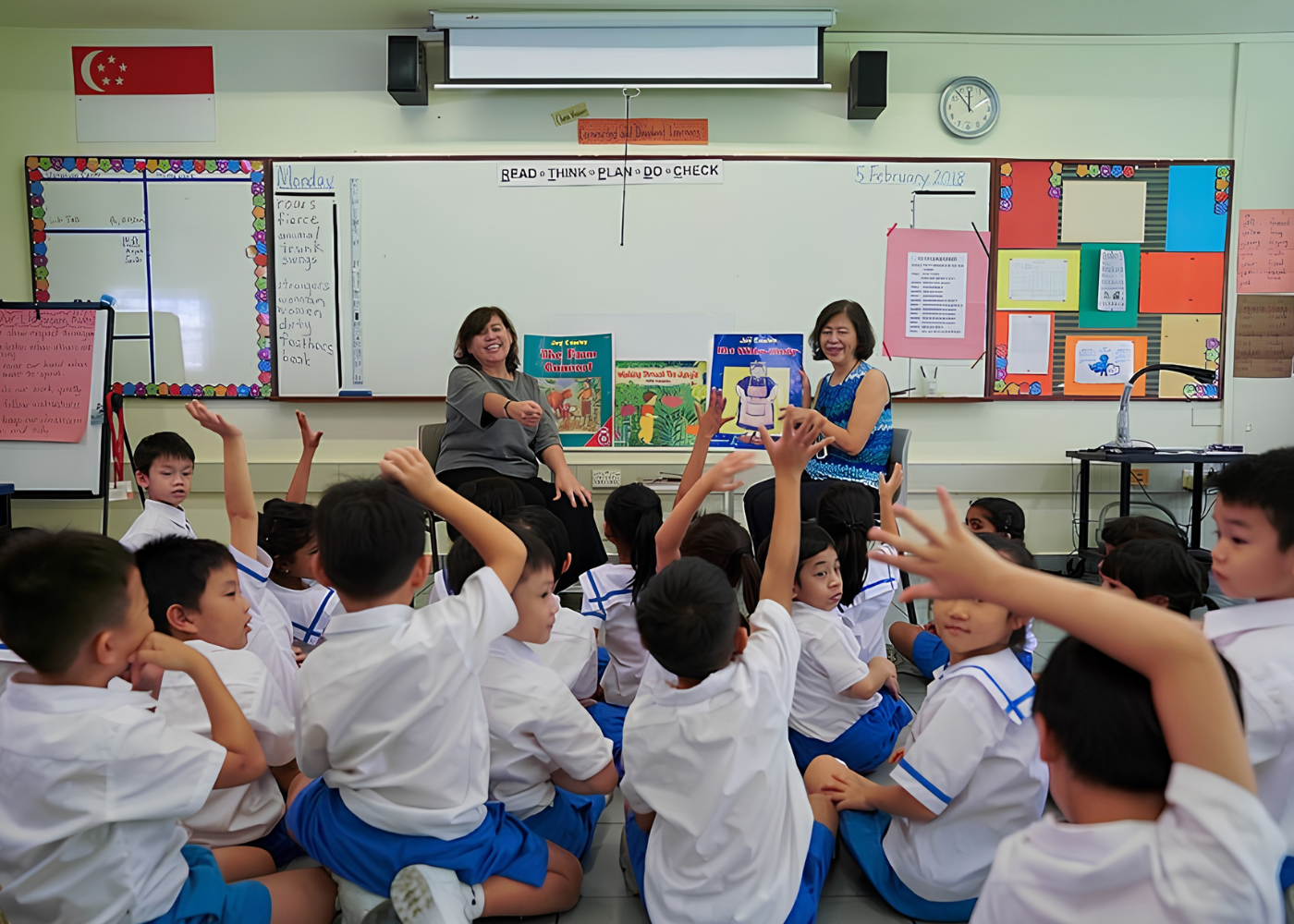
Your baby is growing up, and is about to enter Primary 1. Starting P1 in Singapore is one of the biggest transitions in a child’s early years, and one of the most emotional for parents too. You spent months researching schools, obsessing over P1 registration phases, and calculating the distance between your home and the best primary schools in a 2km radius. And then the day arrives. Your child walks through the gate in a uniform two sizes too big, and nobody warned you that you would be the one crying in the car park (we’ve all been there). From adjusting to homework and navigating new friendships to surviving the class WhatsApp group, here is what parents wish they knew before starting primary school in Singapore.
The first few weeks of Primary 1 in Singapore are harder than most parents expect

We don’t want to scare you. For the families of most kids we spoke with, they adapted to the structure of primary school within a few weeks. What we were less prepared for is the time it took for our own adjustment. The shift from kindergarten, in a class of 16 where teachers communicated daily and everything felt small and manageable, to a school of hundreds of children with a formal curriculum and a class WhatsApp group that never stops… it is a lot.
“All of a sudden, I felt like a safety net of structure and communication had been cut. I wasn’t getting daily updates and photos, and I needed to navigate a much bigger school in every sense – even the newsletter was confusing. I felt like I was missing important information and I didn’t know who to ask, and it all felt a bit overwhelming. At the same time, trying to reassure my child that change is a constant and they were doing great. I think we both felt a bit lost those first few weeks.”
Many of our P1 parents described a version of the same feeling. Read our open letter to a P1 baby for all the feels. A strange grief for the slower, gentler pace of the early years, arriving precisely when they thought they should be celebrating newfound independence. Side note for anyone who needs to hear it – this is normal, and you’re not alone!
Primary 1 homework in Singapore – what to expect, and our tips to set your child up for success

1. The amount of homework set can vary by school
Singapore primary schools vary significantly in how much homework they set in Primary 1. Some schools, particularly those following MOE’s guidelines more closely, keep it minimal in the first year. Others send home reading logs, worksheets and spelling lists from week one.
2. A consistent routine in a quiet environment is most important
The adjustment that catches most families out is not the volume, but the routine. Homework requires a consistent time and place. Establishing that habit early matters far more than any individual assignment. Pick a time that works for your child’s energy levels. For most kids, this is after a snack and some downtime, not immediately after school.
It’s better if homework can be done in a quiet space that isn’t your child’s bedroom. Think of it like a ‘work-from-home’ situation. When they close the book, they should be done with study, and their bedroom should be a place to play and rest, to calm their nervous system.
3. Let the teacher know early if it feels too difficult
If your child is struggling significantly with the workload in the first term, make sure you speak to the form teacher early. P1 is meant to be a year of adjustment, and most teachers would rather know that your child is having a hard time so they can help them build a positive attitude and habits early.
Making friends in Primary 1: Social challenges for children starting school
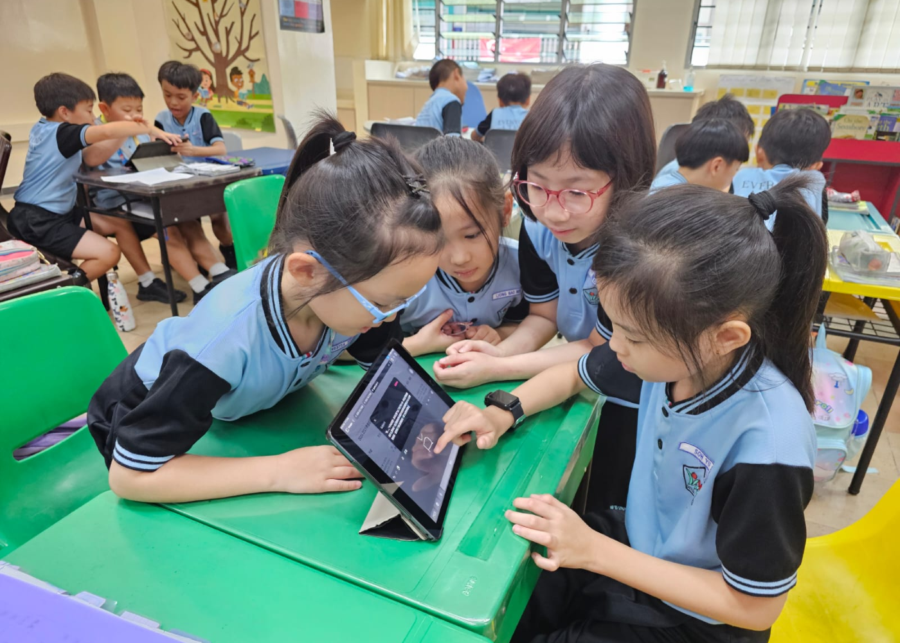
Friendships in primary school form quickly and intensely, and they can also dissolve just as fast. Children who had close friends in kindergarten may find themselves navigating a completely new social landscape, especially if their kindergarten friends went to different schools.
Parents can help by keeping the conversation light and curious rather than anxious. Instead of asking whether your child has made friends, ask who they sat with at lunch, or who made them laugh today. Specific questions get more honest answers than broad ones.
If your child seems consistently isolated after the first couple of months, it is worth a gentle conversation with the teacher. Most schools have programmes to support social integration, and teachers notice more than you realise.
Entering the parent community and making friends as adults
The class WhatsApp group is a Singapore rite of passage. It will contain a mix of genuinely useful information, a great deal of noise, and at least one parent who screenshots everything. Our advice is to mute notifications, but make sure you check it once a day – you don’t want to miss any important last minute information!
In our experience, the more meaningful friendships happen a little more slowly. You come into contact with the other parents usually during school events, volunteering opportunities, or simply the school gate. It is worth investing in school friendships, but do not be discouraged if it takes a term or two to find your people.
What your child actually needs from you in P1 and how to help your child adjust
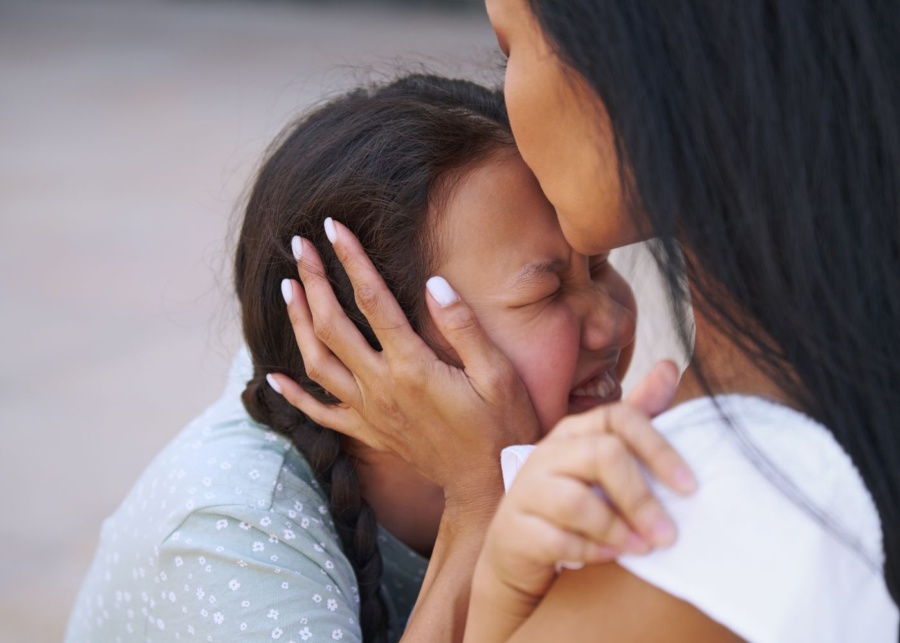
Consistency is key. A stable routine, enough sleep, and a home where school is talked about positively and with curiosity can make an enormous difference to how children settle. The kids who struggle most in P1 are rarely the ones who are academically behind. They are the ones who are exhausted, or anxious, or whose home life has become tense with pressure they can sense but not name.
This year is long. Pace yourself, and pace your child. The habits and confidence built in Primary 1 matter far more than any grade on a spelling test.
One more thing the parents told us…
Every parent interviewed for this feature said some version of the same thing. It gets easier faster than you expect. By the end of Term 1, most children have settled. By the end of the year, many of them will tell you primary school is their favourite thing (fingers crossed!)
Trust the process. And maybe find a friend to message from the car park on the first day – you can always DM us if you need a virtual hug!