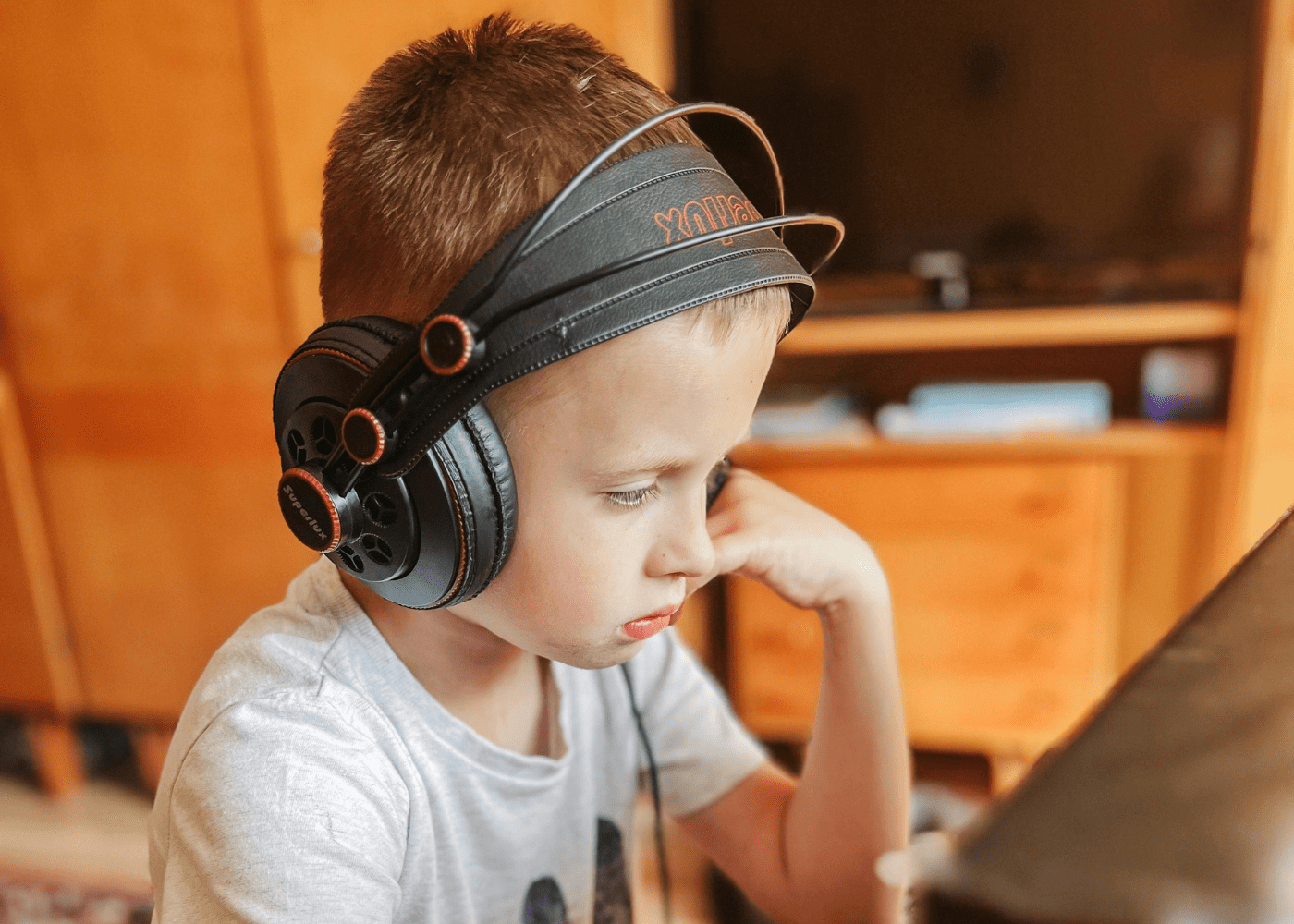
Hard of hearing? We talk to expert Audiologist Sharad Govil from Amazing Hearing about the signs to look out for, and how to prevent hearing loss in yourself and your kids.
Ever feel like your kids or teens just aren’t listening to you? Maybe it goes deeper than the deliberate teen tendency to tune out their parents (sigh). Perhaps they really, truly can’t hear you. Hearing loss and chronic deafness are health issues that aren’t going away. While age can be a factor, kids younger and younger are damaging their hearing through excessive use of headphones and having the volume up way too loud.
Prolonged exposure to loud noises that reduce our kids capacity to hear can affect their listening skills, as well as their ability to concentrate, comprehend, and learn. If you think your child might be suffering from hearing loss or deafness, (over and above the usual teen response of deliberately ignoring us – we’ve all been there!), then you’ve come to the right place.
We spoke to Sharad Govil, an Audiologist with over 20 years of experience who helps people of all ages, from children to older adults with their hearing challenges – including general hearing loss, cognitive decline due to hearing loss, and kids with Auditory Processing Disorders.
What are the main causes of hearing loss in children and teenagers?
“Hearing loss in children and teenagers can be caused by various factors. The most common are congenital factors (hearing loss present at birth), frequent ear infections (otitis media), exposure to loud noise (noise-induced hearing loss), and head or ear trauma. Certain medications, chemotherapy and illnesses like meningitis or measles can also affect hearing. In teenagers, prolonged use of headphones at high volumes is becoming an increasingly common cause of hearing loss.”
What are some of the signs we should watch out for in our teenagers and children that may indicate early hearing loss?

“Signs of hearing loss in children and teenagers can sometimes be subtle. One of the first things to look out for is if your child is complaining about muffled hearing, or if they seem to have difficulty understanding speech. You can tell they are experiencing this if they are constantly asking for repetition, or misunderstanding instructions. You may also notice your child turning up the volume on electronic devices to a louder volume than is necessary (yes, teenagers do this for fun sometimes as well).”
“Your child’s behaviour at school could also be a key indicator of hearing issues. Do they have trouble concentrating in noisy environments like classrooms? Are they struggling with academic performance due to communication issues, or not paying attention in class? This may be related to them having difficulty hearing and understanding.”
What can we do to prevent hearing loss and care for our aural health?
“To prevent hearing loss, it’s essential to protect your children’s ears from prolonged exposure to loud sounds, including music through headphones. We recommend the 60/60 rule. That is, listen at 60 percent of volume, for not longer than 60 minutes. Encourage your child to take regular breaks from loud noise, and ensure that your child uses volume control settings at safe levels. For aural health, maintain regular hearing check-ups, especially if there’s a family history of hearing loss. Prevent and treat ear infections promptly, and it’s important to educate our children about ear protection during activities like swimming. Lastly, please avoid self-cleaning with cotton buds! This is a classic mistake, and can easily damage the ear canal or eardrum.”
Headphones. Do you have any preferred brands, and why? What is the optimal volume control level, and what is the limit for how long a child should use headphones for continuously?

“As a general rule, we recommend that children should not exceed 60% of the device’s maximum volume. Headphone use should be limited headphone use to no more than 60 minutes at a time, followed by a break. Prolonged exposure, even at low levels, can still cause damage over time. We do not see any specialised brand of headphone that caters to healthy hearing in the mainstream market. We recommend Audera Headphones as they do a hearing test and use an algorithm to tailor sound to an individual unique hearing profile. In fact, our hearing is different between both ears and Audera headphones take that into consideration.”
Pssst… As headphones are often necessary for school or aeroplanes, check out our list of kids’ headphones if you need inspo.
What steps should we take if we think our child may be suffering from hearing loss? What is involved in the initial tests?

“It is so important to seek a professional evaluation as soon as possible if you suspect that your child has hearing loss. We will begin with a detailed case history and discuss any concerns or symptoms. Typically, we will then conduct a series of non-invasive tests. These include pure-tone audiometry, tympanometry and otoacoustic emission. These tests help us to assess the function of the middle ear, and your child’s overall hearing thresholds.”
“Based on the results, we can advise on the appropriate next steps. This could be medical intervention, hearing aids, or further specialist assessments. We work with a network of ENT Specialists and Speech Therapists to ensure comprehensive and holistic care for your kids, to try to help them reach their personal optimal level of hearing, and to care for their auditory health well into the future.”
Make sure to get your child’s hearing checked by a professional Audiologist if you are concerned about hearing loss.