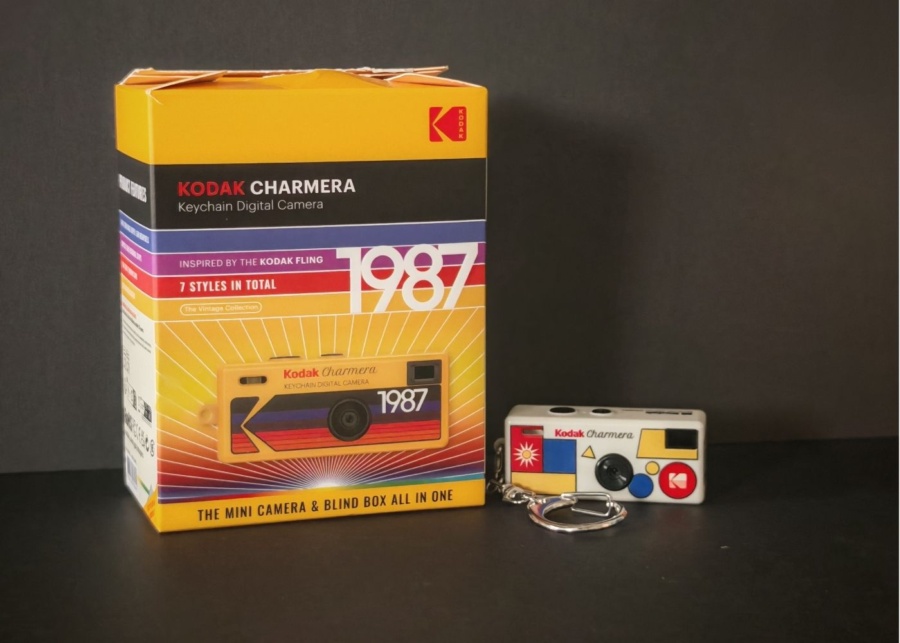
I spent $88 on a tiny blind box camera I could hardly use and during a recent trip, we bought blind bags just because they were cheap. Now, I'm wondering if I should be worried about the blind box phenomenon and its similarity to gambling.
While walking around a mall one day, I was over the moon to see the Kodak Charmera on display! Thinking that the keychain-sized retro camera was sold out everywhere, I couldn’t believe my eyes and good fortune for spotting the last blind box in a place I least expected to find it. Without batting an eyelid, I swiped my card and was all excited to use it for an upcoming trip. Until I unboxed it.
Not only did I not get the design I hoped for, it was hard to operate the tiny camera — the Charmera lost its charm on me.
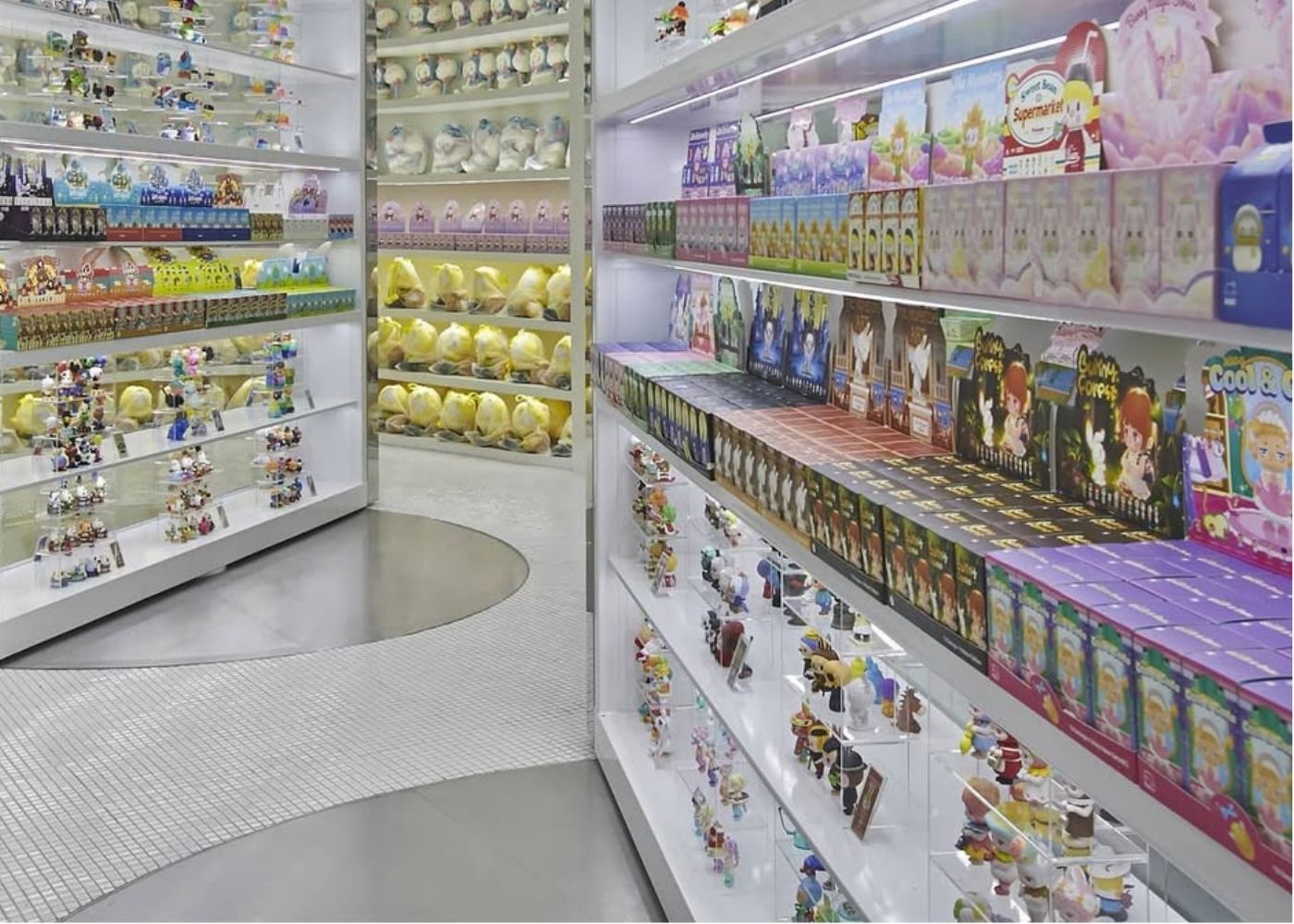
My impulsiveness, together with the number of blind bags we bought during our recent trip to China (some were RMB1.50 per bag – only 20¢!), got me thinking about the whole blind box phenomenon. Are blind boxes more about the thrill than the item? Are they a playful surprise similar to receiving a birthday present, a game of chance akin to a lucky draw, or something edging towards gambling?
The concept of blind boxes is nothing new
Remember Kinder Joy? Yes, that chocolate egg with a hidden surprise which is sometimes strategically placed near the checkout counters at the supermarket or 7-Eleven. When he was younger, my son loved cracking them open to find out which toy he got. But more often than not, his interest in the toy lasted no more than three minutes and there’s only so much chocolate he can eat at that young age. These days, he’s staying awake at 2am for ‘Loot Boxes’ in Roblox for a chance at rare game items.
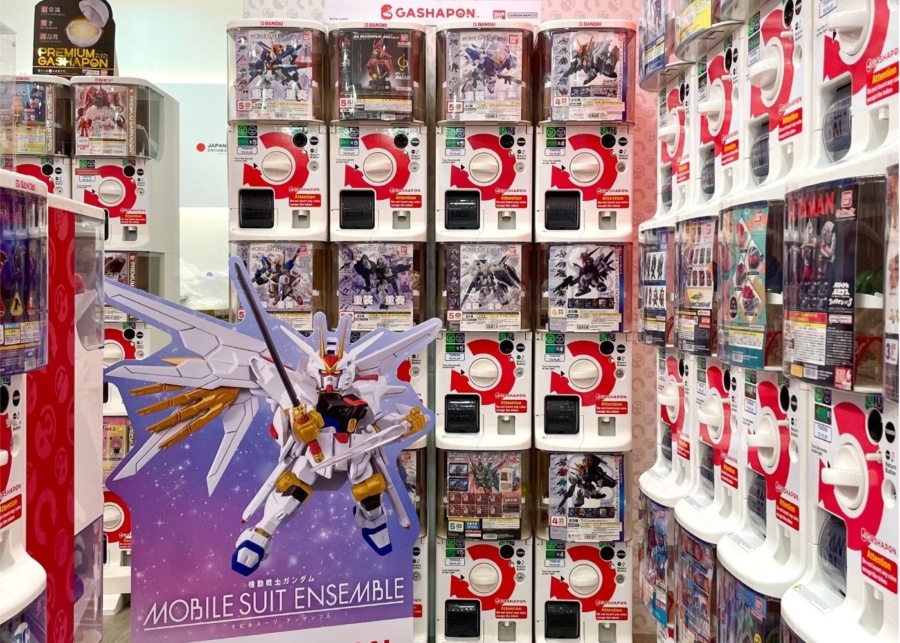
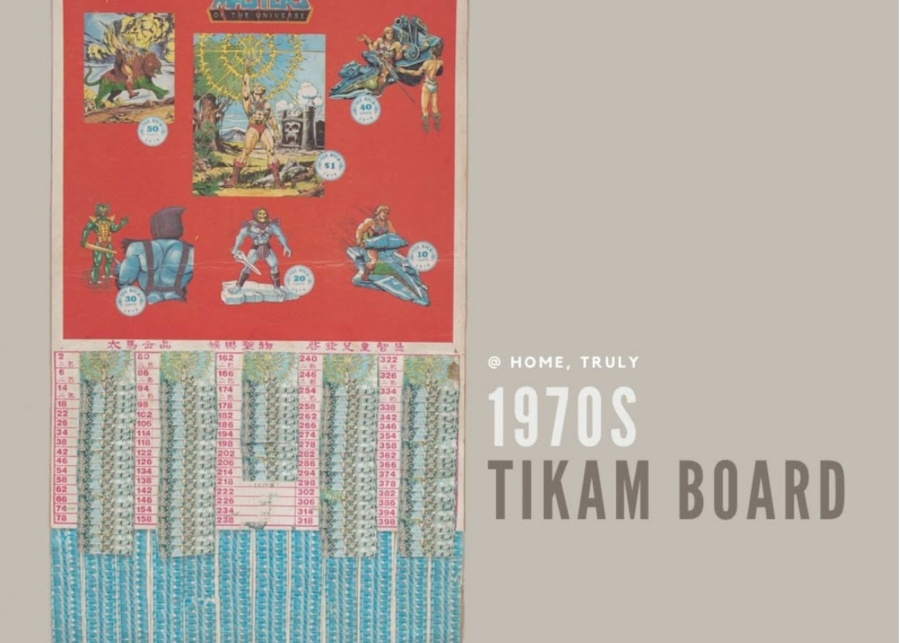
Then, there’s gachapon, the “twist-twist” toy machine and Fukubukuro, the Japanese lucky bags filled with an assortment of goods sold at a heavily discounted price. People like my parents grew up with the provision shop version of blind boxes with Tikam Tikam. For just a few cents, they’ll pick a numbered ticket to win a corresponding prize on the board. There was always one big prize as the main lure; much like that secret edition Labubu.
How did blind boxes get so big?
All these earlier versions played the same game of randomness, banking on curiosity and anticipation that spike our dopamine levels. Yet their popularity has never reached the virality or intensity of blind boxes today. We’re talking an estimated market size of USD306.4 billion in 2024, projected to reach USD535.5 billion in 2033. And we probably have social media to thank for that. It’s not about what’s inside the box anymore, it’s the shared experience through social amplification. Think about all the unboxing videos, collection hunts and reaction videos that draw millions of views. It shares and reinforces the excitement and triggers purchasing behaviour (in people like myself!).
Are blind boxes low-key gambling?
So, as a parent who’s had her dopamine hijacked by blind boxes, I can’t help but wonder, what about my son? When do blind boxes and loot boxes stop feeling harmless and start deserving attention? Especially when a 2022 research suggests that loot boxes in games may normalise gambling-like behaviours in youths. If you think about it, the chance-based outcomes, emotional triggers and impulsiveness, and financial outlay of blind boxes, do echo elements of gambling. Perhaps that is why the Gambling Regulatory Authority (GRA) intends to introduce a $100 prize cap to regulate mystery boxes. While Chinese authorities have imposed a RMB200 price cap and prohibit the sales of blind boxes to children under eight years old.
What blind boxes have taught me
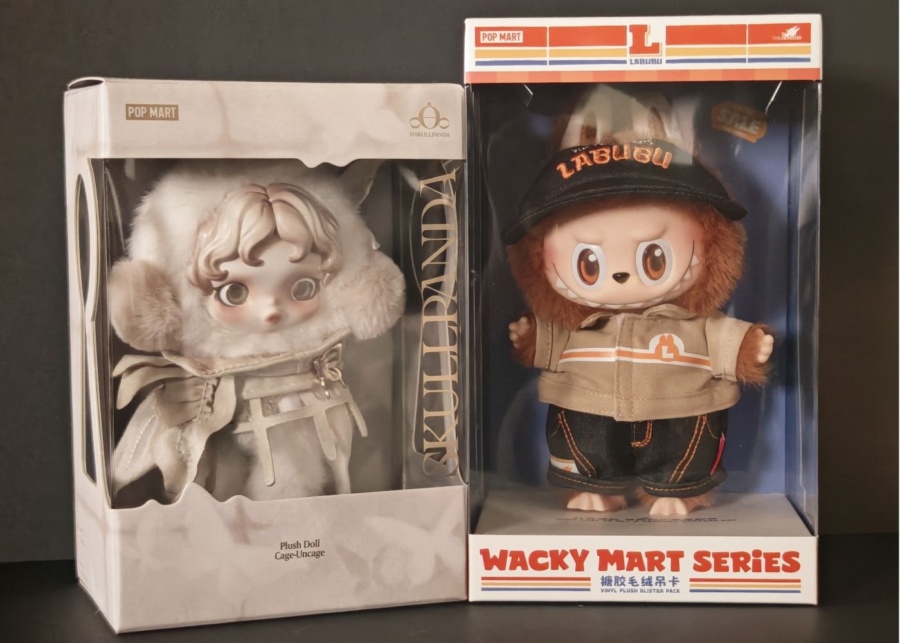
Instead of worrying about blind boxes, maybe we can turn our attention inwards to self-awareness. After all, it’s not the toy or the thrill that is the issue, but the impulsiveness and lack of control which is unsettling. When I said no to Kinder Joy for my son, I also asked whether it’s the chocolate or the toy that he’s after. Hopefully, this gave him some clarity on what he was truly after. But whatever it is, we’ve got them both at home!
Life is full of randomness and probability; in that sense, blind boxes might be tangible ways for parents to talk about larger life lessons. Like, how do we cope when we don’t get what we want? Or, how much of ourselves do we want to invest in situations that are never guaranteed?
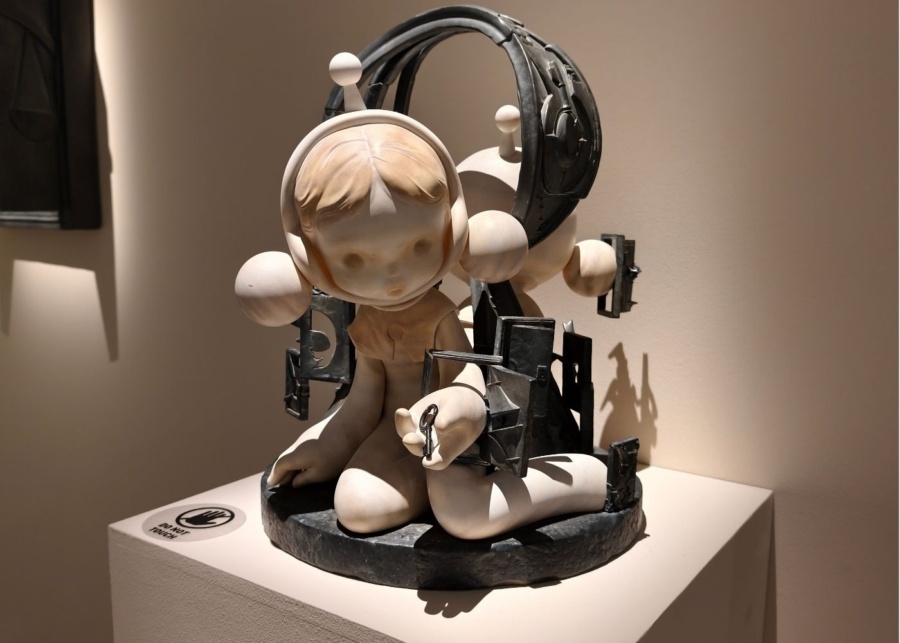
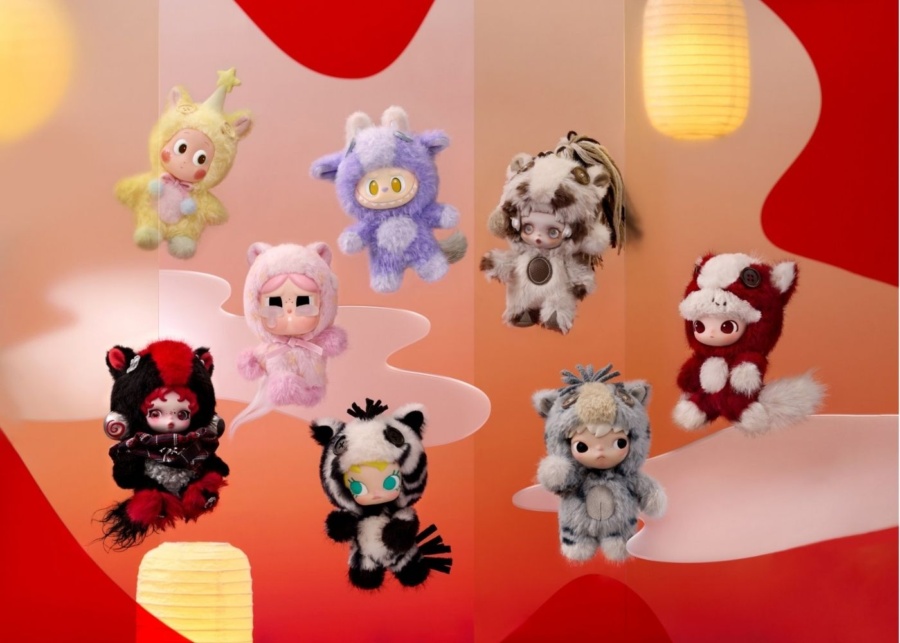
More recently, the SKULLPANDA CAGE-UNCAGE Singapore exhibition at the National Museum of Singapore offered a different narrative beyond the thrill of blind box. Through striking installations of the genderless character SKULLPANDA, the artist Xiong Miao expresses themes like Emotion, Fortune, Rules, Exploration, Life, and Direction. Viewed through the lens of storytelling and art, I honestly left with a deeper appreciation of the toy.
Blind boxes may be all about chance but they don’t have to teach the habits of gambling. In the end, it’s not so much the thrill and mystery that shapes us or our kids, it’s how we help them (and ourselves) make sense of it. I guess I’ll be taking more pictures on my tiny cam, learning to let the anticipation of how they turn out, be the thrill. Or, perhaps you’ll catch us making our own fun with DIY blind boxes?
What do you think of blind boxes? Share your thoughts with us over on Instagram.