In this interview, she talks about why body literacy matters, how Period Power came to life and what it means to raise confident, informed kids today.
Cindy Sirinya Bishop is many things: a mother, a long-time advocate for women and girls, a model, an actress, a founder of the body product brand Kiralab and co-owner of the Movement Playground gym. Not only that, she’s also the co-founder of Period Power, her latest project working to change how young people in Thailand learn about puberty, bodies and confidence.
Through workshops, journals, and school partnerships, together with her co-founder Viracha “Pear” Poolvaraluk, Period Power is on a mission to make conversations around periods honest, accessible and shame-free, especially for girls who don’t always have access to this kind of education. Beyond her advocacy work, Cindy is also raising two teenagers in Bangkok and navigating motherhood in the public eye, with a strong belief in communication, self-awareness, and staying grounded.
In this interview, she talks about why body literacy matters, how Period Power came to life, and what it means to raise confident, informed kids today.
You co-founded Period Power. What inspired you to start it?
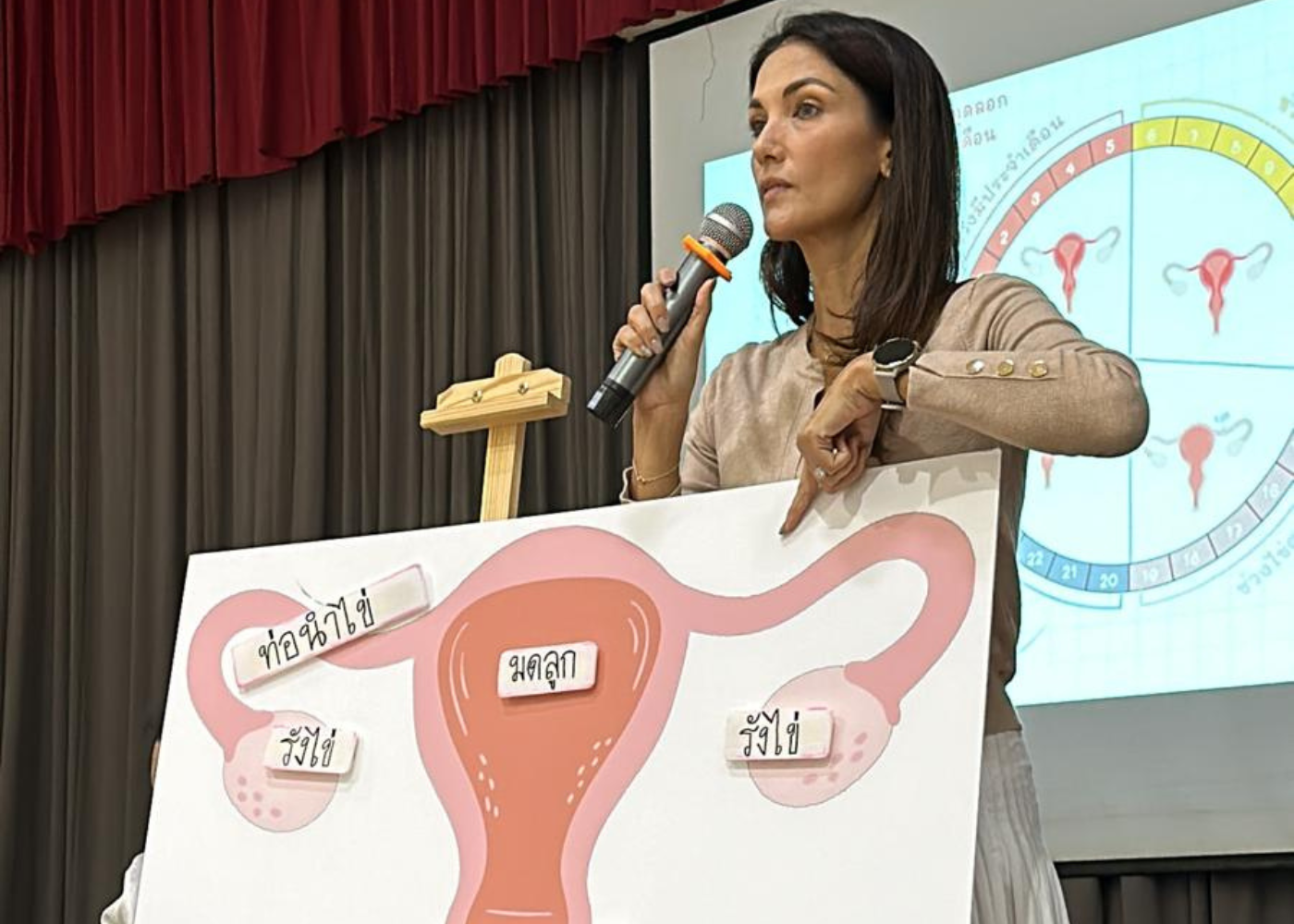
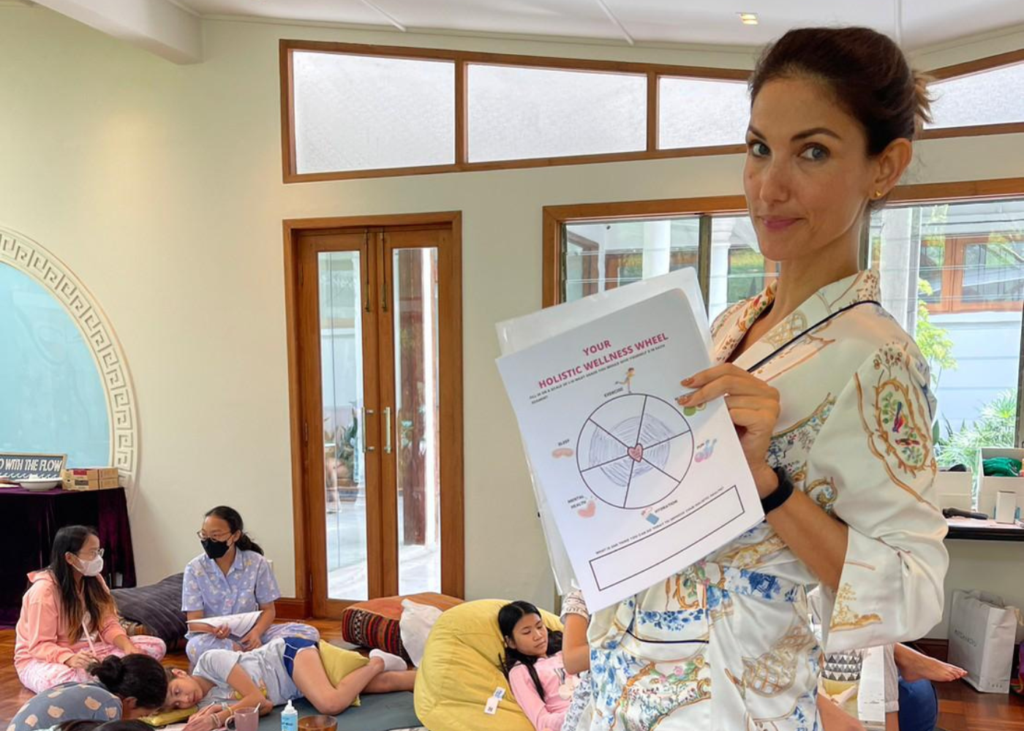
I started Period Power with my friend, Viracha “Pear” Poolvaraluk. She had already been working in women’s health and we began with small workshops and pyjamas parties for girls aged 9–16 where they’d show up in their pyjamas. The idea is to teach pre-teens and teen girls and talked openly about what happens in our bodies during our periods.
From that we realised very quickly how little honest, accessible education there was around puberty and menstruation, especially for young girls.
What felt missing from how this topic is usually taught?
A lot of what kids get, especially in schools, is very academic and clinical. It’s not relatable or empowering. Periods happen so commonly and girls deserve to understand what’s happening in their bodies – from PMS to cycle changes – without shame.
We also realised that while international school students had some access to this information, the girls who really needed it were in Thai public schools.
How has Period Power grown since then?
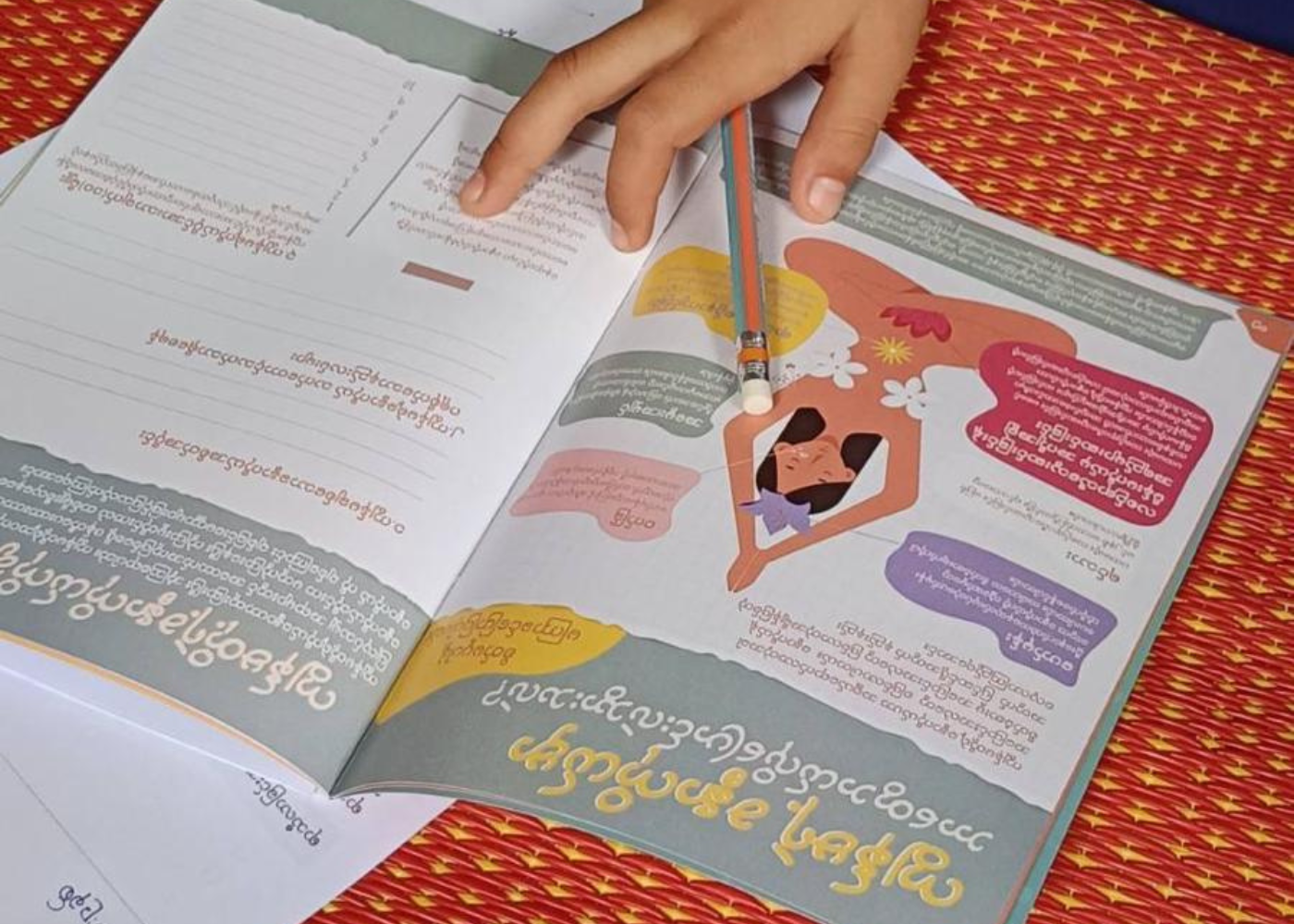
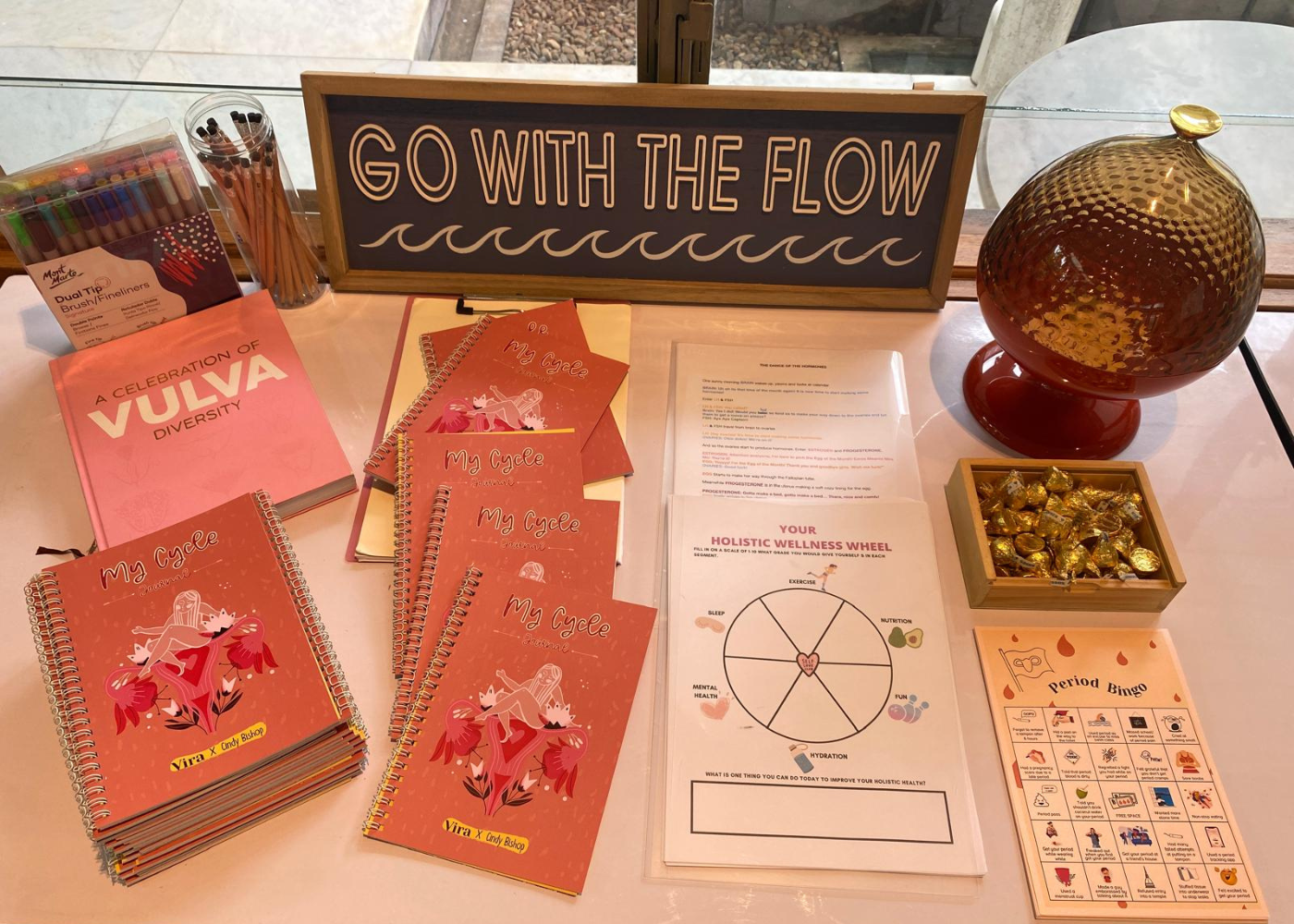
So far, we’ve reached around 4,000 girls. We created a guided journal that maps everything out clearly, translated it from English into Thai and Burmese and partnered with NGOs along the Thai–Myanmar border in Mae Sot to reach girls who often get overlooked.
We also work with the Thailand Youth Council and offer sponsorship packages for companies who want to support this mission. It’s about raising the next generation with confidence and awareness.
How has motherhood shaped you?
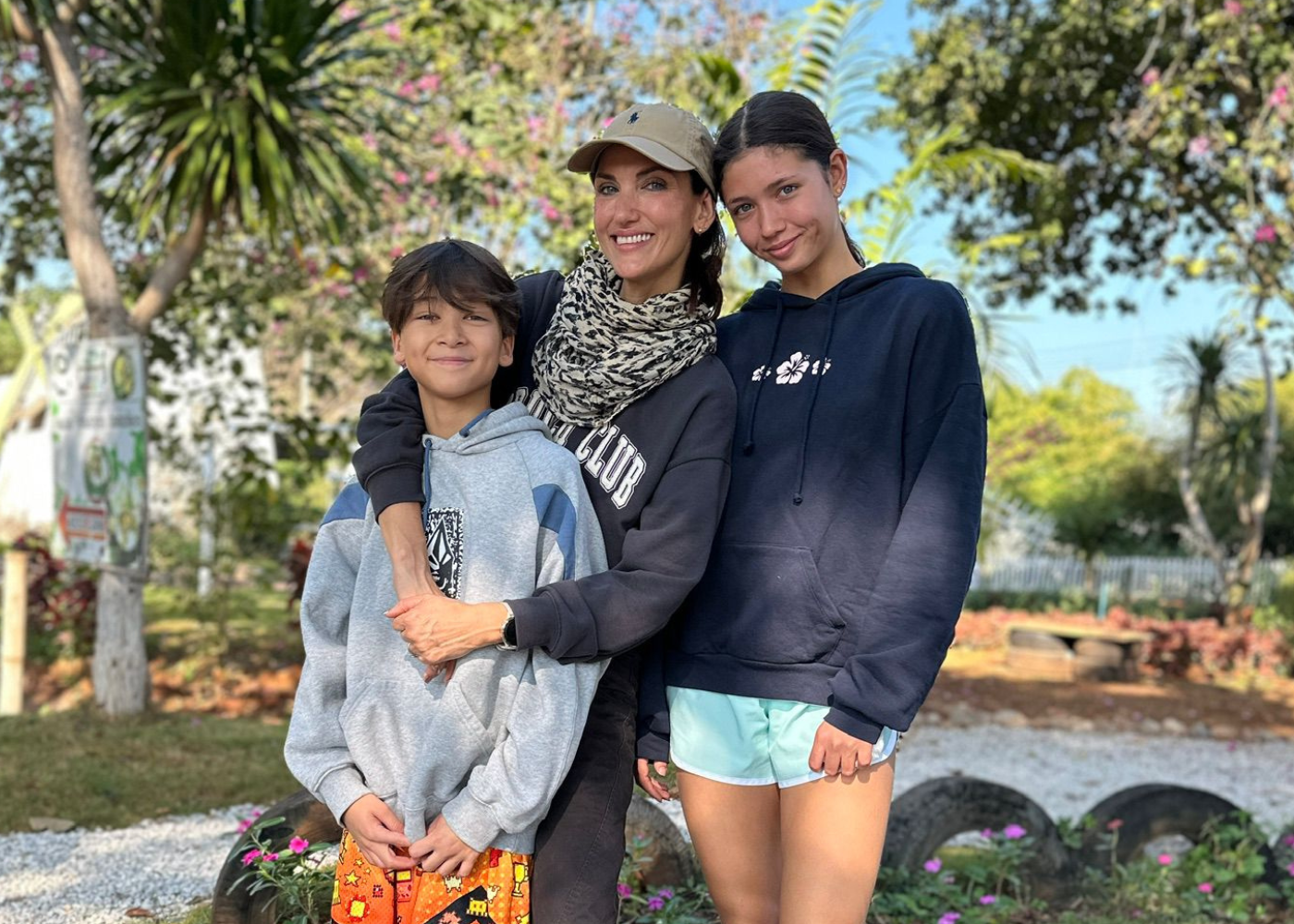
Motherhood changed me profoundly, but it didn’t erase who I am. It expanded me. It’s a very honest mirror. You can read all the self-help books you want, but becoming a mum forces you to confront yourself.
I don’t believe mums lose themselves. I think we put parts of ourselves on hold. As my kids have grown older, I’ve been able to revisit those parts again. Motherhood doesn’t end, but learning to do it with balance and flow is key.
You and your husband are very public figures. How does that affect your children?
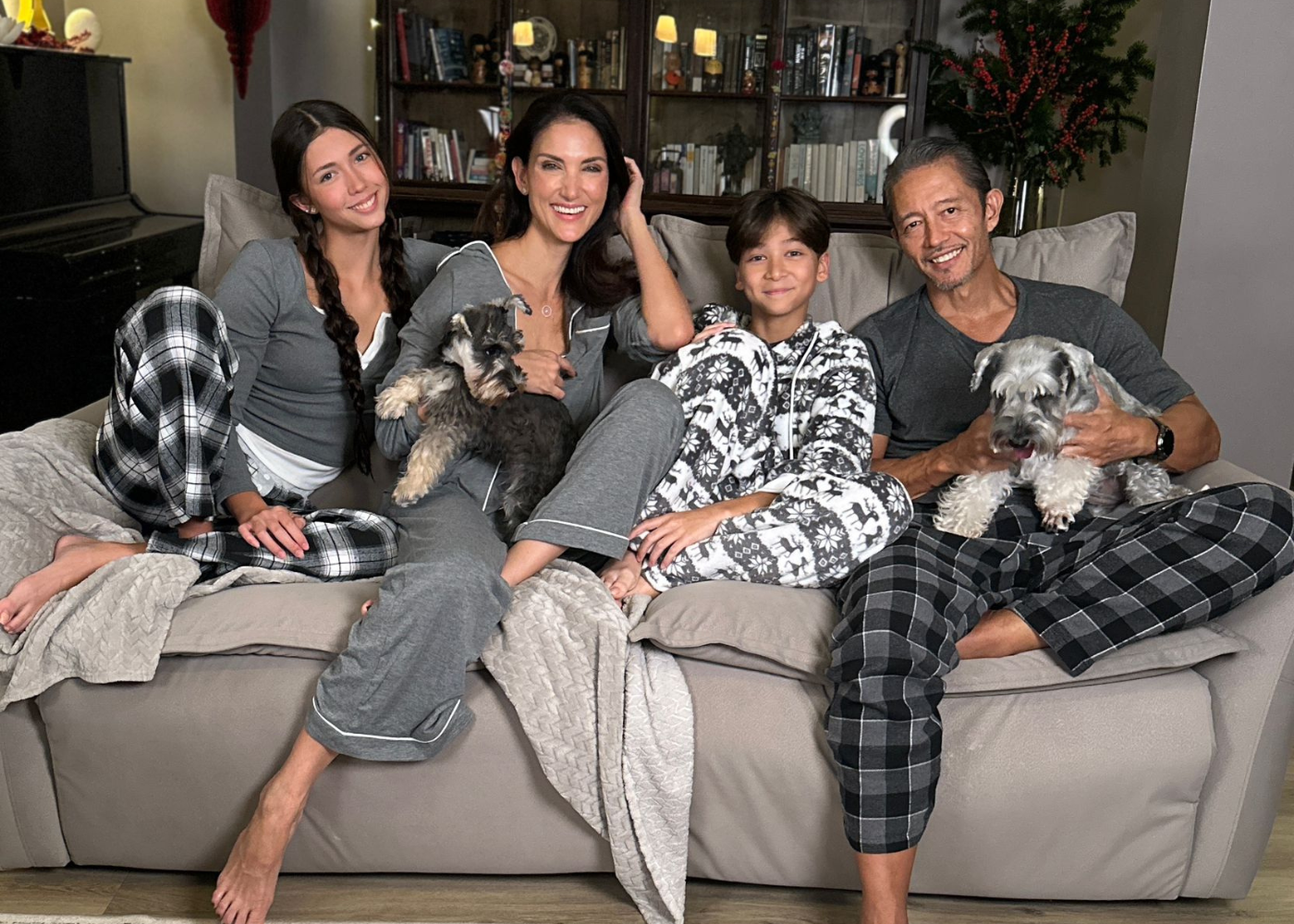
Our kids have grown up understanding visibility. They know why people ask for photos. We talk constantly as a family – that’s essential. If you build that habit early, it carries through into the teenage years.
With visibility comes responsibility. They know they have to be more mindful of their actions, online and offline.
How do you talk to your children about privilege?
We talk about it openly. They know they’re lucky and that not everyone lives the same way. Privilege is a platform and the question is how you use it.
I didn’t grow up with privilege and my kids see that. Gratitude and giving back are non-negotiable in our family.
Your daughter has started modelling. How do you navigate that?
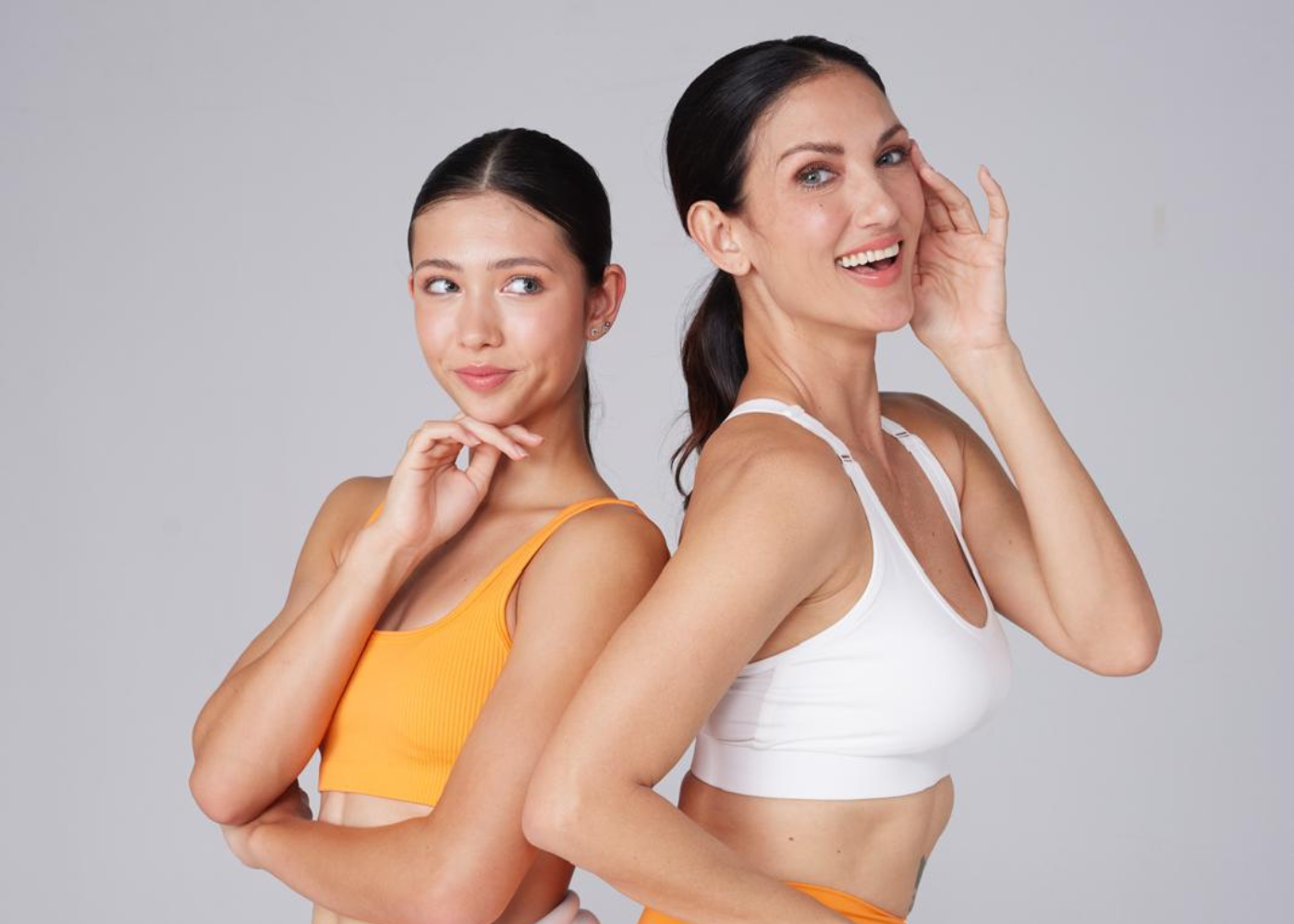
She struggles with being known as my child as she doesn’t want people to think she got the job because of who I am. I was very clear: opportunities might come more easily, but staying there requires real work. If you’re not ready or professional, that door will close very quickly.
You’re a big advocate for raising children who can communicate and reason. Why is that important to you?
I believe in raising kids with reasons, kids who can communicate, explain themselves and think critically. We talk a lot as a family. My children are active, healthy and confident, and I really believe that comes from open communication and being heard at home.
Any favourite kid-friendly places in Bangkok?
I’m part-owner of The Movement Playground, so movement and active play are a big part of our family life.