While we love hearing about women overcoming cancer, there's a huge aspect that goes unnoticed – gaining your confidence and navigating intimacy after your body has gone through so many changes.
When the topic of breast cancer comes up, we often highlight survival, celebrating clear scans, important treatment milestones and resilience. However, what is often less discussed is what comes next after battling cancer. The phase when the body might be considered ‘’well’’, yet many survivors quietly note that there are still many things that are not quite right. Especially a topic that is not often discussed – intimacy.
As a sexologist, sex therapist and founder of Nambani, I was privileged to work with some breast cancer survivors during this quiet stage of recovery. They approached me because they noticed something had shifted in their bodies, desires and relationships with their partners – and no one quite prepared them for these shifts.
Advances in modern medicine and technology in breast cancer treatment mean many lives are saved. Yet the areas that are still playing catch-up are the profound changes in how many of our survivors experience emotional challenges, intimacy, identity, and connection with themselves and their partners. Due to the taboo nature of intimacy and sexuality, these issues are often treated as secondary; women are often left to navigate these changes alone while still caring for families, relationships, and everyday life.
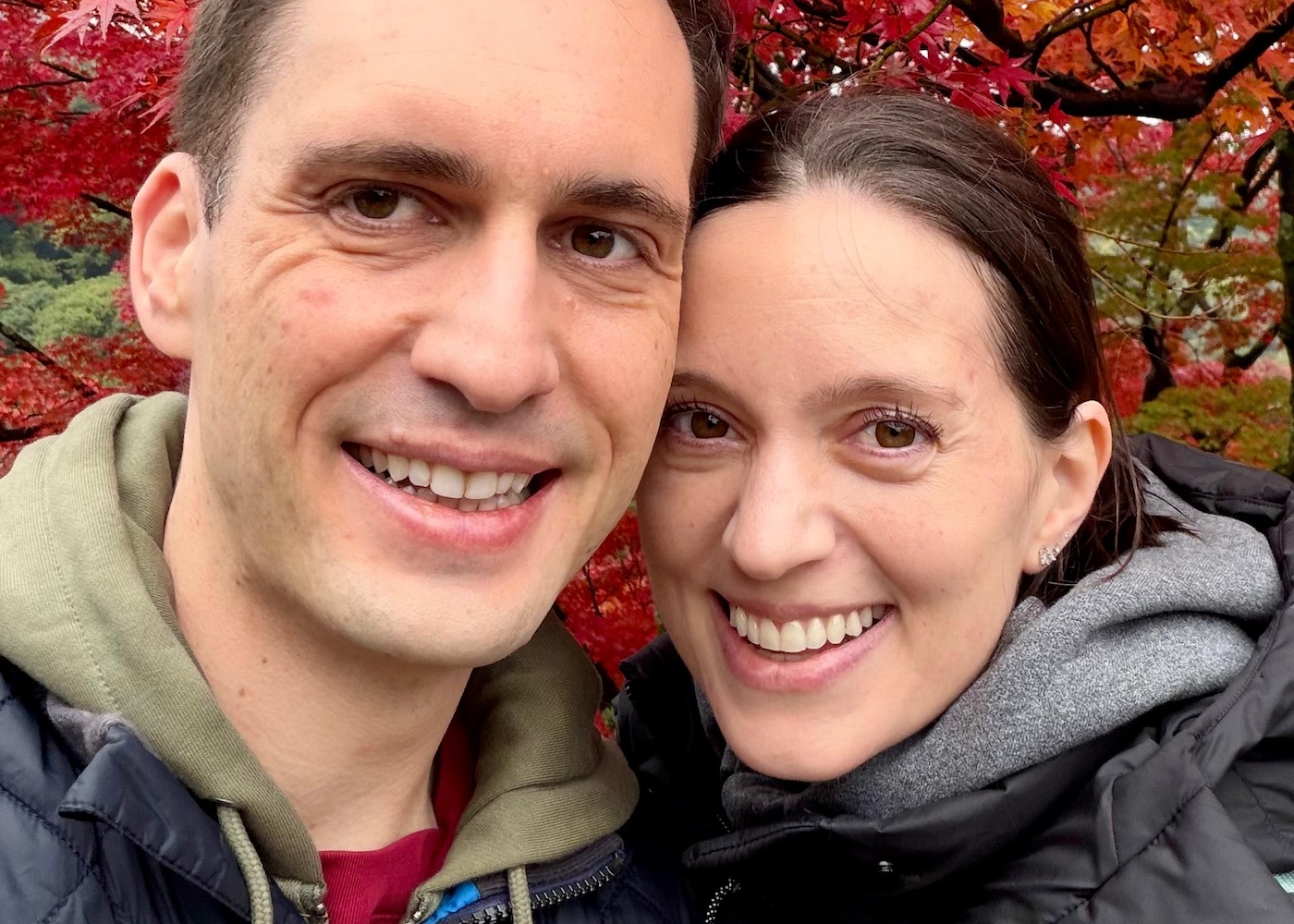
I interviewed a breast cancer survivor and patient of Solis Breast Care & Surgery Centre, Magda Milczarska, who described her experience with her body using a single word: betrayal.
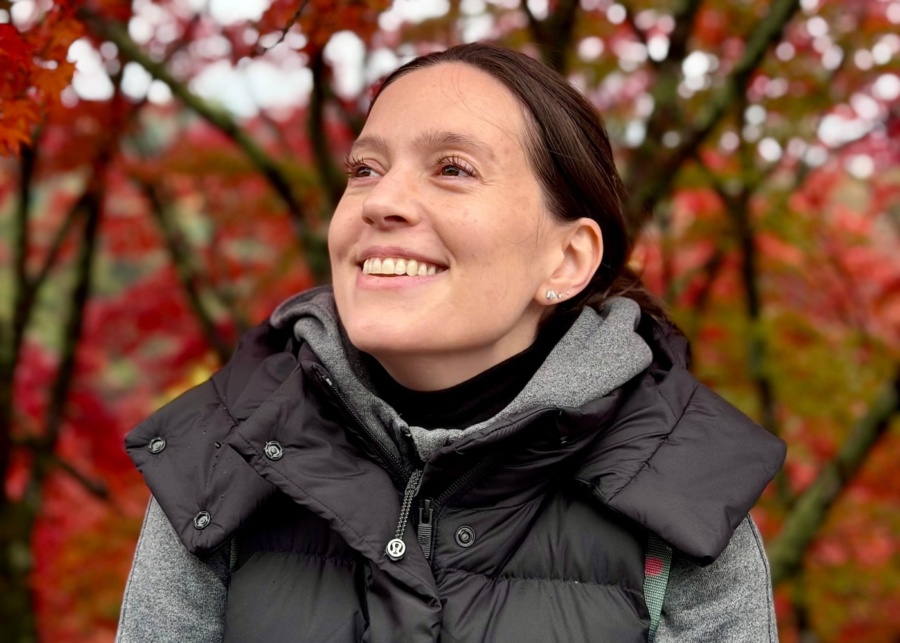
“Before cancer, my body was my own… It belonged to me; I knew it, understood it, and knew how it worked. With breast cancer, my body suddenly betrayed me.”
She shared that during breast cancer diagnosis and treatment, the sense of betrayal grew louder. Intimate touch gradually faded into the background, understandably giving way to physical touch focused on treating, managing and monitoring cancer, which at times can be uncomfortable and painful.
After the crisis had passed, while Magda had expected life, including intimacy, to return to normal, she was confronted with another form of betrayal and challenge. Her body had changed.
“I didn’t recognise my body… it looked different, it felt different.”
For many women, this gap between expectation and reality quietly leads to feelings of shame. Intimate touch may feel overwhelming, intense, or numb. The body may appear and feel different, and consequently sexual desire might not return as anticipated. Without the right words or support, it’s common to believe that something is wrong or ‘’broken’’.
“You start thinking that something is wrong with you, that something is wrong with your relationship, and that things might be broken.’’
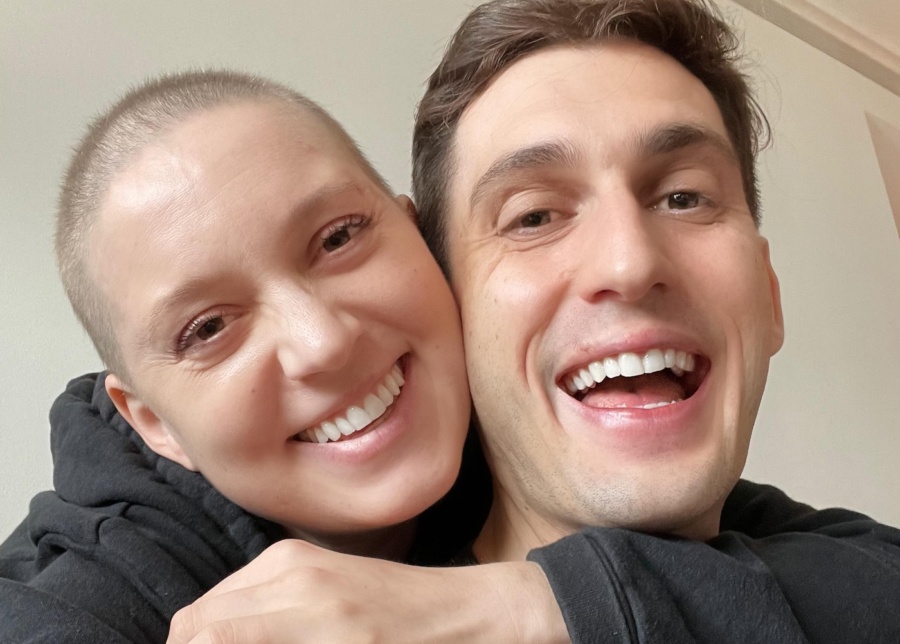
Her partner and many other partners of breast cancer survivors often experience these changes. A loss of desire can be mistaken for rejection, particularly when both partners lack the communication skills to discuss it. While emotionally, Magda felt deeply connected to her partner, physically her body wasn’t ready — and that mismatch was confusing and distressing for both of them.
One of the most painful realisations she expressed was this: “ Desire did not equal love, and love did not equal desire’.’
From a sexological standpoint, Magda’s experience is understandable. Cancer treatments can leave the nervous system in a constant fight-or-flight state, as the body stays alert to the perceived threat of cancer. “Even a loving touch could trigger a fight-or-flight response.”
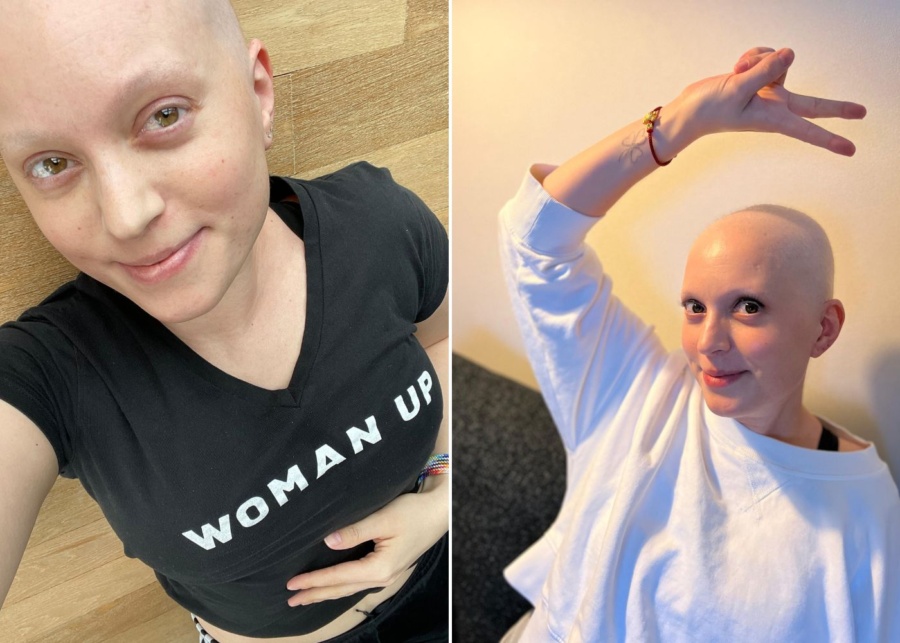
Re-establishing a sense of safety through gentle, affectionate touch may take time and effort. Therefore, intimacy after breast cancer is not about forcing oneself to “return to normal,” but about gradually and patiently rebuilding a sense of security and connection —both physically and emotionally—within the body and in relationships, without pressure.
What helped her move forward wasn’t a single breakthrough, but support over time: therapy (including sex therapy), honest communication, and letting go of the idea of returning to who she was before.
‘’There is no going back to normal. There is only finding a new normal and going forward’”
Instead of trying to recapture a previous sense of intimacy, she and her partner focused on building new connections through regular check-ins, honest conversations about boundaries and needs, and intentional shared time. They understood that intimacy shouldn’t be forced but should be nurtured with care.
Near the end of our talk, I asked what she wished more people knew about intimacy after breast cancer. Her reply was simple and unwavering:
“There is nothing broken about you.”
Each recovery is unique, with no set timeline or single way to experience intimacy. Harsh self-criticism offers no benefit. Bodies need time, partners may grieve, and a sense of safety must come first.
Supporting women after breast cancer extends beyond medical care. It involves acknowledging experiences that are often overlooked, creating safe spaces for open conversations about intimacy without shame, and recognising sexual wellbeing as a vital part of recovery—not a privilege.
Support that moves beyond mere survival fosters stronger bonds, dignity, and healthier relationships. This may involve listening without rushing to fix, asking thoughtful questions, or simply reaffirming that intimacy still matters.
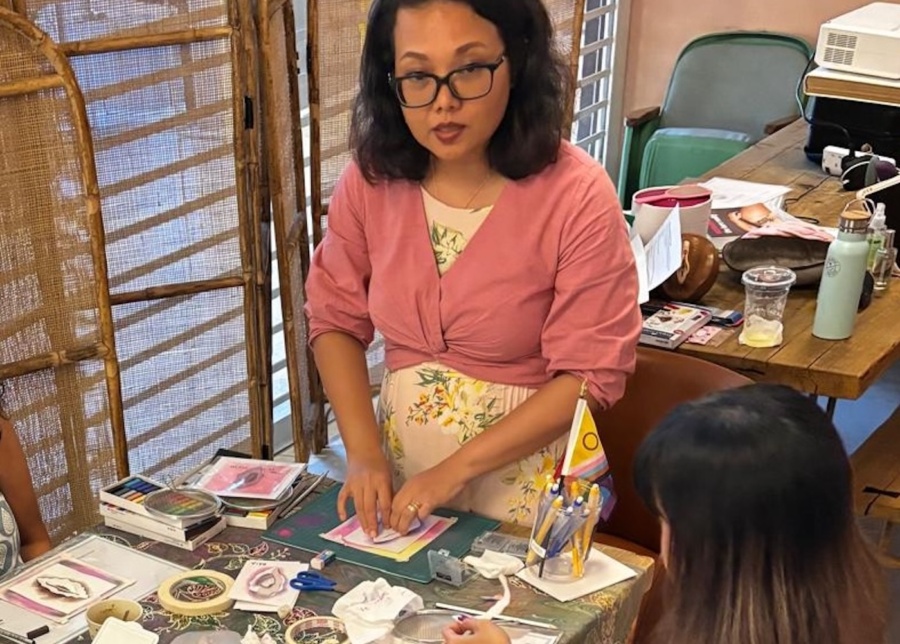
For this reason, I wrote a chapter on sexuality and intimacy in The Breast Years of Your Life: Living Well After Cancer—a 250-page guide led by Solis Breast Care & Surgery Centre, for survivors, partners and caregivers navigating life after breast cancer. The goal is to ensure no one faces this journey alone or in silence. This aligns with the 2026 International Women’s Day theme, Give To Gain, which encourages acts of support and empowerment that strengthen communities.
As we mark International Women’s Day, giving doesn’t always require grand gestures. Often, it begins with creating space for conversations that have long been overlooked. When women feel safe, supported, and recognised as more than survivors, intimacy can return in its own time and in its own way. And when women are supported in this way, relationships – and communities – grow stronger.

Thank you Dian for sharing your insights! You can find Dian Handayani at www.nambani.com and @therapywithnambani on Instagram!