Is feminism just a fad or something we can teach our kids? We asked these entrepreneurs for their thoughts – and how important it is as we raise kids in the current age!
Feminism can get quite a bad rap, often weighed down by stereotypes and misunderstandings. But at its core, feminism is really about equality, respect and opportunity for everyone. So how do modern parents feel about the label, and would they want their kids to grow up calling themselves feminists too?
We asked these successful Launchpad entrepreneurs for their take!
1. Making conversations about successful women the norm
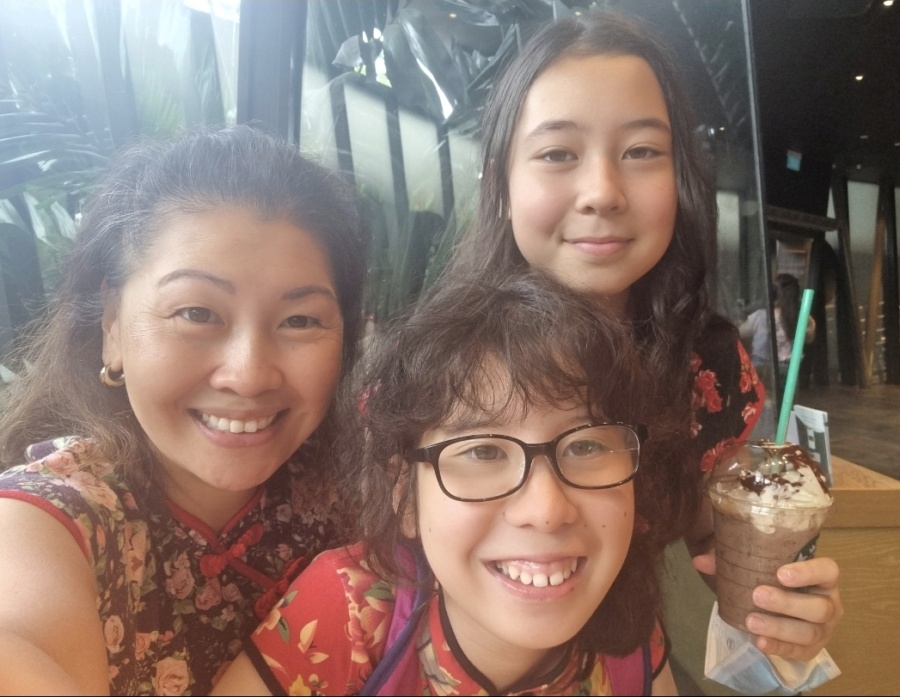
I’ve never consciously set out to “teach my kids to be feminists” as a label. I grew up watching my mother quietly model strength and capability — she lived equality rather than talked about it. That shaped me deeply.
With my own girls, one simple, practical thing we do is make women’s stories part of everyday life. We read books like Rebel Girls, listen to podcasts in the car, and talk about women — past and present — who lead, create, and persevere. It’s not a formal lesson. It’s a normal conversation.
So when International Women’s Day comes around, it’s simply a moment to reflect on contributions, fairness, and respect. For me, teaching feminism isn’t about slogans. It’s about consistently widening the stories our children hear, so they grow up expecting equality and recognising bias when they see it.
– Hsiao Bond, Founder, Neural Connections
2. Teaching kids the importance of listening to “no” using kid-friendly resources
Teaching children about feminism early is crucial. As a sexologist and founder of Nambani, I have seen the rising media influence of misogynistic ideas like the “red pill” culture. Discussing gender equality is urgent, not just theoretical. International Women’s Day is an ideal time to promote the values of fairness, respect, and dignity. Introducing consent through resources like the animated video Tea Consent helps children understand bodily autonomy and the importance of listening to “no.’ These conversations foster mutual respect at school and home, laying the foundation for meaningful change.
– Dian Handayani, Principal Therapist and Director of Nambani
3. Modelling equality from home
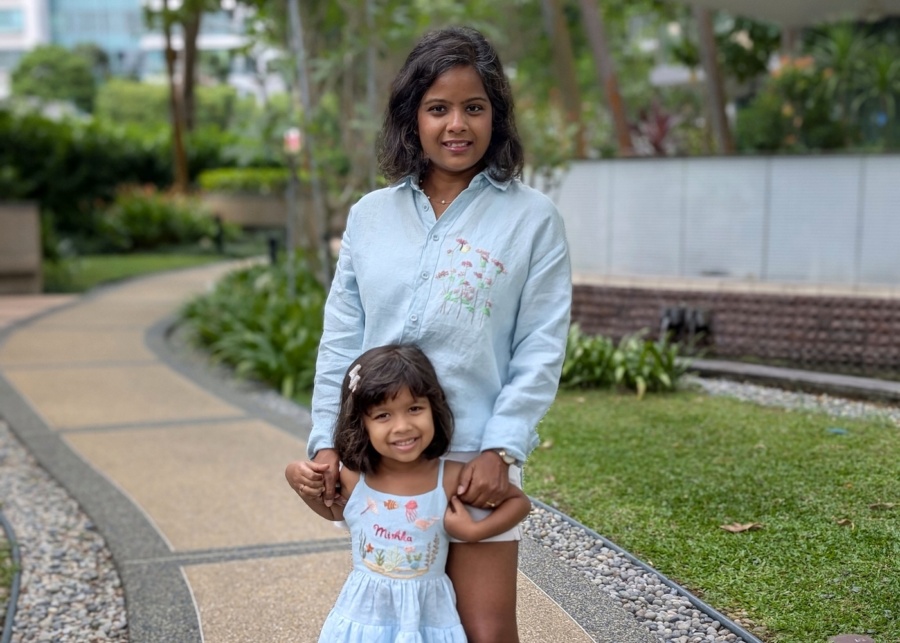
The most practical way I teach my daughter about equality is by practicing it at home. The relationship between me and my husband is her first and closest example of what partnership looks like. We share responsibilities, respect each other’s work, and make decisions together.
I’m also very mindful of the language I use — I never say “I can’t do this” simply because I’m a woman. Instead, I show her that capability is not defined by gender. Lead by example is the most powerful lesson.
– Amrita Shrivastava, Founder, The PureStitch
4. Talking about equality in casual everyday moments
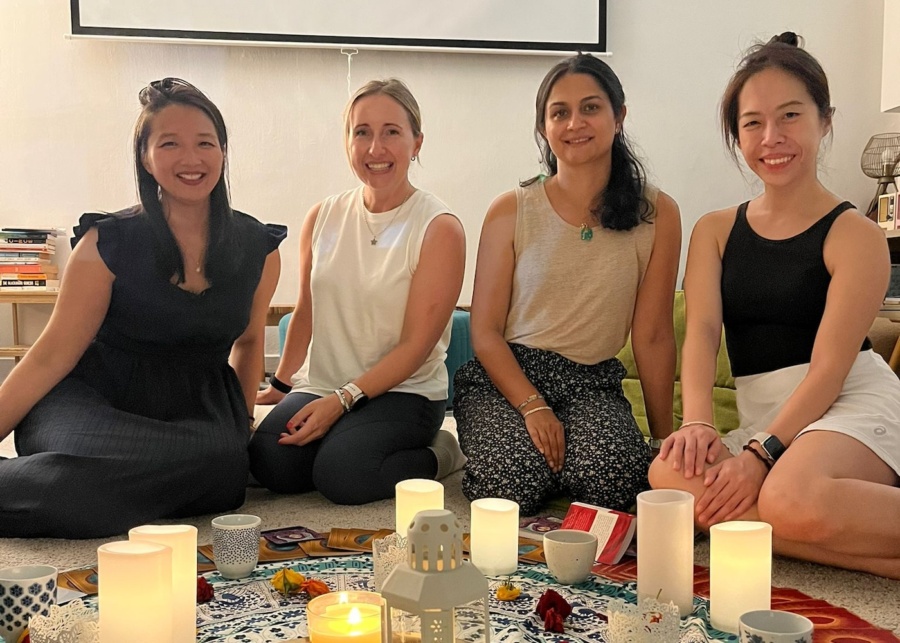
As a somatic trauma-informed coach, I often talk to the kids in my life about equality through simple, everyday moments. When they feel upset or frustrated, I help them notice their feelings in their bodies and remind them that their emotions and boundaries matter. These small conversations teach empathy, respect, and fairness. Around International Women’s Day, we talk about how everyone deserves to be heard and valued, and we celebrate people who make the world kinder and safer for all.
– Sophie Leung, Somatic Trauma Informed Consultant
5. Highlighting patriarchy and misogyny portrayed in shows

I have two boys, ages 12 and eight, and my main goal as a parent is to raise them to be kind, generous, helpful men who respect women, treat them as equals and in general, stand up for those who can’t stand up for themselves. For me, the easiest way to highlight patriarchy and misogyny is through the content we are watching together – movies and TV shows.
For example, I’ll highlight to them that female characters in a particular movie have very little screen time or no dialogues or their views are dismissed and their actions are of no consequence to the main story. I will flag to them when a story has very cliched portrayals of women – as damsels in distress, victims or vamps – shorn of all complexity and nuance. I will also point out when female characters are in the wrong – as feminism is not just about our rights as women, it’s about responsibilities too.
When they asked me after watching a show, “Why is only the man in the show expected to make money and provide for the family?” I gave them my honest opinion: “You are right, women should contribute equally to the family income too!”
Stories and characters make lessons real and memorable.
P.S: Yes, in these moments, my husband does think I am a buzzkill and keeps rolling his eyes while I am on my feminism soap box but it’s worth it!
– Megha Singh, CEO, Launchpad
6. Connection before correction

Hell ya! We should be teaching kids to be feminists! But we need to extend the love and compassion to men and boys too, to fight patriarchy and toxic masculinity. My one tool? Connection (plus listening to understand) before correction. We spend so much energy teaching kids what to think about gender equality — but not enough time making them feel worthy so that they are actually able to be equal. Girls who are deeply loved and seen know their value. They don’t shrink or hide. They don’t take sh*t. And boys who feel genuinely connected and loved? They don’t need dominance to feel powerful. They can use their masculinity to complement, not compete or hurt. Misogyny comes from disconnection, fear, hurt and trauma. So the most radical feminist act you can do as a parent? Fill your kids up. All of them.
– Cornelia Dahinten, Conscious Connections Consultancy – Relational Therapist for Individuals, Couples & Teams
7. Lead by example
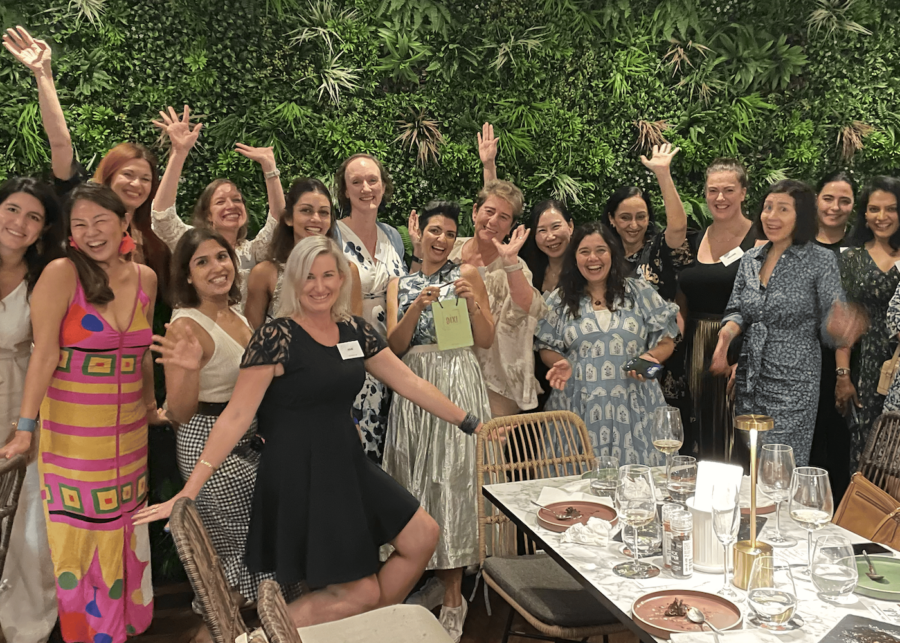
Children learn far more from what we do than what we say, so I try to lead by example! With my daughters (14 and 10 years old), conversations about fairness and respect are part of everyday life. Hopefully they see me lead Seasoned Singapore Expat Women (SSEW), spotlighting female founders, celebrating the wins, and championing community over competition. These real moments show them that supporting women is not just something we talk about on International Women’s Day. It is a value we live and practise every day.
– Anju Cawthra, Managing Director of SSEW – Seasoned Singapore Expat Women
8. Asking kids all the right questions to spark meaningful conversation
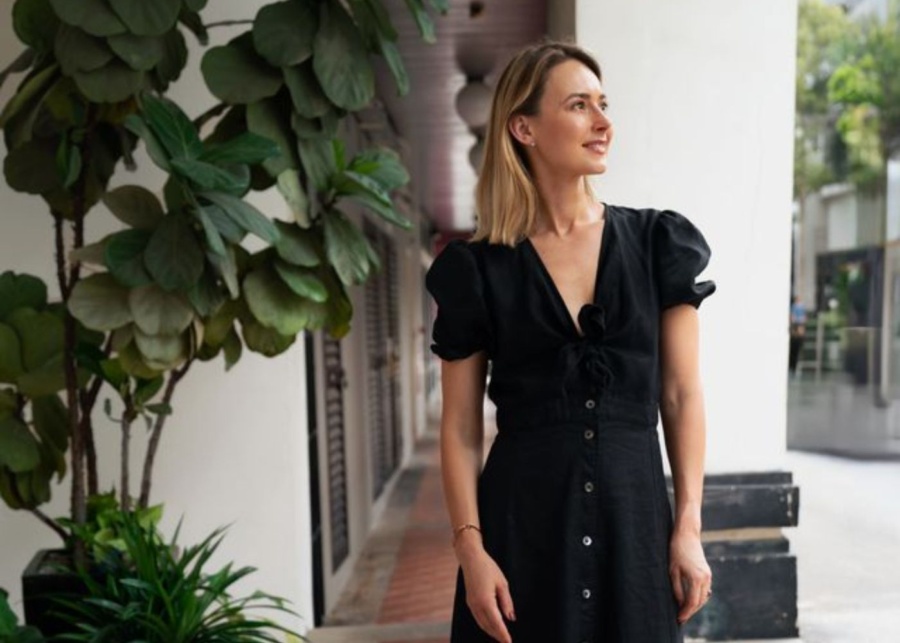
I don’t think kids need the word “feminist” as much as they need to see equality in action every day. For me, teaching feminism is simply teaching my six-year-old daughter that girls and boys are equally capable, equally important, and deserve the same respect and opportunities.
On International Women’s Day, I keep it very simple and age-appropriate. I explain that, not so long ago, girls and women didn’t always have the same choices – and that days like this remind us to keep speaking up so everyone is treated fairly. I ask questions like, “Do you think boys and girls should have the same chances?” or “What makes someone brave or strong?” so it becomes a conversation, not a lecture.
One easy, practical thing we do at home is a “who inspires you?” moment. We talk about women she knows – a teacher, a grandma, an athlete, even a cartoon character – and why they’re strong or kind. Then we’ll draw them or write a little note to say thank you. It’s a small ritual, but it normalises admiring women for their courage, ideas and hard work, not just how they look.
– Linda Morrison, Founder and Creative Director, Milimilu
9. Walk the talk unapologetically
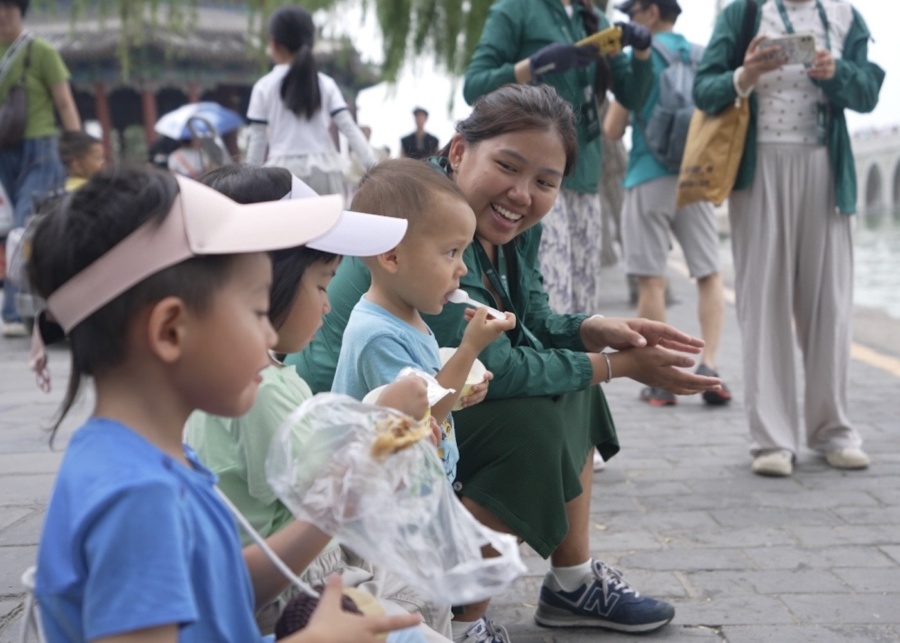
I don’t think we need to teach the word ‘feminist’. I think we should model leadership without apology and raise sons who see women as capable, complex individuals whose preferences and ambitions matter.
My sons are five and two years old. I do not sit my boys down to teach them about feminism. They just see how our life works.
I run Mandarin Learning Tours, designing and hosting immersive journeys in Beijing for families with young children. My boys are part of that world. They travel with me, attend hotel viewings, sit in meetings with local partners and come along when I meet my collaborators.
Recently, I was in a meeting room negotiating partnership details while breastfeeding my younger son.
These are practical ways I teach my boys about women: they see their mother lead. They see me negotiate, make decisions, build partnerships, carry responsibility and hold vision. They see that women do not shrink in professional spaces. They see that motherhood and leadership can coexist. They understand that their mother works and leads. To me, that normalises more than any conversation about “girl power.” When families join our journeys, I design experiences around the interests of all the children, not just my own boys. On one trip, one girl loved princesses, so we went to watch a Snow White performance in Beijing. That wouldn’t have been my sons’ first choice, but it was important to her.
Through moments like that, they learn that the world doesn’t revolve around them. Other children’s interests, including girls’ interests, deserve space and respect. They learn to pay attention to what other people care about. After the trip, my boys spotted princess socks in a shop and asked to buy them for their friend because they remembered what she loved. I didn’t prompt that. They remembered. If my sons grow up seeing women lead, work, negotiate, build, and also deserve to be listened to in small everyday ways, that is more powerful than any slogan.
So no, I don’t formally “teach” feminism. I model it, and I expect them to participate in it.
– Jolyne Surzyn, Founder & Experience Designer, Mandarin Learning Tours
Happy International Women’s Day!