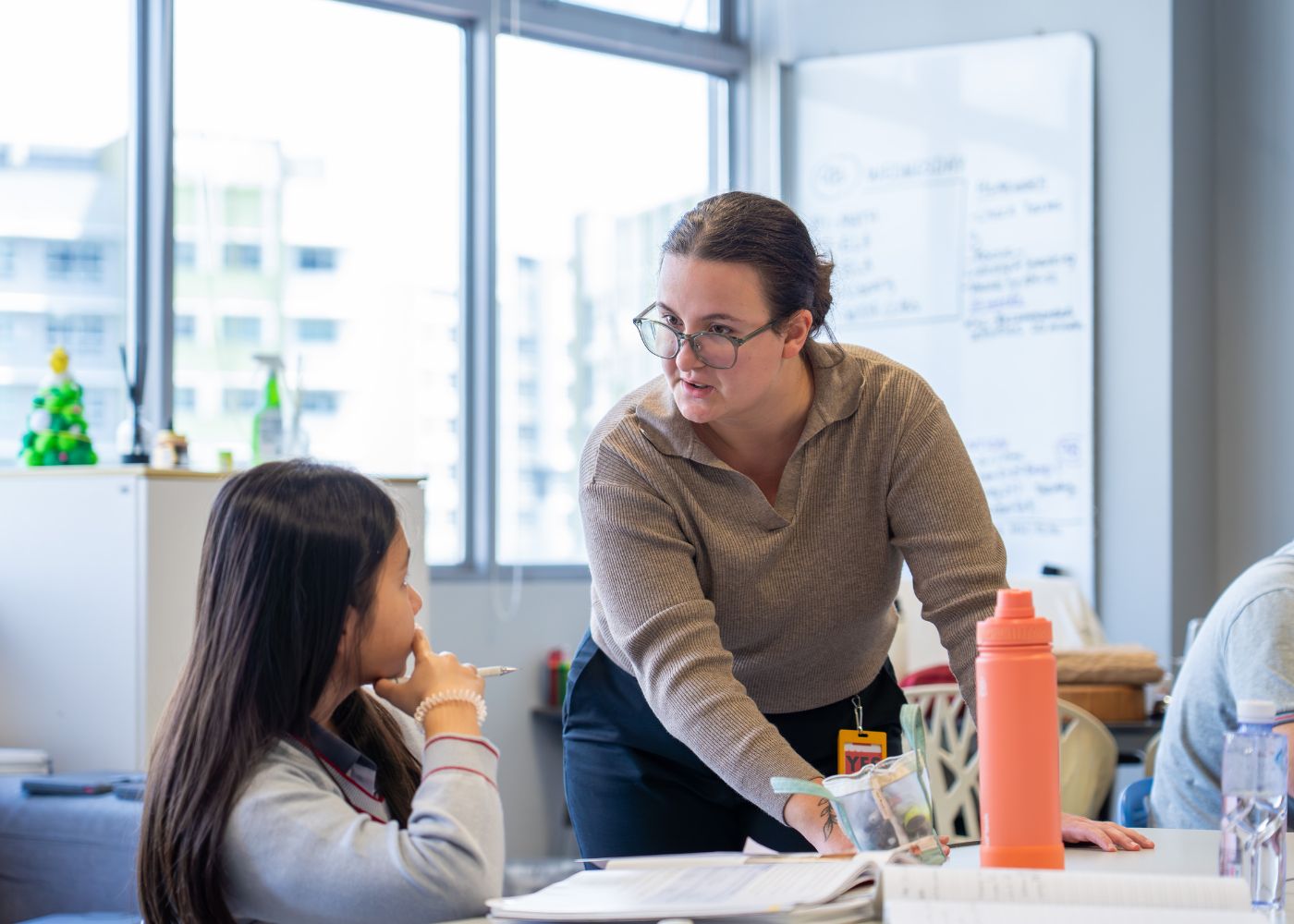
Social media, screen time, academic pressure, relocating to a new country – all these can have an effect on a student’s mental health and wellbeing. So, what are international schools doing to support their students? We take a look at how XCL World Academy uses technology to spot early signs and step in to help.
Mental health and wellbeing, especially among youths, are being taken more seriously in recent years. Being parents ourselves, it’s encouraging to see our children’s teachers getting involved in helping us support their wellbeing as well.
Our youths, and even little ones, can experience stress from many places. From separation anxiety in preschool, exposure of harmful content through social media, to the pressure from exams and even friendship issues. And if you’ve just moved to Singapore with your children, you’ve got to factor in possible loneliness and stress from relocation as well.
But it’s not all doom and gloom, as schools in Singapore – both local and international – have programmes and initiatives to support our children. Every school has a counselling department that’s ready to help, and many international schools have a buddy system to help new students adapt to their new environment.
There’s no denying that a human touch is important to supporting children’s mental health; but can technology play a part in supporting? XCL World Academy (XWA) believes digital tools like Komodo Wellbeing can add value for its student body and pastoral team. Scroll on to see what we found out from the school.
What role does technology play in supporting children’s mental health?
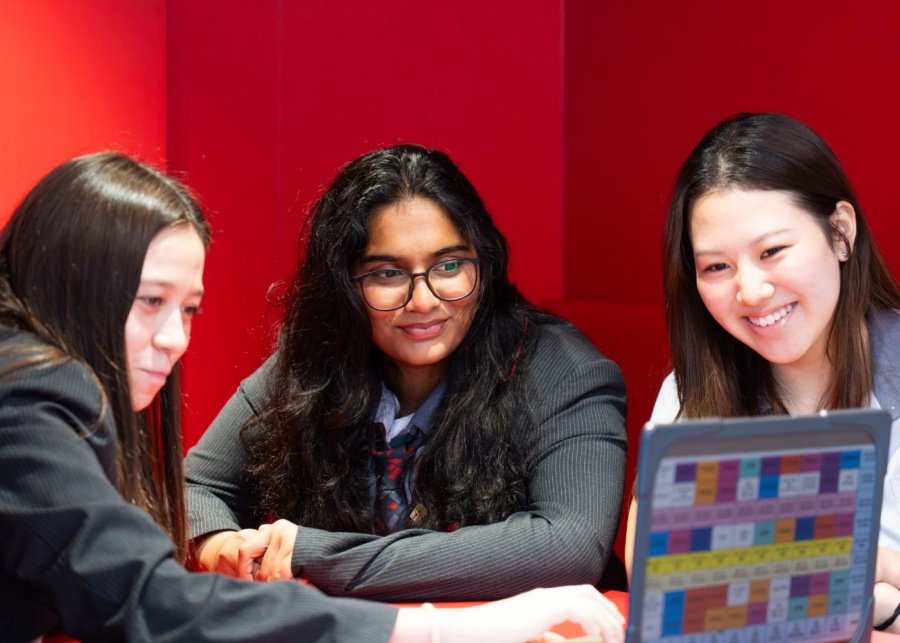
With close to 1,000 students in its school, checking in with each student on a regular basis can be a time consuming task. On top of that, we’ve got to bear in mind that not all students feel comfortable sharing about their personal challenges.
This is where XWA’s partnership with Komodo Wellbeing comes in. The school harnesses the power of technology to collect data on students’ emotional wellbeing. Students are sent age-appropriate wellbeing check-ins regularly. The responses are collated and presented in the form of actionable insights for the school’s pastoral team, who will then make the necessary recommendations, or interventions if required.
This way, XWA ensures that every student’s mental health and wellbeing is accounted for and no one gets left out.
Here’s the important bit: technology is only meant to support, not replace human touch in wellbeing matters.
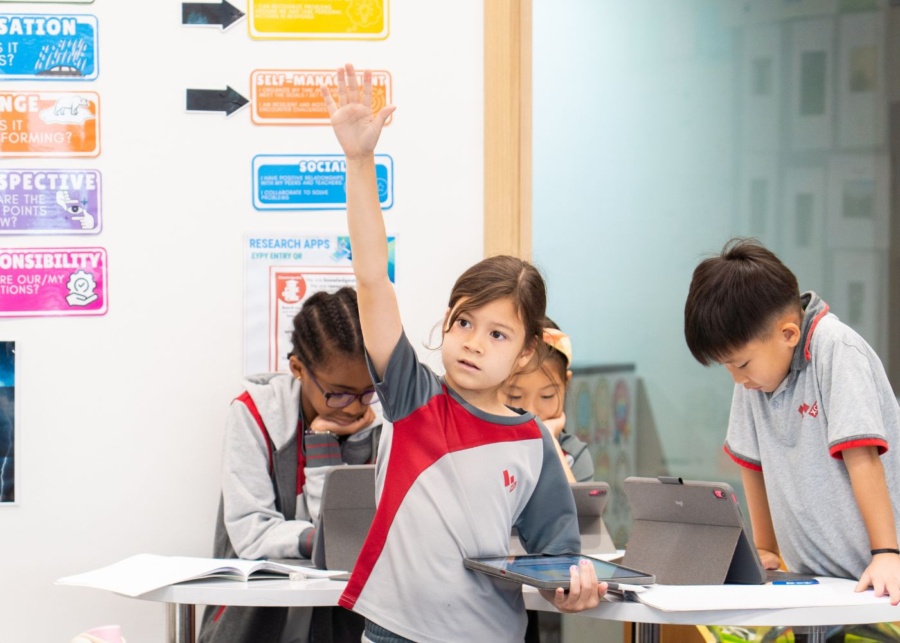
Rather than replacing teacher or counsellor-and-student interaction, this use of technology in safeguarding students’ wellbeing is only meant as a form of support to help the school spot early signs that might otherwise go unnoticed. It’s never intended to replace the relationship between a safe adult and a child, nor professional judgment by a trained pastoral care provider.
The school’s Dean of Student Life and Safeguarding for Early Years and Primary Years, Sreedharan Viajaymohan, shared an example with us, “There was a student who requested an in-person check-in through the system, and they usually never spoke up in class. This prompted their teacher to follow up, who found that the student actually needed more homework support.”
In this case, we can see that a prompt in the system was followed up by an educator, who immediately checked in with the student in person. Using her experience and experience as a teacher, they then recommended the appropriate next steps to help the student.
Technology allows teachers and counsellors to be more proactive with students’ mental health and wellbeing
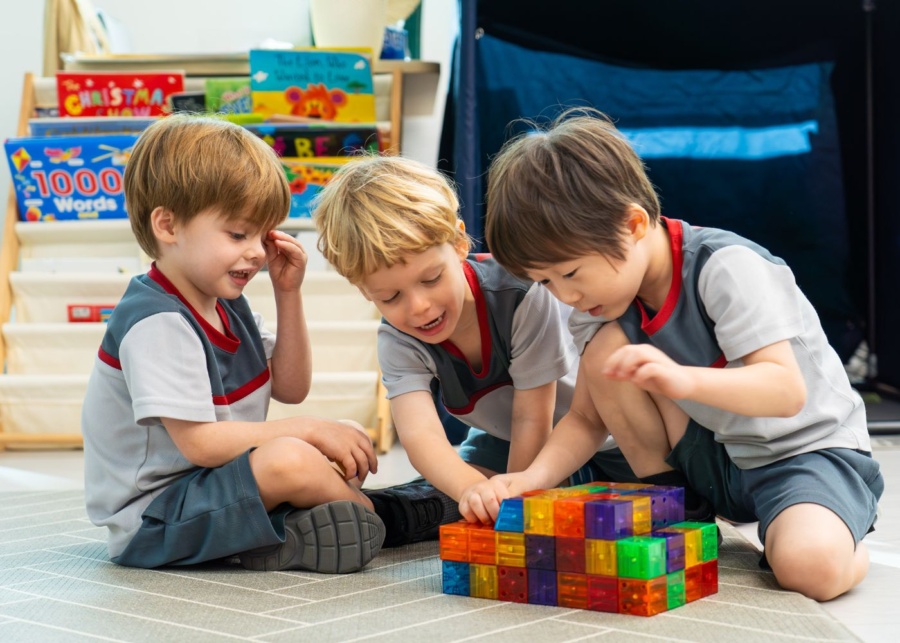
According to XWA, being proactive with student wellbeing gives the school the advantage of identifying issues that students are currently facing before they spiral into larger challenges. As prevention is better than cure, spotting these signs early allows teachers and parents to work together to offer appropriate support to students as soon as possible. This minimises the possibility of serious physical, mental, and emotional harm.
To quote Sreedharan, “Meaningful learning cannot truly happen if a child doesn’t feel safe, comfortable, or feel that they belong.” And that’s why safeguarding every student’s mental health and wellbeing is extremely important if schools want to see them succeed, be it academically or in life beyond school. XWA understands this, and views wellbeing as part and parcel of the schooling experience.
Check out the school’s website to learn more about how the school integrates wellbeing initiatives into every student’s school day. Alternatively, you can book a tour to see it for yourselves.
This post is in partnership with XCL World Academy.