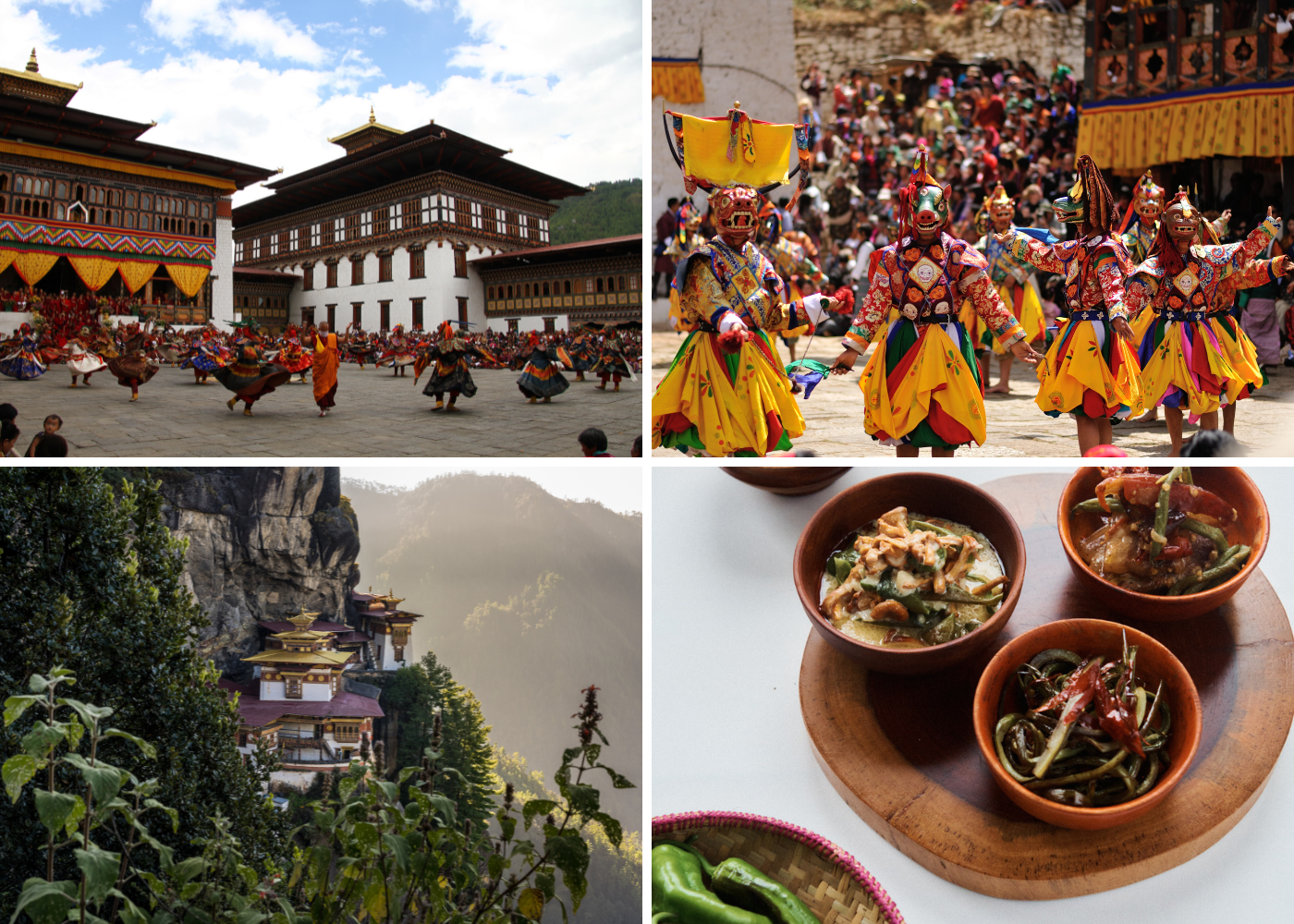
Looking for a fresh holiday adventure with the kids? Escape to Bhutan, the Land of the Thunder Dragon! Here’s everything you need to know about getting from Singapore to Bhutan: visa requirements, best time to visit, places to stay, things to do, and more!
Always wanted to know how to travel from Singapore to Bhutan? If you feel like your family holidays are getting repetitive, consider trading the familiar beaches of Asia for a mystical kingdom where happiness is a way of life! Here’s everything to know about Bhutan, the Land of the Thunder Dragon, with its stunning landscapes, rich culture, and a unique blend of tradition and modernity.
Bhutan is known locally as “Druk Yul”, nestled between Tibet and India. Often called “The Last Shangri-La,” Bhutan is known for its strict tourism policies that preserve its culture and environment – in the past, the country had a tourist cap of 65,000 tourists a year and a hefty ‘sustainable development fee’ of US$200 daily per traveller. However, Bhutan is becoming more accessible. With new initiatives and discounts rolled out, especially for families, it’s become easier than ever for families to travel from Singapore to Bhutan and explore its wonders without breaking the bank.
We’ve got all the deets on securing visas before traveling to Bhutan, when to go, where to stay and more.
Family-friendly holiday guide to Bhutan
Click below to read more:
Some facts about Bhutan
Travel requirements: What do you need to know?
How to travel to Bhutan
When to visit Bhutan
Where to stay in Bhutan
Transportation options within Bhutan
Family-friendly things to do in Bhutan
What to eat in Bhutan
Practical advice and what to pack
Some facts about Bhutan for families
Bhutan, a land of diverse languages and rich culture, primarily speaks Dzongkha, though you’ll hear 19 different languages, including English. This predominantly Buddhist nation operates under a democratic constitutional monarchy. The currency, Ngultrum (BTN/nu), is pegged to the Indian Rupee, with cash being the preferred transaction method, although the goBoB app and credit cards are also widely accepted.
Did you know that Bhutan is the only carbon-negative country in the world? The constitution mandates that at least 60% of the country has to be under forest cover. Right now, about 70% of the country is covered by forests. The Kingdom is undoubtedly one of the greenest countries in the world. It’s important to respect the environment and travel sustainably while you’re there.
Travel requirements in Bhutan: What you need to know
As Singaporeans, we’re spoiled with one of the most powerful passports in the world. Usually, jetting off on holiday is a breeze with hardly any visa hassles. But when it comes to Bhutan, there’s a bit more to it. Don’t worry – the little paperwork is worth it for the enchanting adventure that awaits you and the kids! Take note of these requirements.
Applying for a visa before travelling to Bhutan
All visitors require a visa before travelling to Bhutan (except those from India, Bangladesh and the Maldives). You can apply online for a visa or permit for US$40 per person. If you’re travelling with a tour operator or staying at a hotel, they can apply on your behalf. You can apply for yourself and anyone you’re travelling with, so long as you have the required information for each person travelling.
Singapore passport holders require a valid visa before travelling to Bhutan. You must book your holiday through a Bhutanese tour operator or one of their international partners, who will make the necessary visa arrangements. Passports should have at least six months of validity from arrival in Bhutan.
Take note of all the documents you need before you begin the application for you and your family:
- A digital copy of a valid passport
- A recent digital passport photo
- Arrival and departure dates
- Valid travel insurance for the duration of your travel
- A valid bank card or credit card
- Sign the Pledge of Friendship to commit to protecting and preserving Bhutan
Sustainable Development Fee
You must pay the Sustainable Development Fee (SDF) of US$100 per day for the visa application process. There’s a 50% discount for kids aged six to 12 and it’s free for children under six. The SDF funds important programmes and projects that preserve Bhutanese cultural traditions, protect their heritage and environment, upgrade infrastructure, and create opportunities for young Bhutanese.
If you and your family are Indian nationals, note that you need a permit instead of a visa, and your SDF is 1,200 Rupees/Ngultrums per day, with similar discounts for the kiddos.
How to travel from Singapore to Bhutan with the family
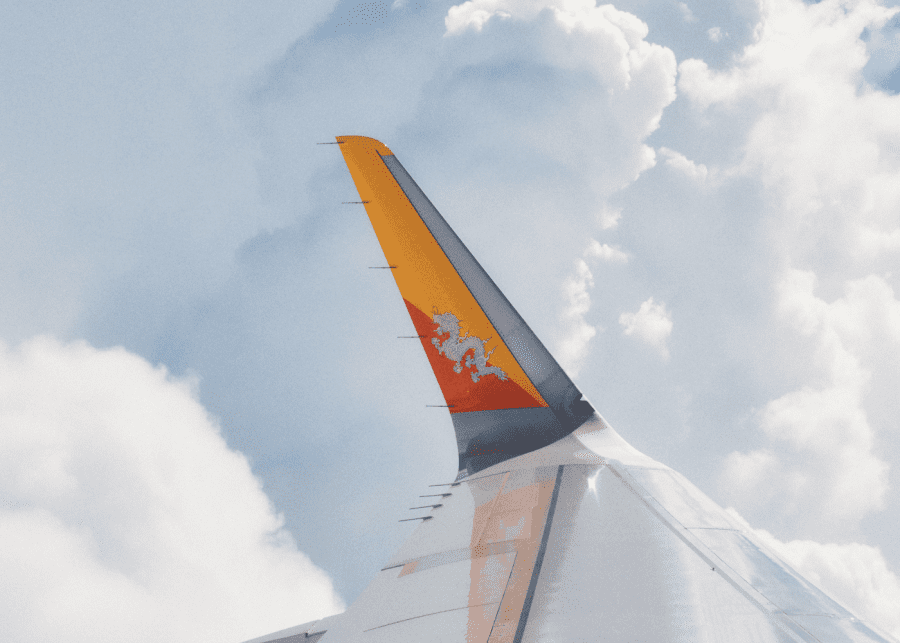
Now that you’ve got your paperwork sorted, you can rest easy when it’s time to jet set and enter this mystical kingdom! The flight time from Singapore to Bhutan is about 6 hours 15 minutes.
Bhutan has two airlines: Drukair and Bhutan Airlines. DrukAir, the Royal Bhutan Airlines, has been offering convenient direct flights from Singapore to Bhutan’s Paro International Airport since 2012. Drukair flies from Singapore to Bhutan twice weekly, on Thursdays and Sundays. Return flights from Bhutan to Singapore are on Wednesdays and Saturdays.
The cost of a round-trip flight from Singapore to Bhutan and back starts at around S$1,500 per person (including baggage and taxes).
Best time to visit Bhutan with the family
Bhutan’s climate varies across three zones, from 150m to over 7,500m above sea level. The weather changes with altitude, creating distinct seasonal experiences. Each season offers unique weather and opportunities for you and the kiddos.
Spring (March to May)
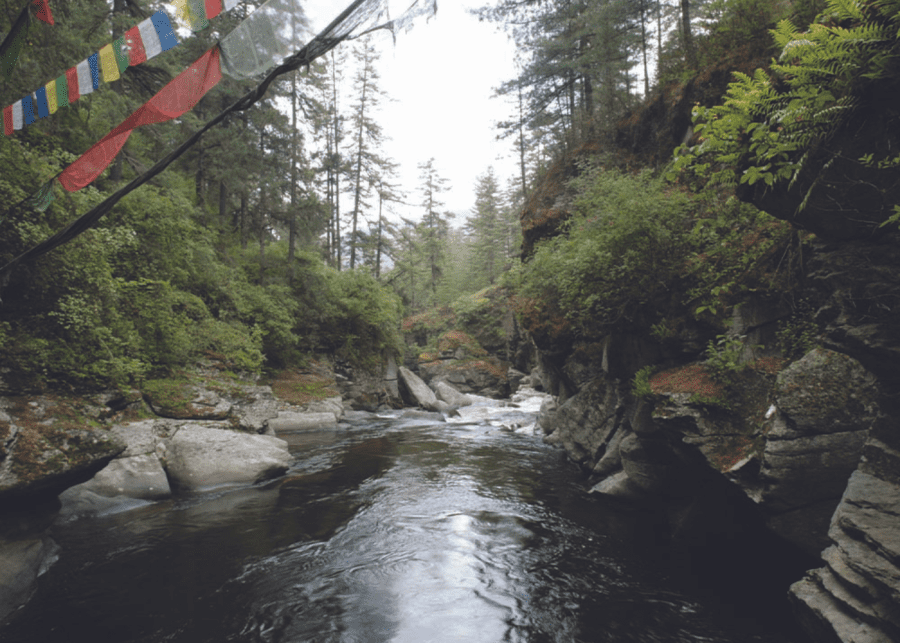
During Spring, you can expect hot and humid, typical subtropical weather in Bhutan’s southern regions. Meanwhile, central and northern areas (Thimphu, Paro, Bumthang) experience warm days, cool nights, and clear skies. Warmer weather can be felt in Punakha, Wangdue, Tsirang, and more. This season is ideal for high-altitude treks like Jhomolari, Dagala, and Druk Path. During this season, rhododendrons and wildflowers bloom, and wildlife emerges from winter hibernation, making it a perfect time for nature enthusiasts.
Summer (June to August)
From mid-June to early September, Bhutan experiences the southeast monsoon. This period offers a reprieve from the summer heat in the southern regions and aids farmers with seasonal rice cultivation. The southern areas receive the most rain, while the valleys like Thimphu and Paro get less due to the rain shadow effect. The landscape turns lush and green, but trekking becomes difficult as trails get wet and slippery.
Autumn (September to November)
From mid-September to November, Bhutan’s weather stabilises after the monsoon. Clear skies and warm autumn sun offer spectacular views of distant peaks. This period is ideal for trekking, with stable temperatures and accessible high passes. It’s the best time for treks like the Snowman, Dagala, Jhomolari, and Druk Path.
Winter (December to February)
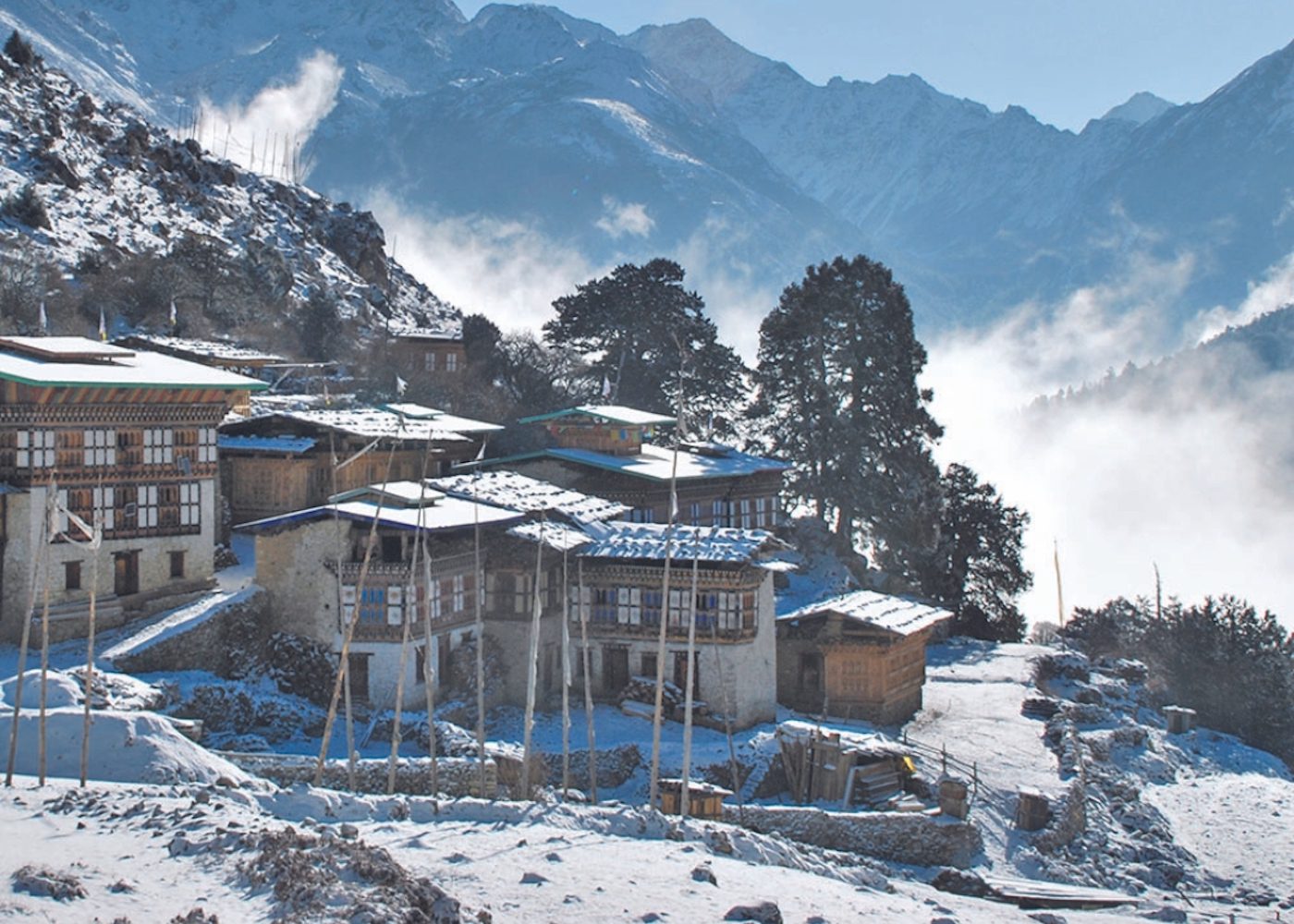
From December to February, nights are cold, and days are sunny with blue skies. Snow-capped peaks and occasional light snow dusting in valleys create a picturesque backdrop. High passes like Dochula, Pele La, and Chele La may experience snowfall, closing high-altitude treks. However, lower altitude areas such as Punakha, Wangdue, Tsirang, and Phuentsholing enjoy a pleasant climate, perfect for low-altitude winter treks like Samtegang and Nabji Korphu.
Where to stay in Bhutan with family
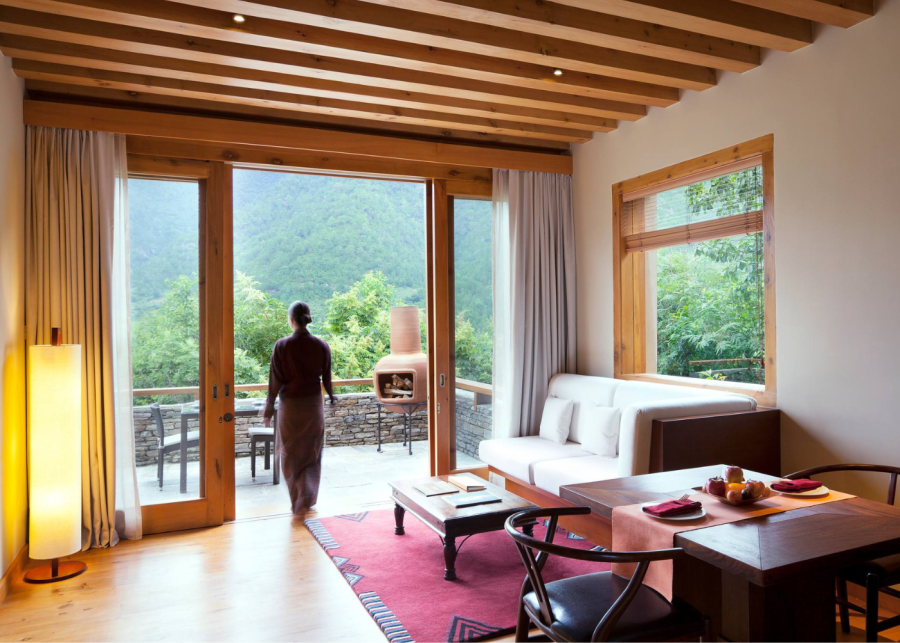
Looking for family-friendly accommodations in Bhutan, especially near festival locations? All visitors must lodge in Department of Tourism-certified hotels and guest houses. Options range from luxurious five-star hotels to charming homestays in Bhutanese atmospheres.
Hotels
Ranging from three- to five-star luxury options, hotels like Hotel Druk and Le Méridien Thimphu in Thimphu offer comfortable stays with amenities like extra beds or interconnected rooms for families. Some highly recommended family hotels also include COMO Uma Paro, Zhiwa Ling Heritage, Dhensa Boutique Resort and RKPO Green Resort.
Guesthouses
These are more affordable and offer a homely atmosphere, perfect for families looking to experience local hospitality while staying within budget.
Farm stays
For a deeper immersion into the traditional Bhutanese lifestyle, farm stays provide an authentic experience amidst rural settings, often including opportunities for cultural interactions and local activities.
Transportation options within Bhutan
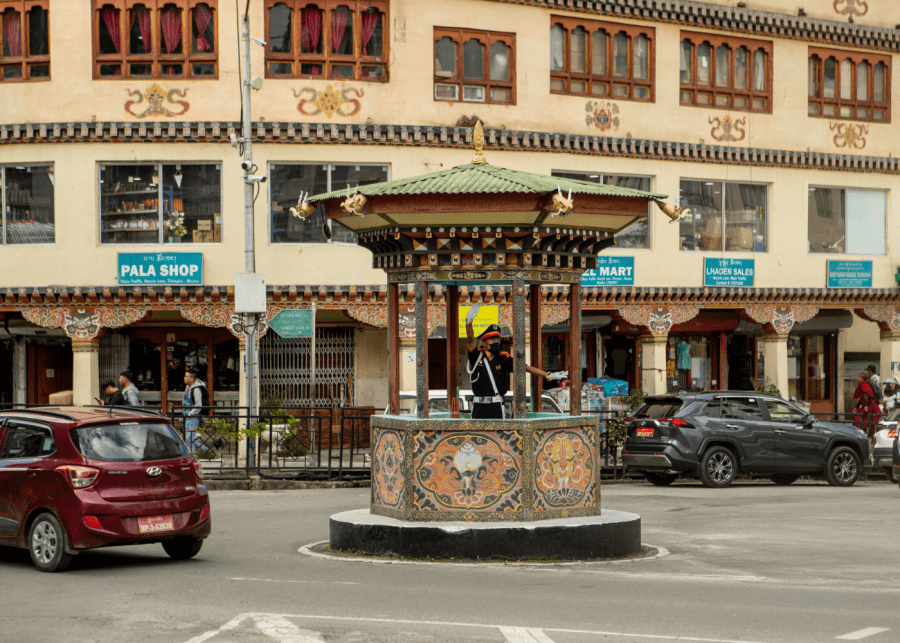
The most convenient way to travel in Bhutan is to hire a vehicle and driver from a car rental company or a tourism service provider such as a Bhutanese Tour Operator. It is not possible to hire a self-drive vehicle in Bhutan. Your hotel may also be able to provide or arrange transport for you. If you are travelling with a tour operator, your transport will be arranged for you.
Domestic flights are often the fastest way to travel longer distances within Bhutan. Domestic airports operate flights to and from Yonphula in eastern Bhutan, Bumthang in central Bhutan, and Gelephu in south-central Bhutan. Helicopter services can be arranged for special itineraries. For more information about helicopter services, visit Royal Bhutan Helicopter Services or contact your travel partner.
Family-friendly things to do in Bhutan
Bhutan offers a range of family-friendly activities that combine adventure, culture, and natural beauty. Here are some wonderful things to do with kids on your trip to Bhutan:
1. Visit ancient dzongs
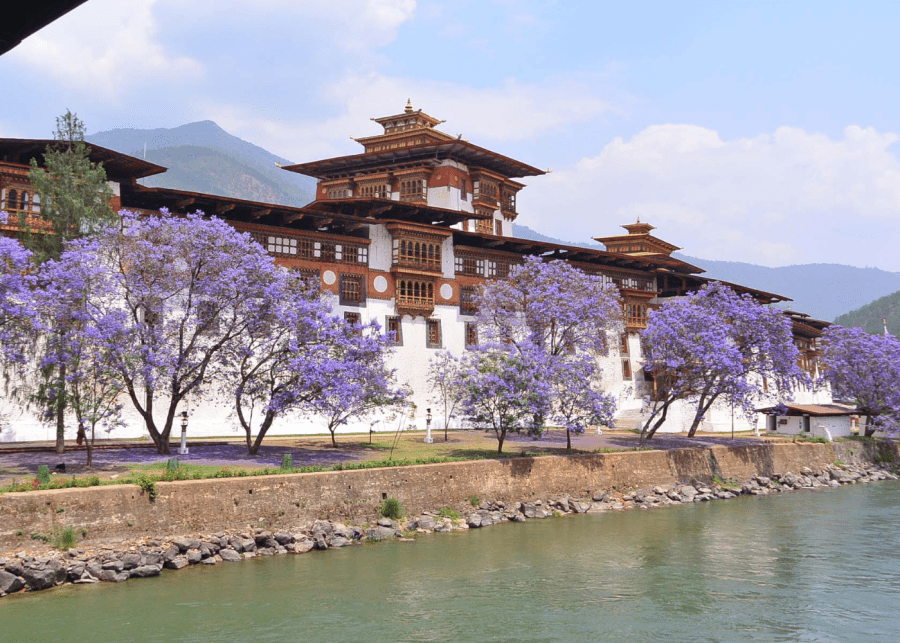
Explore Bhutan’s majestic fortresses, known as Dzongs, which often host vibrant festivals and offer a glimpse into the country’s rich history and architecture.
2. Attend festivals
Experience traditional Bhutanese festivals such as the Paro Tsechu or Thimphu Tshechu, where families can witness colourful mask dances and cultural performances and enjoy the local cuisine.
3. Hike to Tiger’s Nest Monastery (Taktsang Palphug)
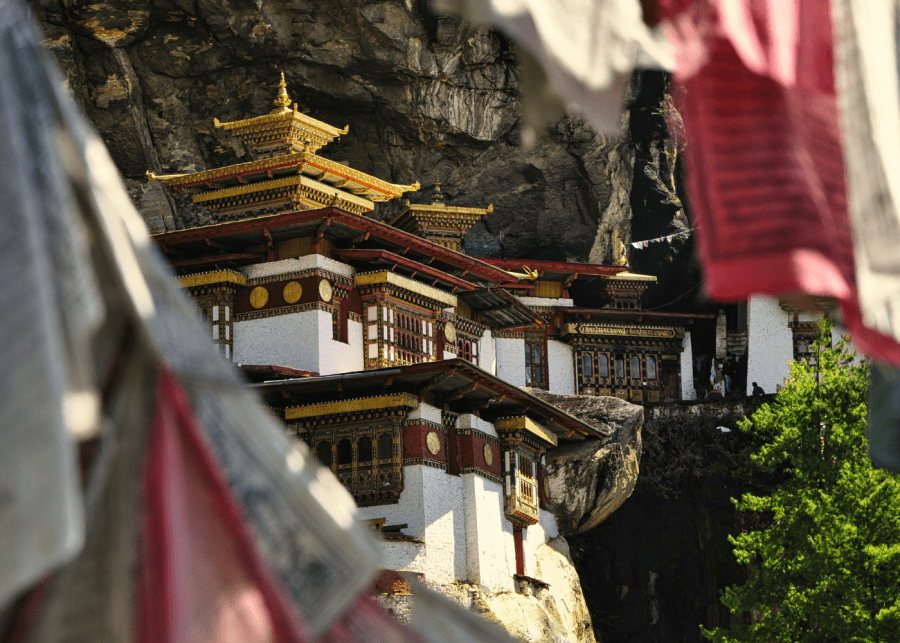
Trek to this iconic monastery perched on a cliffside. It offers stunning views and a sense of adventure for older kids who enjoy hiking (younger ones can ride horses for part of the way).
4. Learn archery
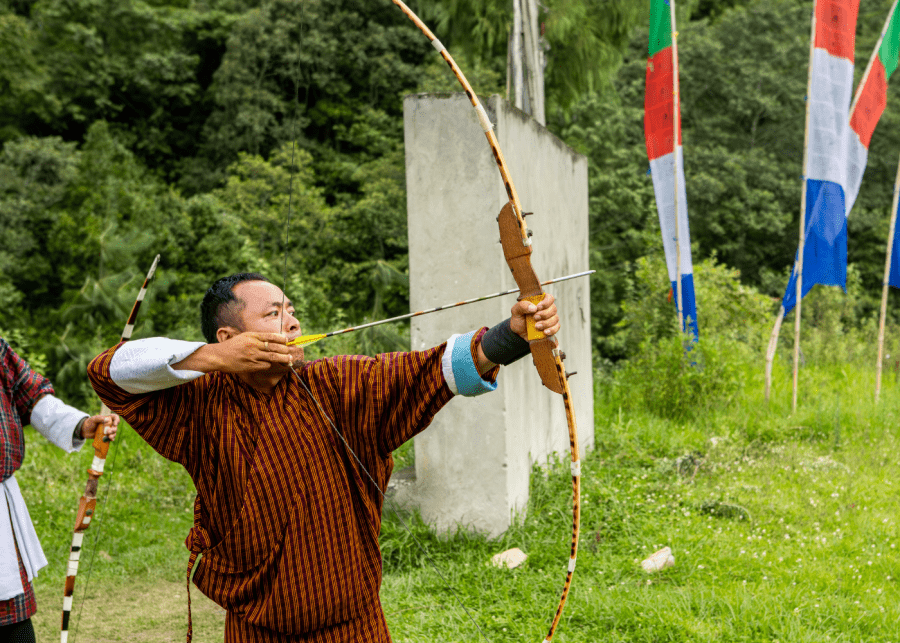
Participate in archery, Bhutan’s national sport, at local ranges or even with lessons. It’s a fun way to engage in a cultural activity together.
5. Wildlife encounters
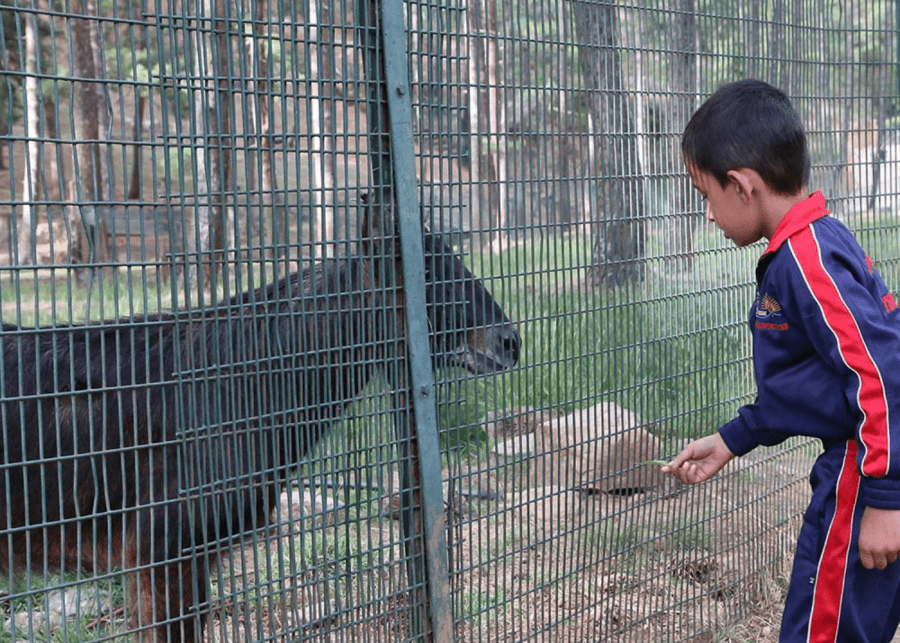
Visit wildlife sanctuaries like the Motithang Takin Preserve in Thimphu to see the unique Takin, Bhutan’s national animal, and other native wildlife.
6. Explore Bhutanese villages
Take leisurely walks or short hikes through traditional Bhutanese villages, interacting with locals and experiencing their way of life.
7. Rafting adventures
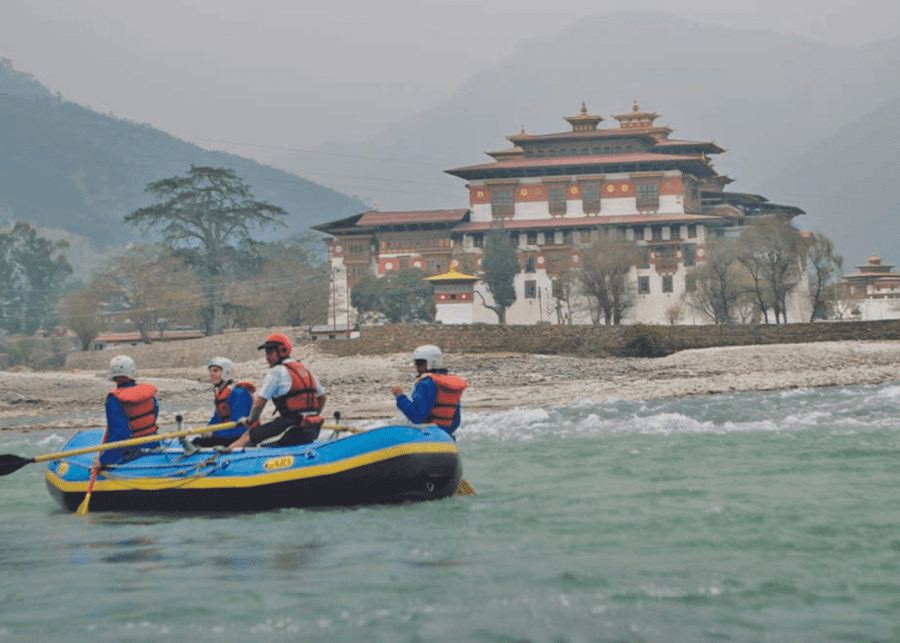
Enjoy family-friendly rafting trips on Bhutan’s rivers, such as the Mo Chhu or Pho Chhu in Punakha. The calm waters are suitable for children and offer scenic views.
8. Craft workshops
Participate in traditional Bhutanese craft workshops, such as painting mandalas or weaving, which offer hands-on experiences and insights into local artisanal traditions.
9. Cooking classes
Learn to cook Bhutanese dishes together as a family, discovering local ingredients and flavours under the guidance of experienced chefs.
10. Stroll through markets
Wander through local markets in towns like Thimphu or Paro, where families can sample local snacks, shop for souvenirs, and observe daily life.
What to eat in Bhutan
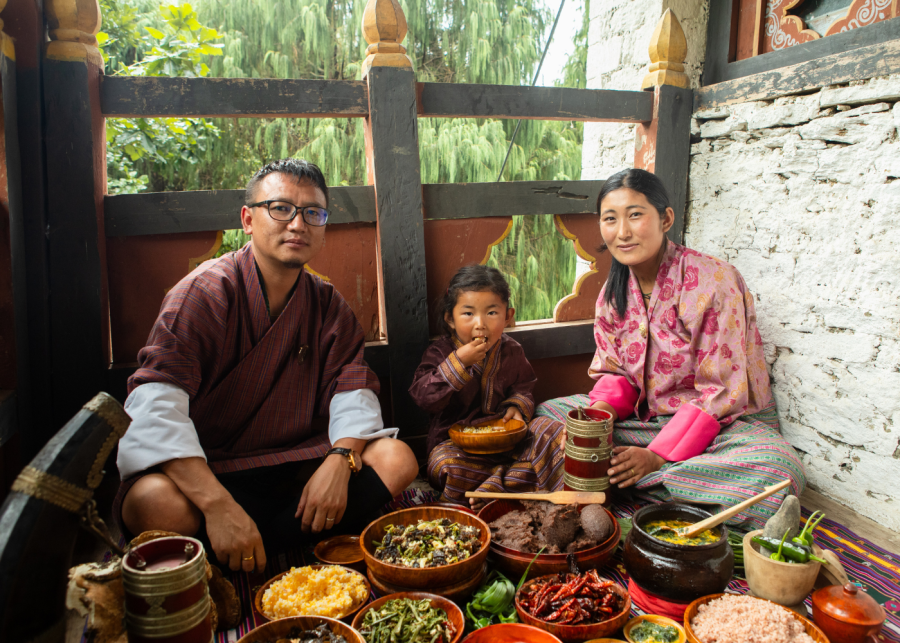
Bhutanese cuisine is a delightful mix of spicy, savoury, and tangy flavours for the whole family. The food is made with local ingredients like red rice, yak meat, and buckwheat and seasoned with chillies, ginger, garlic, and other spices. It’s a tasty and healthy way to introduce your family to new flavours while spending quality time together. Don’t miss trying out dishes such as ema datshi, a spicy chilli and cheese dish that’s a Bhutanese staple, momos, delicious dumplings filled with meat or vegetables and paksha paa, a flavourful pork dish cooked with radish.
Things to note and recommended packing list for families travelling to Bhutan
There are no rules about what visitors should wear. However, if you plan to visit places of religious significance, respectful, smart-casual clothing that covers your body from shoulders to knees is appropriate and appreciated. Note that what you pack will depend on the season you’re visiting, too. Here’s what we think will be useful:
Recommended packing list:
- Hiking shoes
- Clothes appropriate to hike in (a light sports jacket if you’re hiking to Tiger’s Nest)
- Warm clothes, including jackets/coats for colder mornings and nights
- Hat and sunscreen (the skies are clear on sunny days with direct sun rays)
- Clothes appropriate for a temple (covered shoulders/knees)
- Waterproof coats, raincoats
Are you all set to plan your next family trip to Bhutan? We hope you found this guide to the enchanting kingdom useful! Thank you to Bhutan Believe and Petrie PR for providing us with useful information on Bhutan.