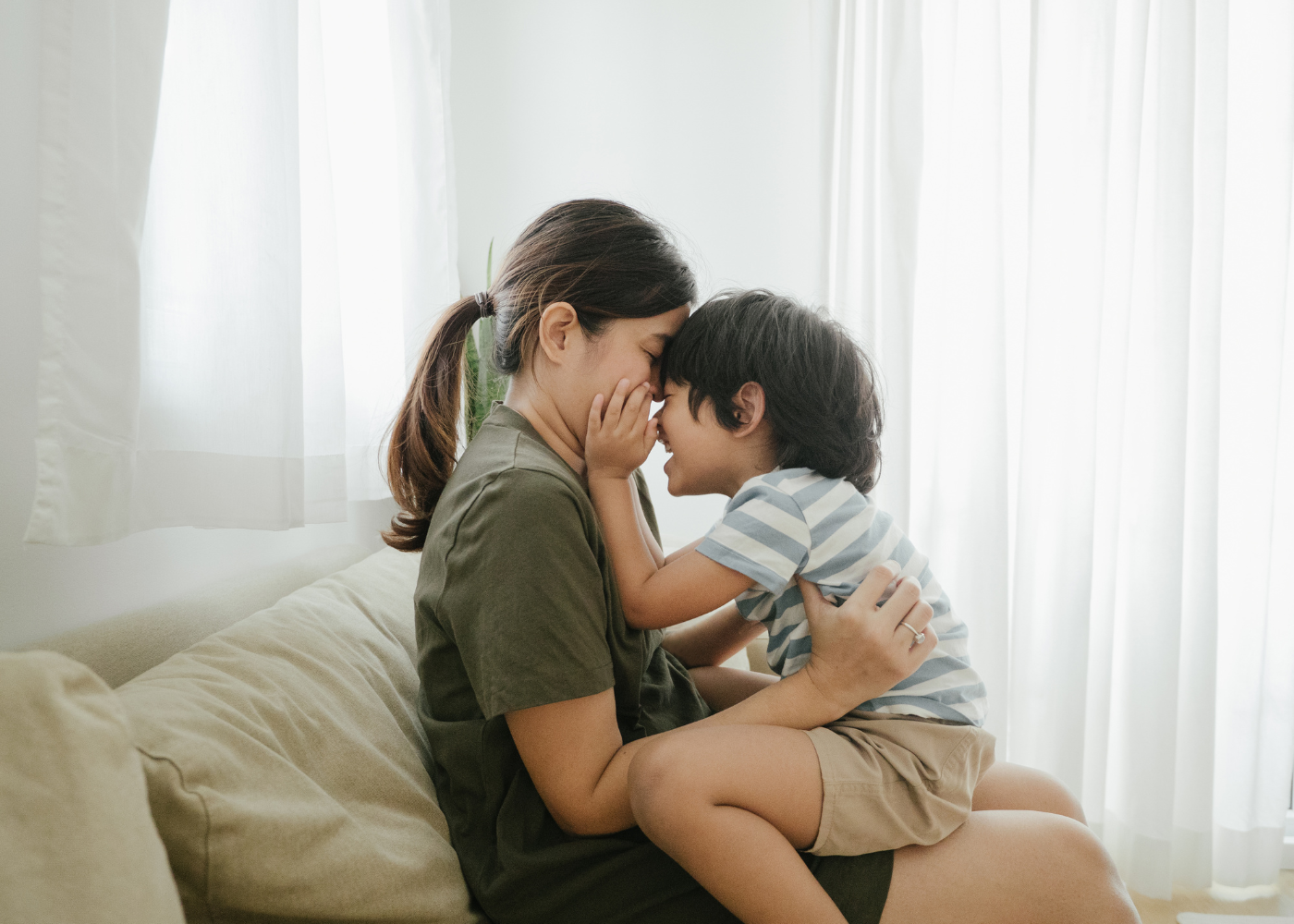
Parents have very polarising views on gentle parenting especially in Singapore. Does it really work? Read on to learn more, including opinions from our very own HoneyKids mums!
As a Gen Z who grew up in the late 90s with parents who were not afraid to bring out the rotan, I’ve always wondered what it’s like for the kiddos of today. That’s when I first came across the term ‘gentle parenting’ and it almost sounded too good to be true. Is it really effective? How do you even do it? Where’s the fine line between gentle parenting and spoiling the kids? If these questions sound familiar, read on as we take a deep dive into understanding this new-fangled parenting style, as well as hear from our HoneyKids mums on what they think about it.
What is gentle parenting?

According to the National Library of Medicine, gentle parenting is “an approach that pivots away from older, discipline-heavy parenting typologies and which promises the development of happier, healthier children.” It’s been on the rise as the newer generation of parents, who were under the more discipline-heavy parenting style, are trying to ‘break the cycle’. Some examples that you might have come across could be the ideology of not using the word ‘no’ around them, offering them alternative choices when they throw a tantrum, and validating their feelings. Essentially, it’s about treating them as equals and having effective communication with them while setting boundaries.
For me, it took many, many years – I was well into my twenties when I finally felt like my parents treated me as an equal. If you want to have a healthy relationship with your kids that lasts, remember to listen to them with respect and make them feel heard as well. It’s something that a lot of kids crave from their parents – of course, within reason. Respect and trust go both ways, and the same should apply to kids!
How effective is gentle parenting?

As always, parenting styles play out differently for each family. Its effectiveness depends on how your little ones respond to it. For example, do they actually respect the boundaries you’ve placed? Some kiddos might find it hard to understand the concept (and if we’re being honest, some adults don’t get it either) – nobody knows the next step when they don’t respond well to it. Psychologist Emily Edlynn from Psychology Today recounts attempting to get her four-year-old to put on his shoes by gently telling him. In which he responded by punching her leg and running off. Kids, gotta love em!
Now, what about in a Singaporean context? In the land of tiger mums and using the rotan, the newer generation of Singapore parents must be more inclined to try this new style of parenting. But the first step is learning not to repeat the same parenting style they grew up with – and it’s definitely the hardest step. How well parents can do this step also plays a big role in how effective their gentle parenting will be.
When observing some of the parents in Singapore today, gentle parenting may still have a long way to go. I still see some mums yelling and dragging their kids who refuse to cooperate in public – which is definitely not okay. But then I’ve also noticed online that many parents are trying their best to be gentle parents, which is a great sign as long as they’re actually doing gentle parenting and not ‘permissive’ parenting.
Impact of gentle parenting on parents and their kids: Is it worth it?
Practicing gentle parenting will take a toll on you, parents. Having to constantly be in check of your emotions and remaining calm no matter what chaos goes on in the house is exhausting. I may not be a parent, but trust me – having to be the calm and rational one as a child when you have two hot-headed parents has a similar effect. I’ve seen many videos online where parents try gentle parenting and give up after 10 minutes of their child screaming, followed by dragging them out of a supermarket. It takes a lot of patience, people!
Now, a common misconception is that gentle parenting equals passive parenting, a.k.a letting go completely and letting your kid ‘just be a kid’ without explaining rules, conduct or consequences. This is equally as bad as overly controlling and strict parents, and breeds kids who don’t respect authority or respect rules. Gentle parenting still involves being firm, enforcing rules, and saying no when necessary – just in a way that’s more warm and calm.
Gentle parenting: yay or nay?
There is no definitive answer, but there are definitely takeaways from learning about gentle parenting. It’s about striking a balance – remember to also take care of yourselves, parents. If the gentle approach isn’t working, pivoting to a more traditional approach is okay – that doesn’t make you a ‘bad’ parent. A more balanced approach is the key to sustainable parenting and a healthier family bond. There is no one-size-fits-all approach to parenting, as we all know, so it’s important to be flexible and open-minded. But enough from me, let’s hear what actual moms have to say.
What our HoneyKids mums think about gentle parenting
Who better to ask about gentle parenting than our super-insightful HoneyKids Mums! Here’s what they have to say about the gentle parenting approach.

“Gentle parenting is not about being nice to the kids; it’s about being kind. The most common thing that people don’t do in Gentle Parenting is set firm boundaries and stick to them. Or they have too many ‘rules.’ Personally, I have three rules: my child is safe, they’re in a safe environment, and what they’re doing isn’t against the law. Lastly, expecting to speak rationally to a child when both parties have blown their tops isn’t realistic. Talks come before or after when the lid is not flipped. But you can catch it before the lid flips. Help the child notice the triggers and teach them how to redirect. So the parent must first know the triggers, too.” – Andrina, mum of a teenager
 “Gentle parenting centres around respect. By showing respect to your child and being mindful of their feelings, they learn to respect you in return, and you can set boundaries around when they are not showing you that mutual respect. It makes it easier to give them examples of how to act when you use incidents from real life. For me, gentle parenting is about involving the kids in the decision-making process and explaining why things are a certain way, and also being flexible when they present another opinion.” – Amanda, mum of three

“I think gentle parenting got a bad rep from people misunderstanding it – like those who think they’re doing gentle parenting when instead they’re doing permissive parenting. Gentle parenting isn’t about not saying no; it’s about treating the child with the respect as any individual your age. We (especially in Asian cultures) tend to see children as “lesser” than us because they lack maturity and are “less capable”. But not having the same level of skill sets as an adult doesn’t mean we don’t have to respect them.
I see gentle parenting as unlearning this perception of children. Gentle parenting is giving children the agency to make age-appropriate decisions. Gentle parenting is respecting children’s coherent reasoning and choices.” – Esther, mum of three
Parents, remember to be gentle on yourself, too!