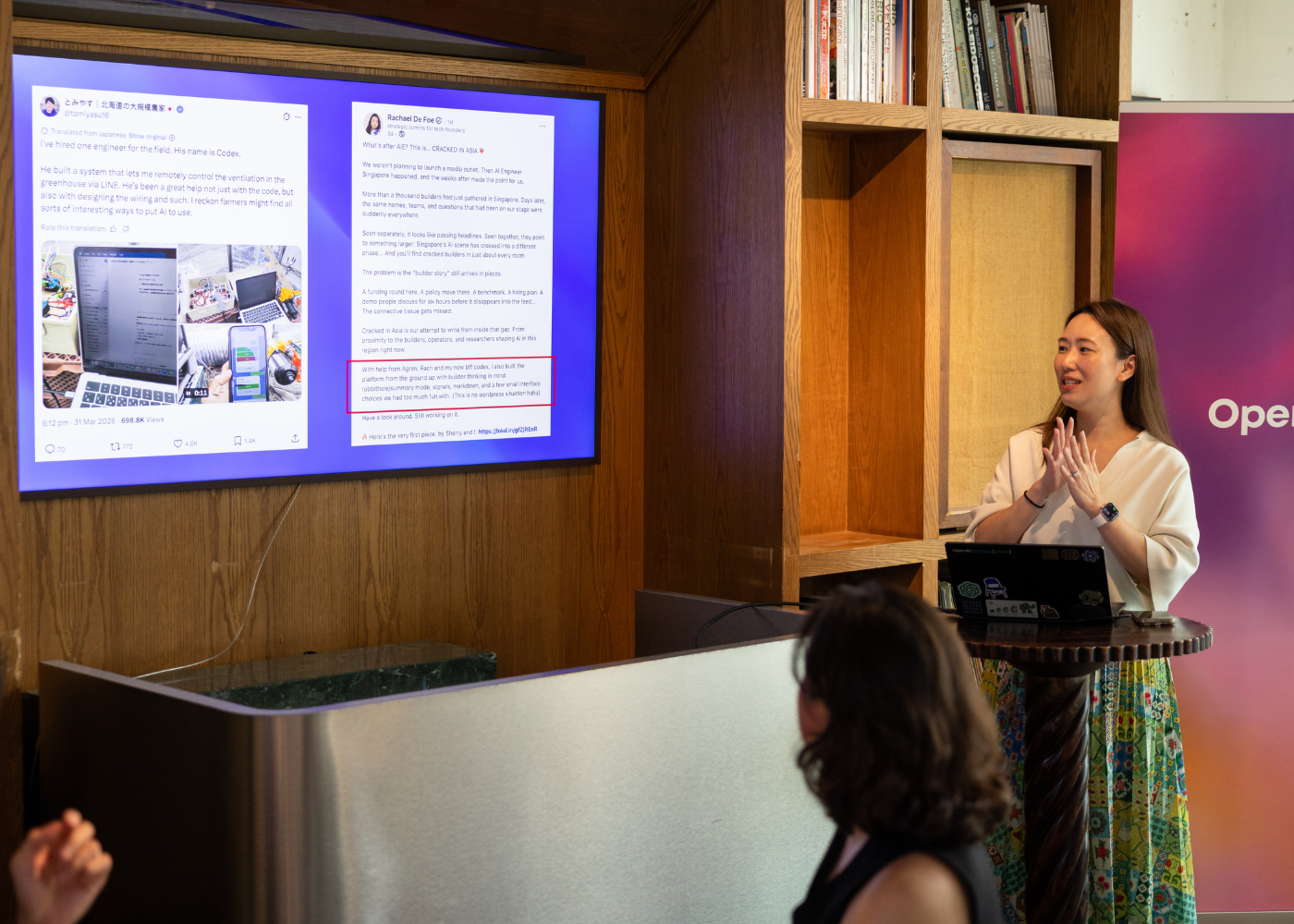
A mum who works at OpenAI on curiosity, safeguards and the conversations no AI can have for you.
My son recently turned two. Most of our big conversations right now are about snacks, toy cars and whether he gets to press the lift button by himself.
He’s not asking me about artificial intelligence. But he is asking questions constantly, the way toddlers do. He observes, mimics, and asks for the same thing again and again until the world starts to make sense. He is curious before he is cautious.
Maybe that’s why, even at two, I’ve started thinking about what it means to raise a child in the age of AI. My son will never experience AI as something new. By the time he’s old enough to use it himself, it may feel as ordinary as the phone he already recognises in my hand today. As a parent, that thought is both exciting and daunting.
I work at OpenAI, so I’m sometimes asked how parents should approach AI. Should we be worried? Should we let our children use it? Will it make them less creative, or school too easy? These are fair questions. As parents, we’re right to care about safety, privacy, screen time and whether children are still learning to think for themselves. But as a mum, I don’t want to raise my son to be afraid of tools that could help him learn, create and stretch his imagination.
The question for me is not whether he will encounter AI. He will. The question is how I help him grow up with the judgement to use it well.
Curiosity feels like a good place to start
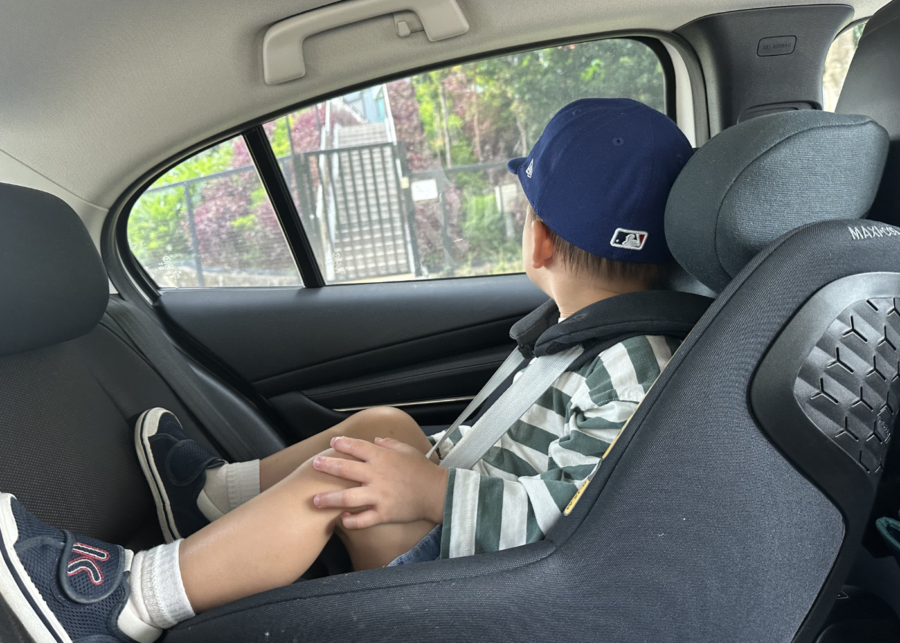
Every time I drop my son at school, I say: “Be kind, be good, be curious.” He may not fully understand it yet, but I want curiosity to feel natural to him. That instinct to explore, discover and ask why.
In a world increasingly shaped by AI, curiosity will matter more, not less. When answers become easier to find, the ability to ask a good question becomes even more important. A close colleague and fellow parent once put it this way: as AI tools become more intelligent, problem-solving may increasingly look like problem-framing. Not just finding an answer, but understanding the problem properly in the first place.
If my son one day asks an AI tool how his school could reduce food waste, it might quickly suggest posters reminding students not to waste food. But the more useful questions come first. Why is food being thrown away? Are portions too large? Are children not liking what they’re given? That is the skill I hope he builds over time.
I don’t want him to see technology as something magical that always knows best. Nor do I want him to fear it. I want him to feel confident using it, while understanding that a polished answer is not always a complete answer, and that convenience should not replace thought.
Safeguards matter, but they are not the whole answer

As someone who works in AI and is also a mum, I believe companies building these tools have a responsibility to make them safe for families.
At OpenAI, ChatGPT is not intended for children under 13, and teens aged 13 to 18 are required to have parental consent. Parents and teens can link accounts and manage settings including quiet hours, sensitive content, voice mode and image generation. ChatGPT also uses age prediction to identify users who may be under 18, automatically applying additional safeguards for a safer, age-appropriate experience.
These safeguards matter to me, professionally and personally. I see them as a starting point: a way to give parents more control, while having the bigger conversation at home. Because no setting can replace the conversations I’ll eventually need to have with my son.
When he begins to use AI, it may mean sitting beside him and asking: “What do you think of this answer?” or “How would you explain this in your own words?” When he becomes a teenager, the questions go deeper: what counts as help, and when should you trust your own voice?
UNICEF’s guidance for parents made a point that stayed with me: conversations about AI work best when they begin with openness rather than rules, because concerns about AI often connect to wider questions about a child’s learning, wellbeing and relationships. AI may be the topic on the surface. The deeper conversation is still about trust.
There are things AI cannot teach my son

I’ve found AI genuinely helpful as a parent. I’ve used it to create more structure around juggling work and childcare, or simply to think things through. Sometimes parenting means responding when we’re tired, emotional or unsure. Used well, AI can help a parent pause, reflect and communicate more clearly. But only if we remember what it is, and what it isn’t. A sounding board. Not the parent.
AI can explain many things, but it cannot teach my son what it feels like to be loved. It cannot teach patience in the middle of a tantrum, courage on the first day of school, or empathy when another child is crying. It cannot replace the warmth of a parent who is present.
AI may change the tools our children use, and how they learn, create and work. But it does not change what children need from us. They still need boundaries, values and adults who listen, guide and stay close.
My son and I are not having big conversations about AI yet. I’m still negotiating how many cheese sticks he can have and figuring out how to respond to his “no” phase. But I hope we’re slowly building the foundations that will matter later. Curiosity. Confidence. Kindness.
One day he may ask an AI tool to explain something to him. I hope he does. And when that day comes, I don’t want to be standing outside the conversation because I didn’t understand the technology shaping his world. I want to be in it with him. Not as an expert with all the answers, but as his mum, curious and learning alongside him.