An arts education – be it in drama, music, or visual arts – is often regarded as a ‘good to have’. This isn’t the case at Tanglin Trust School, where creative arts is an essential part of every child’s school life. The school’s Head of Arts Faculty, Richie Baxter, explains why.
What comes to mind when you think about drama, music, and visual arts in school? Most of us are accustomed to seeing these as co-curricular activities (CCAs) for children who are interested or artistically gifted; or an ‘extra’ subject that holds little academic value. Programmes in the creative arts also tend to take a backseat compared to subjects like maths and the sciences.
However, more educators are starting to see the value that an arts education adds to a child’s development – both academically and socio-emotionally. For example, Tanglin Trust School has always incorporated the arts into school life, regarding it as “an essential part of a holistic education”. Richie Baxter, Tanglin’s Head of Arts Faculty, shares his take on the importance of an arts education.
Students gain essential transferable skills from arts education
Photography: Tanglin Trust School
One of the greatest strengths an arts education can provide students is by helping them develop soft skills that are versatile and essential for all job functions. Mr. Baxter explained, “At Tanglin, we strongly believe that the arts are not just for students who want to make a career out of it. We are confident that our students will develop and master many transferable skills that will not only help their artistic endeavours, but will improve their academic achievement, and make them more desirable to universities and future employers. In fact. Numerous studies have shown a strong correlation between participation in the arts and improved academic performance across a range of subjects.
This is why Tanglin follows a set of learning objectives when teaching the arts, which includes fostering traits like curiosity, perseverance, creativity, and respect. The school’s arts offering also encourages inclusion and diversity, so every child can participate, succeed, and achieve their personal best.
Photography: Tanglin Trust School
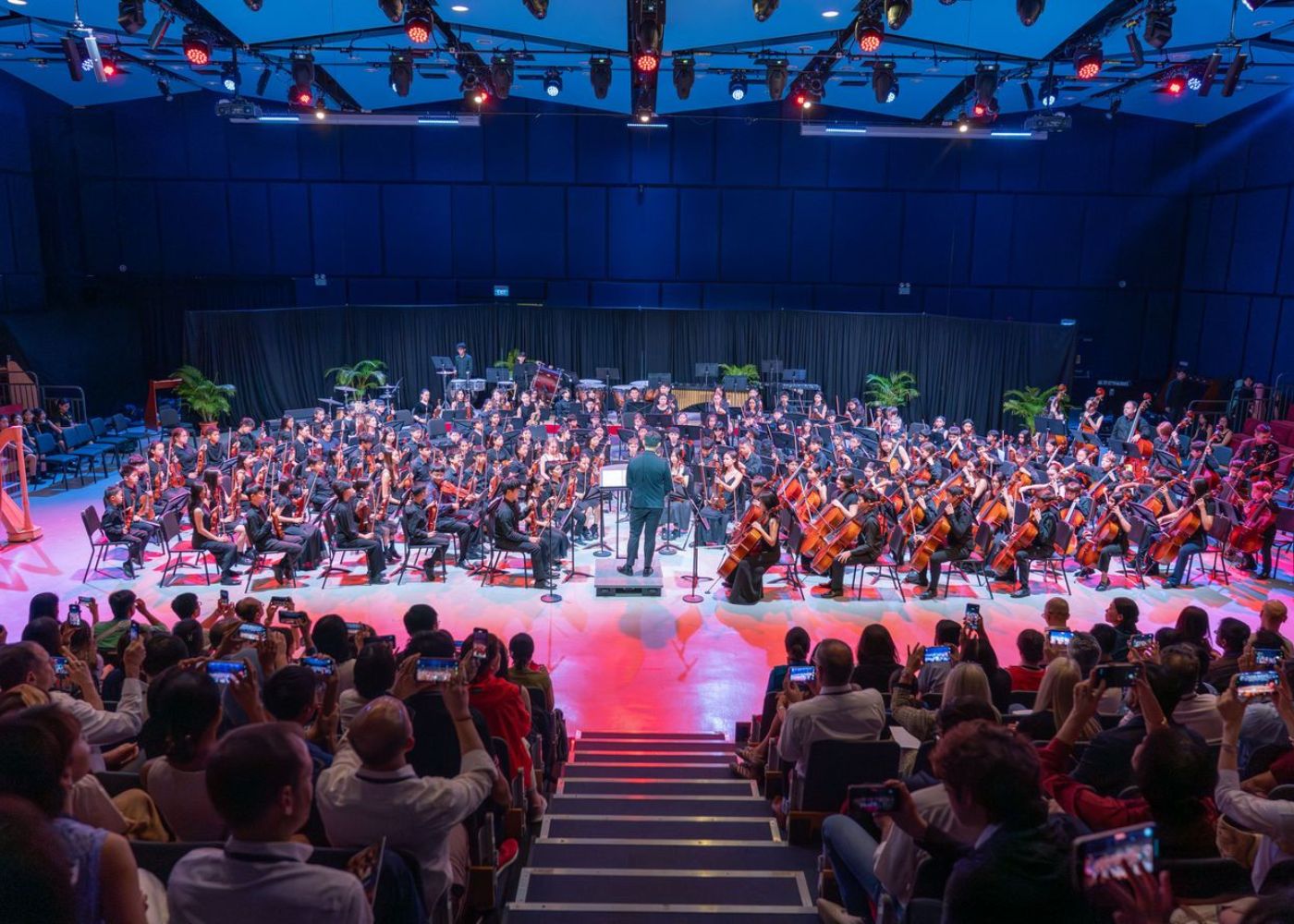
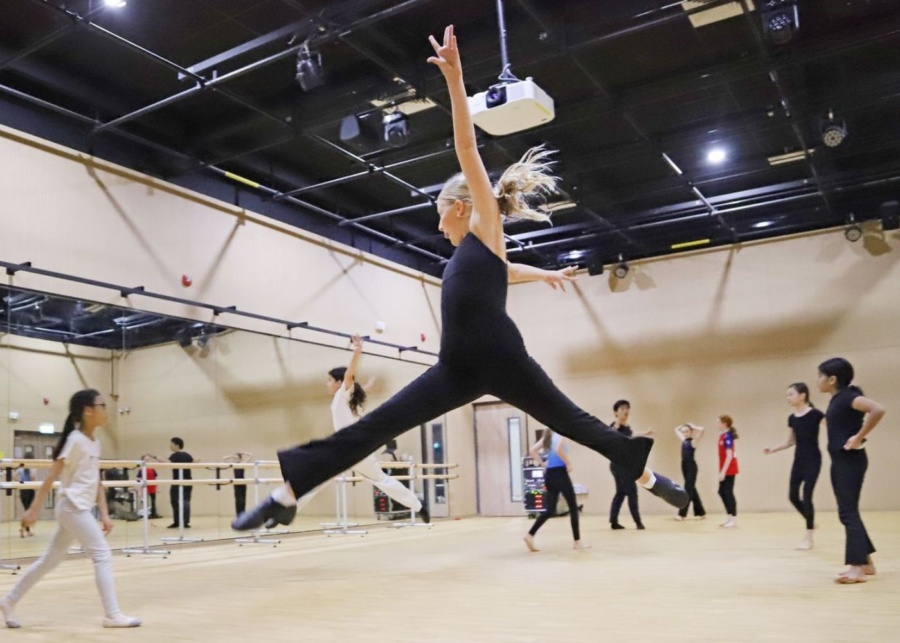
The benefits of an arts education goes beyond just teaching children how to paint, play a musical piece, or portray a character on stage. Mr. Baxter explains how performing in music ensembles or a play requires students to collaborate, communicate, assume leadership roles, and problem solve. Beyond that, curiosity and critical thinking are also encouraged, especially when students are introduced to new art forms, musical styles, and performing art genres.
Arts education is best taught through hands-on and theoretical learning
Photography: Tanglin Trust School
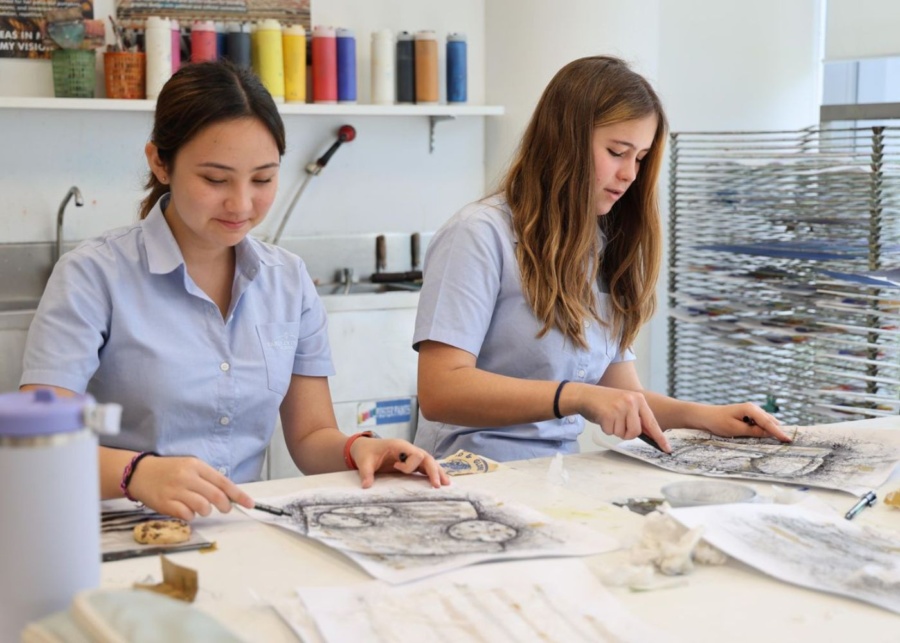
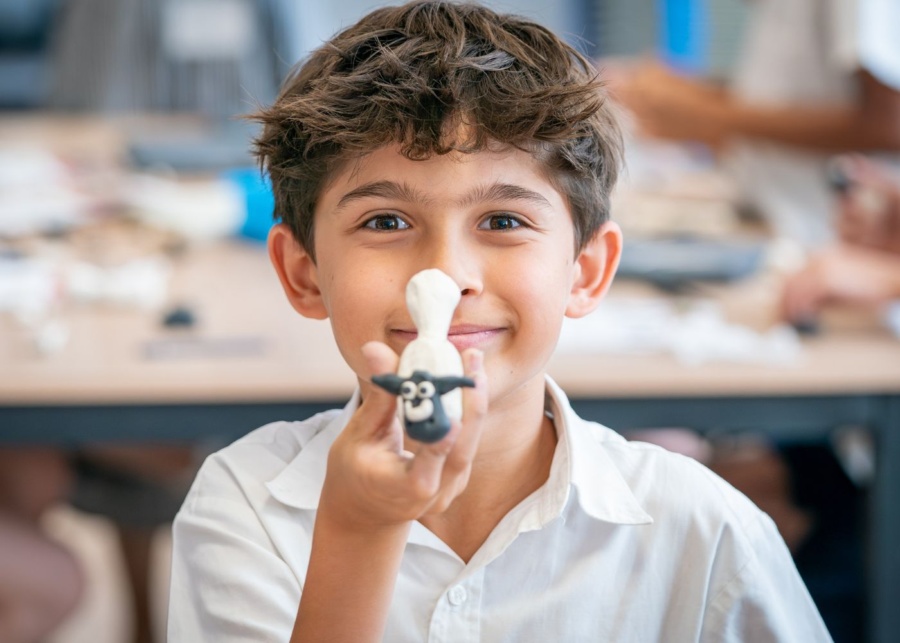
To ensure children get a holistic experience of learning and benefiting from arts education, the arts are taught through both practical and academic methods at Tanglin. Elizabeth Anstiss, Tanglin’s Head of Senior Art and Design and Graphic Communication, shared, “Practical enrichment focuses on the hands-on mastery of materials and techniques, while academic enrichment provides the historical and critical context that cites art in the ‘then’ and lets us digest it in our ‘now’.”
Tanglin’s students also got the chance to attend masterclasses and sharing sessions by award-winning performers and animators, such as Jim Parkyn from Aardman Animation (of Shaun the Sheep and Chicken Run fame), the Brodsky Quartet, and a cast member from the Les Miserables world tour.
Convinced about the importance of an arts education?
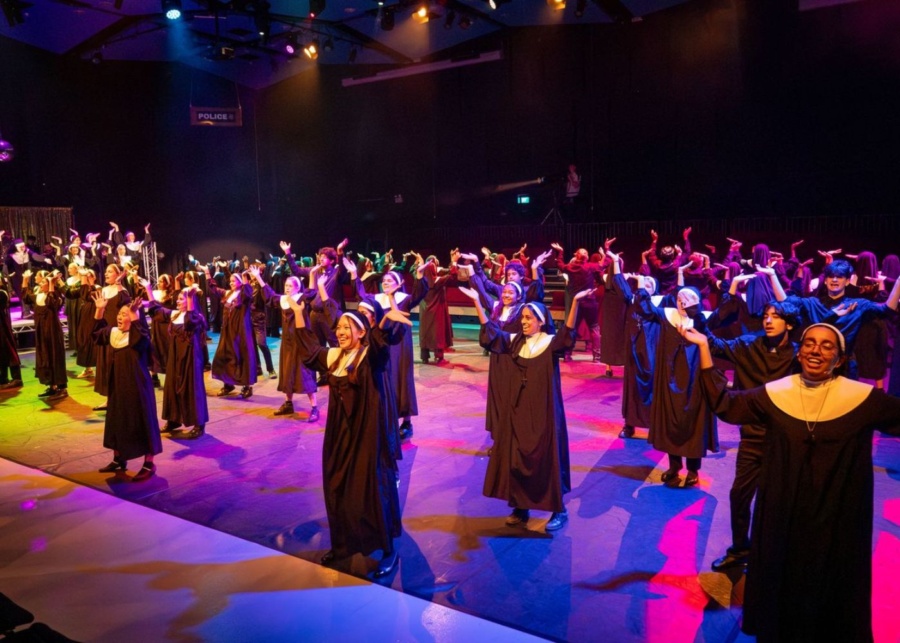
If you’re on the lookout for schools that offer arts opportunities, Tanglin is one such school where the arts – whether music, drawing, acting, or performing – is part and parcel of a Tanglin student’s school day. From arts subjects in the IGCSE, A Level, and International Baccalaureate; to the student-run Summer Art Exhibition, Sister Act musical, and Tanglin by Candlelight concert – there are many ways that students can gain both practical and academic knowledge of the arts.
You can also tell that Tanglin really prioritises the arts through facilities that are dedicated to supporting arts education. The not-for-profit school just opened the Junior Arts Centre, complete with music, drama, dance and art studios and more. Musically gifted students can also apply for the Tanglin Centenary Music Scholarship.
What’s more, Tanglin students have been awarded ‘best in the world’ for A Level Arts subjects eight times in the last five years. It’s also not short of distinguished alumni who have made a name for themselves in the arts industry, such as Gaurav Kriplani (class of 1989), the artistic director of Singapore Repertory Theatre, who recently co-produced Roald Dahl’s The BFG.
Last but not least, Year 5 and 6 students can now benefit from the newly launched Academy: Arts programme, which offers more personalised opportunities for students who are passionate about the arts. You can find out more about this programme, as well as Tanglin’s overall arts offerings through its website; or read about the latest arts updates and initiatives in the latest issue of Tanglin’s The Voice magazine.
This post is in partnership with Tanglin Trust School.