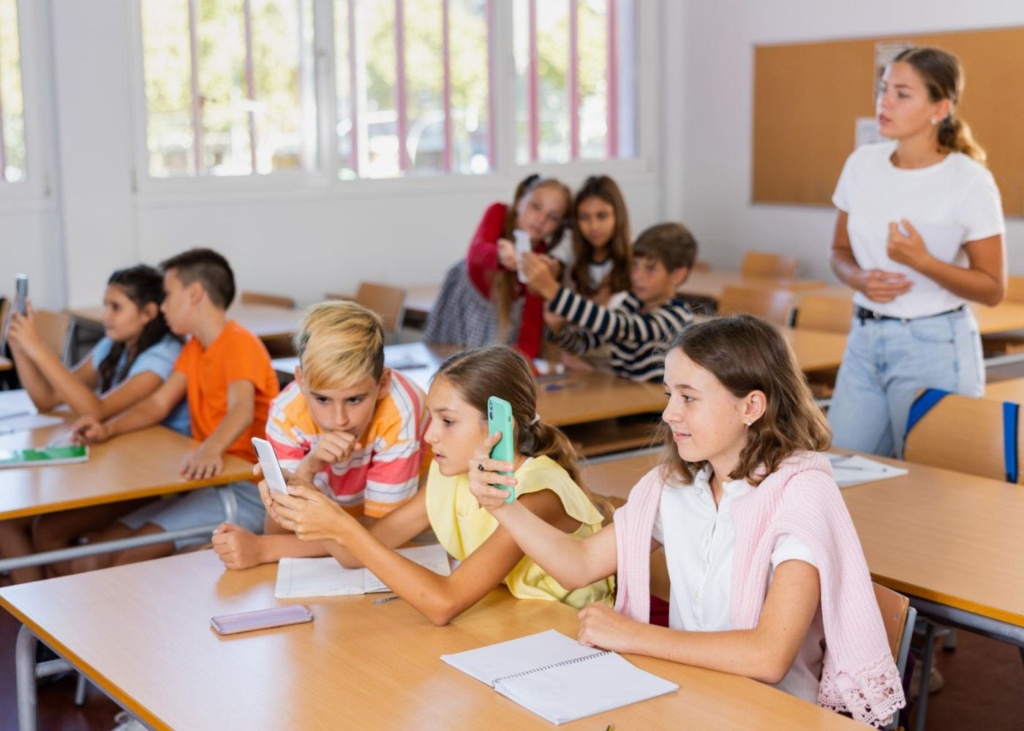
From one of Europe’s most digitally advanced classrooms to paper and pens again, Sweden’s shift raises bigger questions about how kids learn and what Thailand can take from it.
The Swedish government is pushing for a return to traditional learning tools – physical books, handwriting and paper-based work – in an effort to improve literacy and focus in schools.
This shift comes after years of heavy digital adoption.
By 2015, around 80% of high school students had their own digital devices. Tablets were introduced even in pre-schools by 2019 and digital platforms became a core part of teaching across subjects.
But since 2022, policies have started moving in the opposite direction.
While Sweden wasn’t the most digital classroom system in the world, it was definitely among the early and most enthusiastic adopters of digital learning in Europe.
Here’s what has changed
- Pre-schools are no longer required to use digital tools
- Tablets are not given to children under two years old
- A mobile phone ban in schools (including for learning) is coming into effect
- The government has invested over 2.1 billion krona (around $200 million) in textbooks and teaching materials
- A new curriculum focusing on textbook-based learning is planned for 2028
The slogan they use is simple: “from screen to binder” (“från skärm till pärm”).
The reasoning is also clear: screen-free environments are believed to help children concentrate better and develop stronger reading and writing skills.
Why is Sweden stepping back from screens?
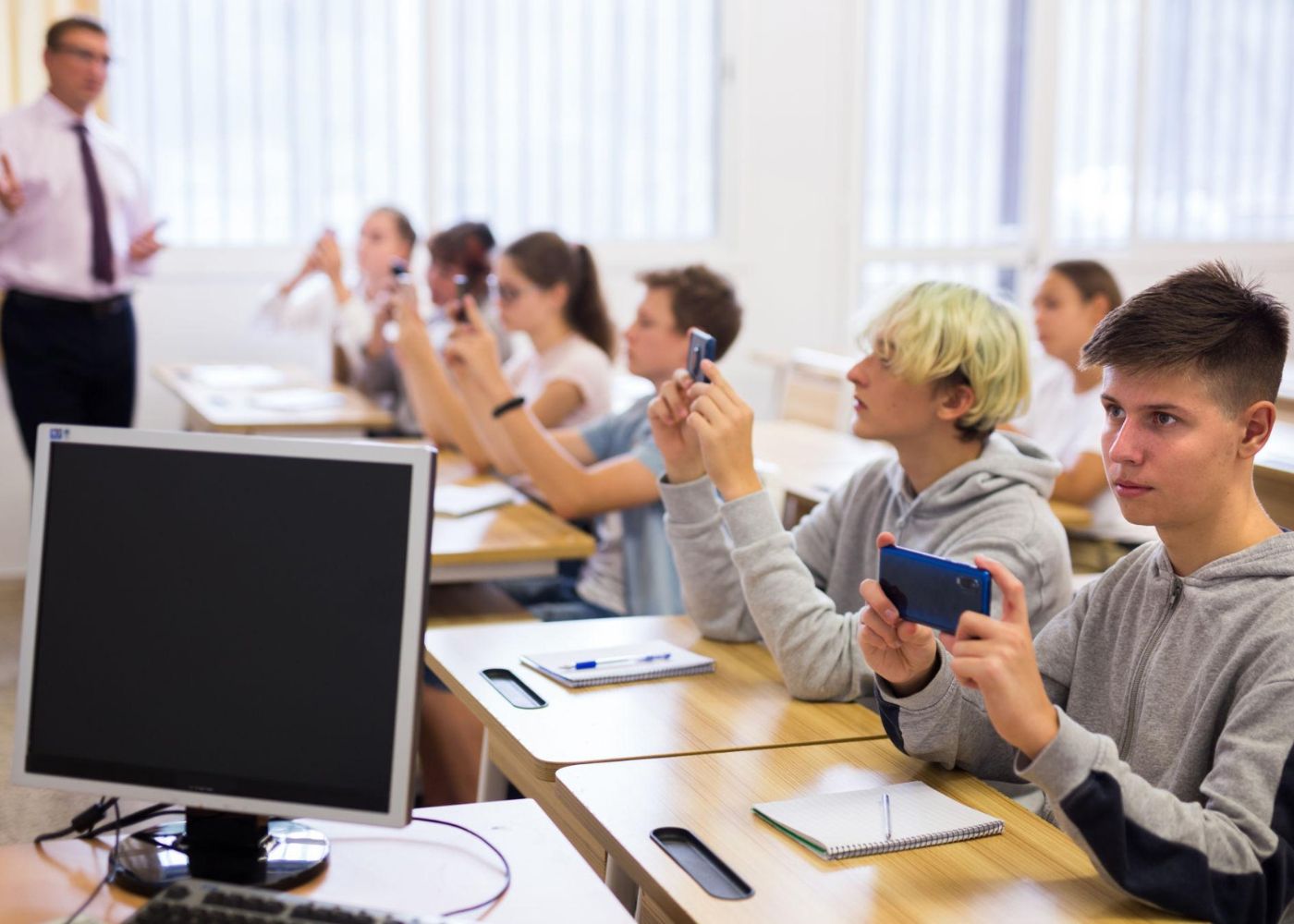
This shift didn’t happen randomly. It followed growing concern from researchers, educators and policymakers about how technology was actually affecting learning.
Some key points driving the change:
- Falling literacy levels: Sweden’s reading performance dropped in international rankings like PISA
- Digital distraction: Students were losing focus due to constant screen exposure
- Cognitive concerns: Research suggests reading on screens may reduce comprehension compared to physical books
- Brain development: Heavy screen use in younger children has been linked to developmental concerns
A neuroscientist involved in the discussions pointed out something simple but important: kids don’t just get distracted by their own screens, they get distracted by everyone else’s too.
And when you think about a classroom full of glowing devices, it makes sense.
But not everyone agrees
The main concerns are:
- Digital skills gap: With 90% of jobs expected to require digital skills, reducing screen exposure could leave students underprepared
- Economic impact: Sweden is a major tech hub, home to companies like music streaming platform Spotify and there are concerns this shift could affect future innovation
- AI readiness: Some experts argue children need earlier exposure to technology, especially with the rise of AI
- Inequality risks: If schools reduce digital learning, children from wealthier families may gain an advantage at home
Some say removing screens helps them focus more. Others argue that technology is simply part of the real world and school should reflect that.

Sweeten up your inbox! Subscribe to HoneyKids Asia Thailand
This is also happening in Bangkok
The new smartphone rule will be effective for 437 Bangkok schools that are under the Bangkok Metropolitan Administration (BMA)’s care and take effect from the next academic year, starting next month.
The BMA is encouraging students to take a break from their screens during school hours. A new initiative called “Phone Off, Learning On” asks students to leave their phones with teachers during the school day.
The announcement was made by Bangkok governor, Chadchart Sittipunt on 13 March. He explained that the policy aims to help students build healthier habits when it comes to using digital technology. Read the full article: “Bangkok schools introduce new rule to keep classrooms phone-free”
So, what do you think? Should the rest of Thailand follow this step, too? Share your thoughts on our Facebook and Instagram.