Are you wondering what Buddhist holidays in Thailand are all about? Here is a quick guide to the most important days in the Buddhist calendar.
If you look at our list of Thai school holidays & international school holidays in Thailand, you will notice that many of the dates are Buddhist holidays.
While the country warmly embraces all faiths, its cultural heart remains deeply Buddhist. That is why many Thai schools close during major Buddhist celebrations, turning these holidays into important moments for families across the country.
For families living in Bangkok or visiting with kids, these holidays are also one of the best ways to experience local culture beyond shopping malls and tourist attractions.
And even if you are not Buddhist yourself, you are still welcome to respectfully join many of the traditions and community activities.
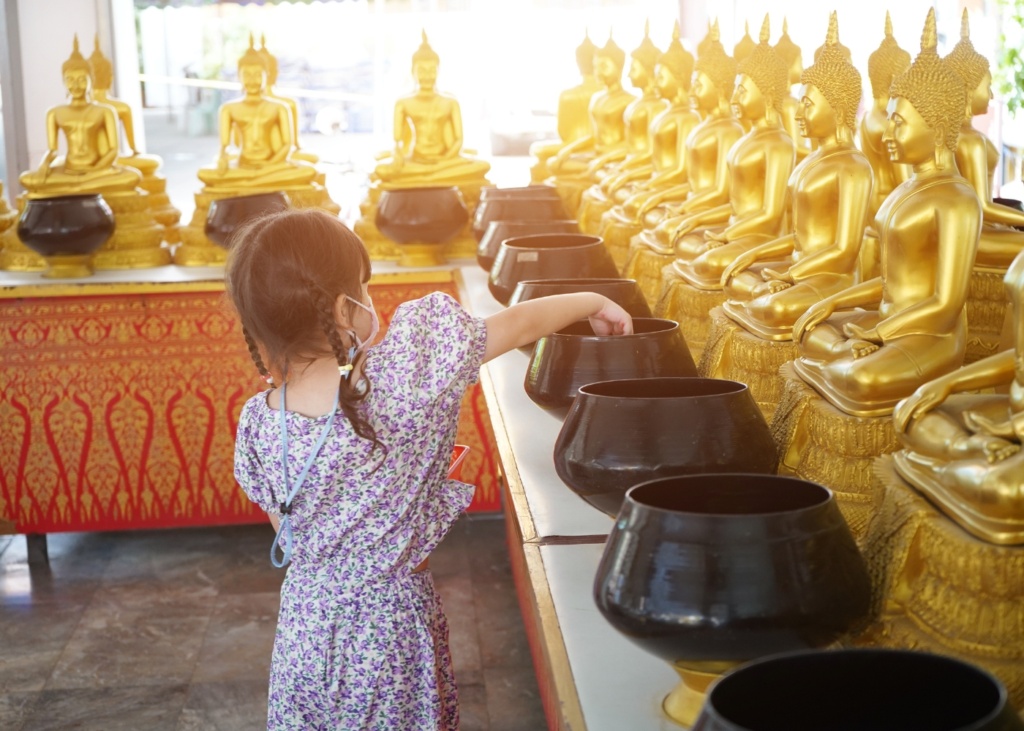
Across Thailand, temples become filled with candlelight, flower displays, and local families making merit together. You will see people offering food to monks, listening to Buddhist teachings, and joining candlelight processions known as wian tian (เวียนเทียน), where worshippers slowly walk around temples carrying candles, incense and lotus flowers.
To help families navigate these cultural celebrations, this guide covers the major Buddhist holidays celebrated in Thailand, what each day means and what to expect throughout the year.
Buddhist holidays in Thailand
1. Makha Bucha Day (มาฆบูชา)
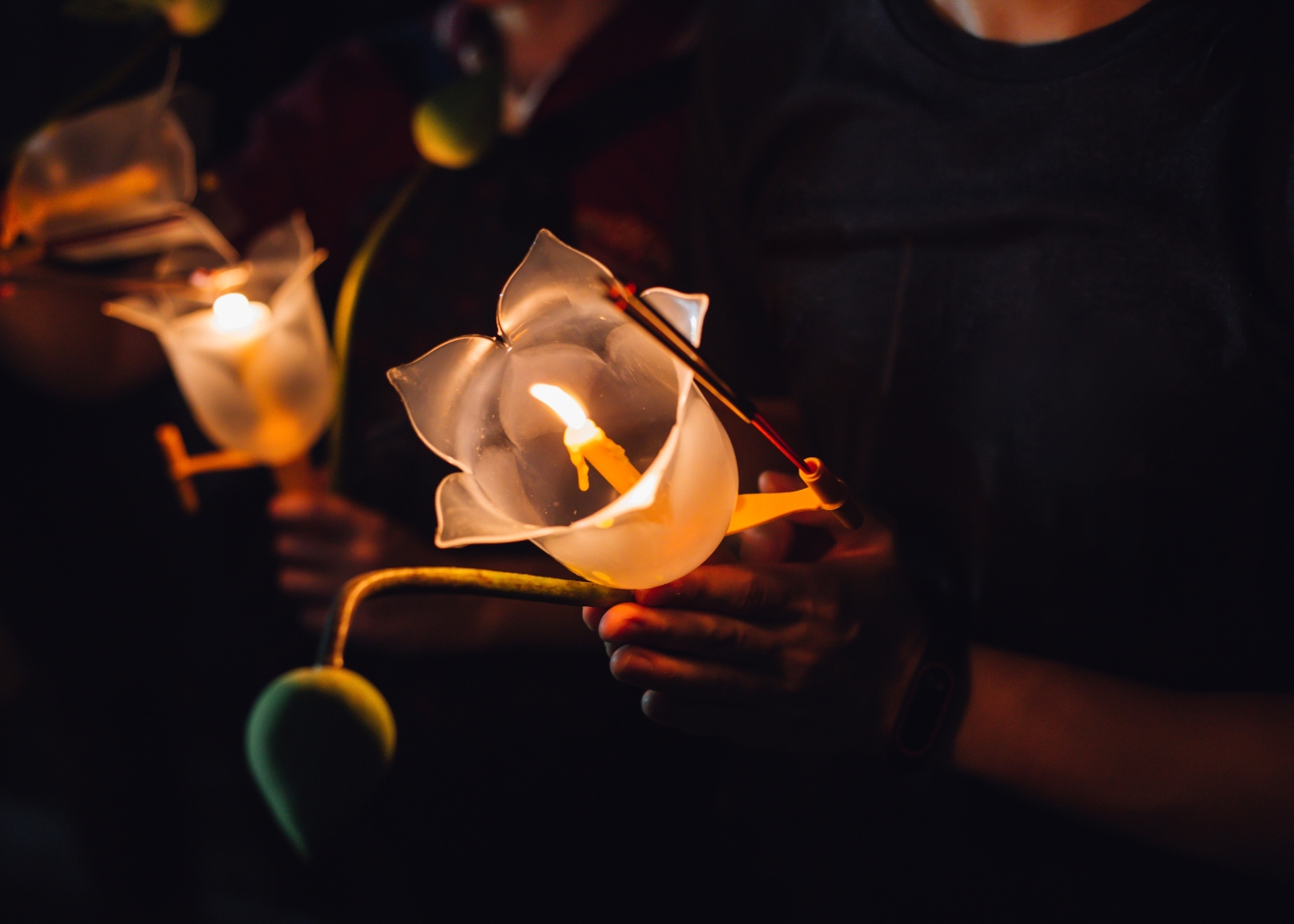
This Buddhist holiday marks the first major Buddhist celebration of the year. Usually taking place in February on the full moon – which changes every year – of the third lunar month, Makha Bucha remembers the day 1,250 of the Buddha’s disciples gathered together to hear his teachings. Across Bangkok, families visit temples to make merit, offer food to monks and join the candlelight procession in the evening. Best of all, the weather is usually cooler at this time of year, so it has become a lovely thing to do in Bangkok with kids while enjoying the glowing candles and peaceful evening walks together.
2. Visakha Bucha Day (วิสาขบูชา)
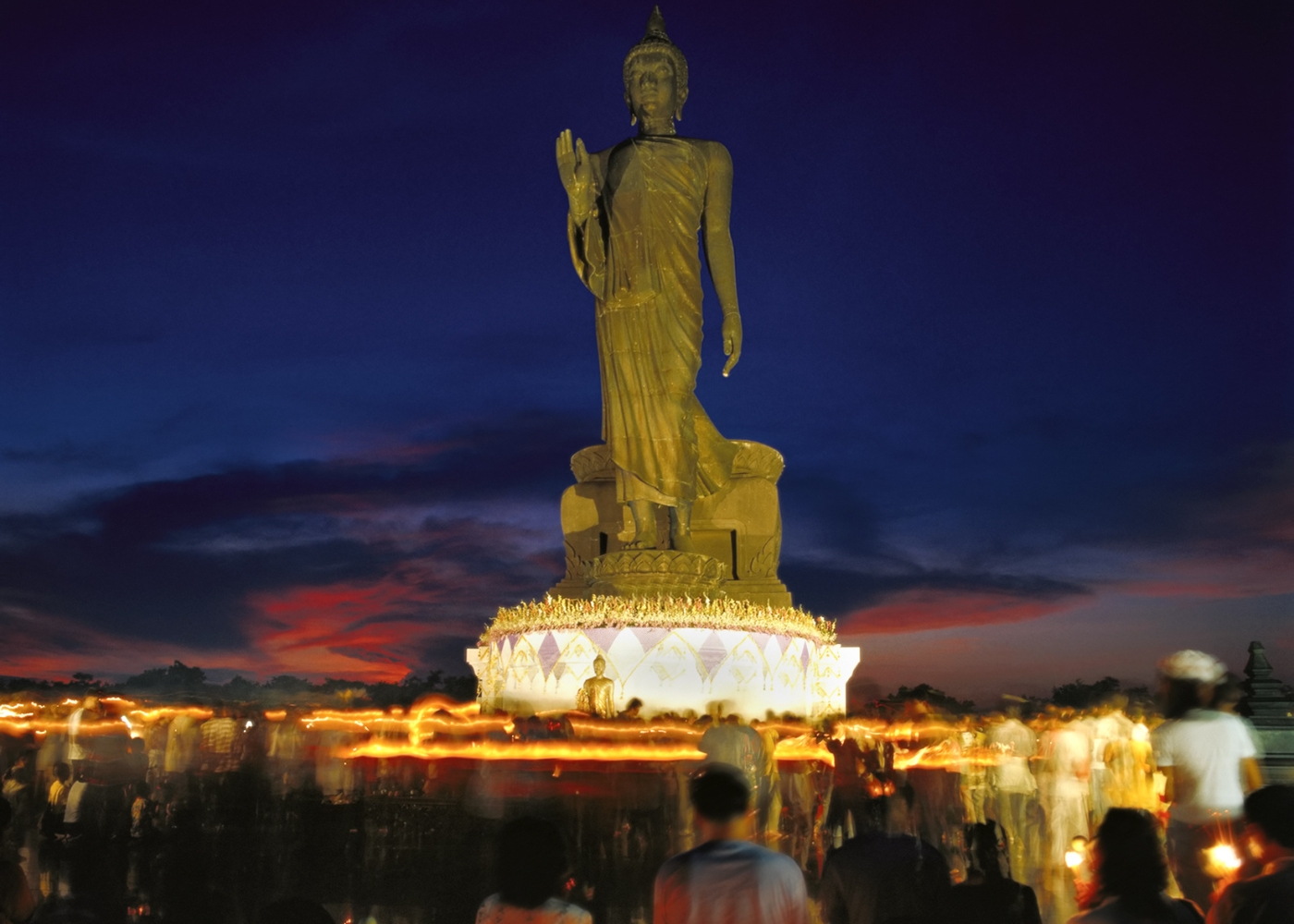
Regarded as the most sacred day in the Buddhist calendar, Visakha Bucha commemorates the birth, enlightenment and passing of the Buddha – 3 important moments traditionally believed to have happened on the same full moon night of different years. And while Bangkok is known for its fast pace, this Buddhist public holiday brings a rare sense of calm to the Thai capital. Temples are decorated with prayer flags, flower displays and exhibition spaces that help explain the meaning of the holiday. The day begins with locals offering food to monks before continuing with prayer, meditations and Buddhist teachings throughout the afternoon. After sunset, temples hold candlelight processions. It is also a good chance to introduce children to Buddhist traditions and temple customs. Taking place on the full moon day of the 6th lunar month in the Buddhist calendar, it usually falls in May or sometimes early June, with the exact date changing every year.
3. Asarnha Bucha Day (อาสาฬหบูชา)
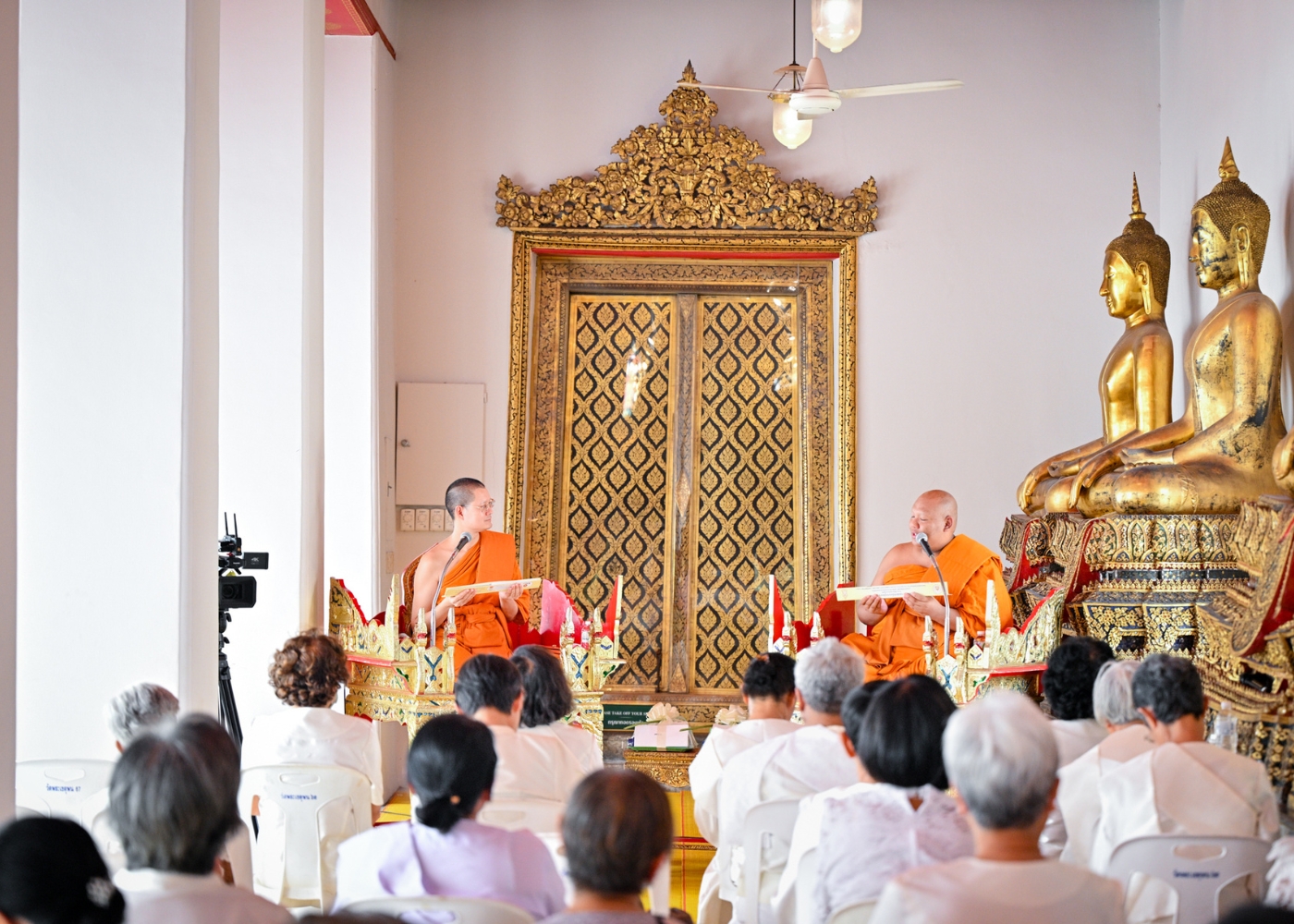
This Buddhist holiday commemorates the day the Buddha gave his first teaching after reaching enlightenment. He shared the sermon with 5 followers who later became his first disciples, helping spread Buddhist teachings for the first time. Similar to Makha Bucha and Visakha Bucha, many families visit temples throughout the day to offer food to monks, pray, and listen to Buddhist teachings. In the evening, temples hold candlelight processions around the temple grounds. The day usually falls during Bangkok’s rainy season, so evening showers are fairly common. Bringing an umbrella or raincoat is a good idea, especially if little ones are joining the temple walk. Taking place on the full moon day of the 8th lunar month in the Buddhist calendar, it usually falls in July, with the exact date changing every year.

Sweeten up your inbox! Subscribe to HoneyKids Asia Thailand
4. Khao Phansa, Buddhist Lent Day, or the Rains Retreat (วันเข้าพรรษา)
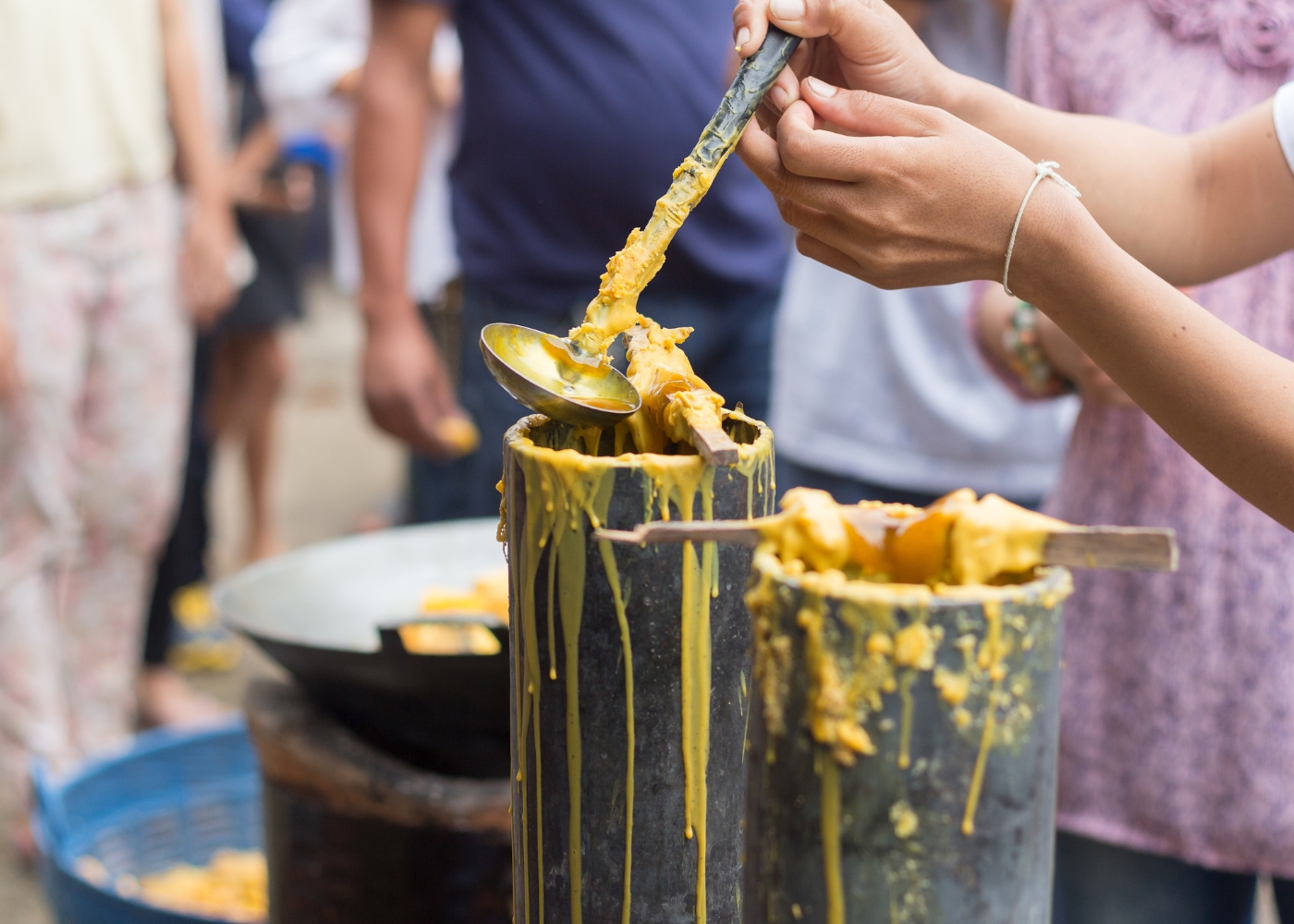
The day following Asarnha Bucha marks the beginning of Khao Phansa. The holiday starts a 3-month retreat during the rainy season when monks traditionally stay at their temples to focus on study, meditation and Buddhist practice. The tradition dates back to the time of the Buddha, when monks were asked to stop travelling during the monsoon to avoid stepping on newly planted crops. Today, it is a public holiday in Thailand, with many schools and government offices closed. Combined with Asarnha Bucha, it often turns into a long weekend where many families travel upcountry. The holiday is also known for its traditions centred around candles and light. Locals visit temples to donate large candles and light bulbs to monks, symbolising wisdom and bringing light during the rainy season. You can also bring children to join candle-making activities at temples. In some neighbourhoods, you may even come across colourful candle parades featuring giant carved wax candles moving through the streets. Taking place on the day after Asarnha Bucha Day, it usually falls in July, with the exact date changing every year.
5. Ok Phansa
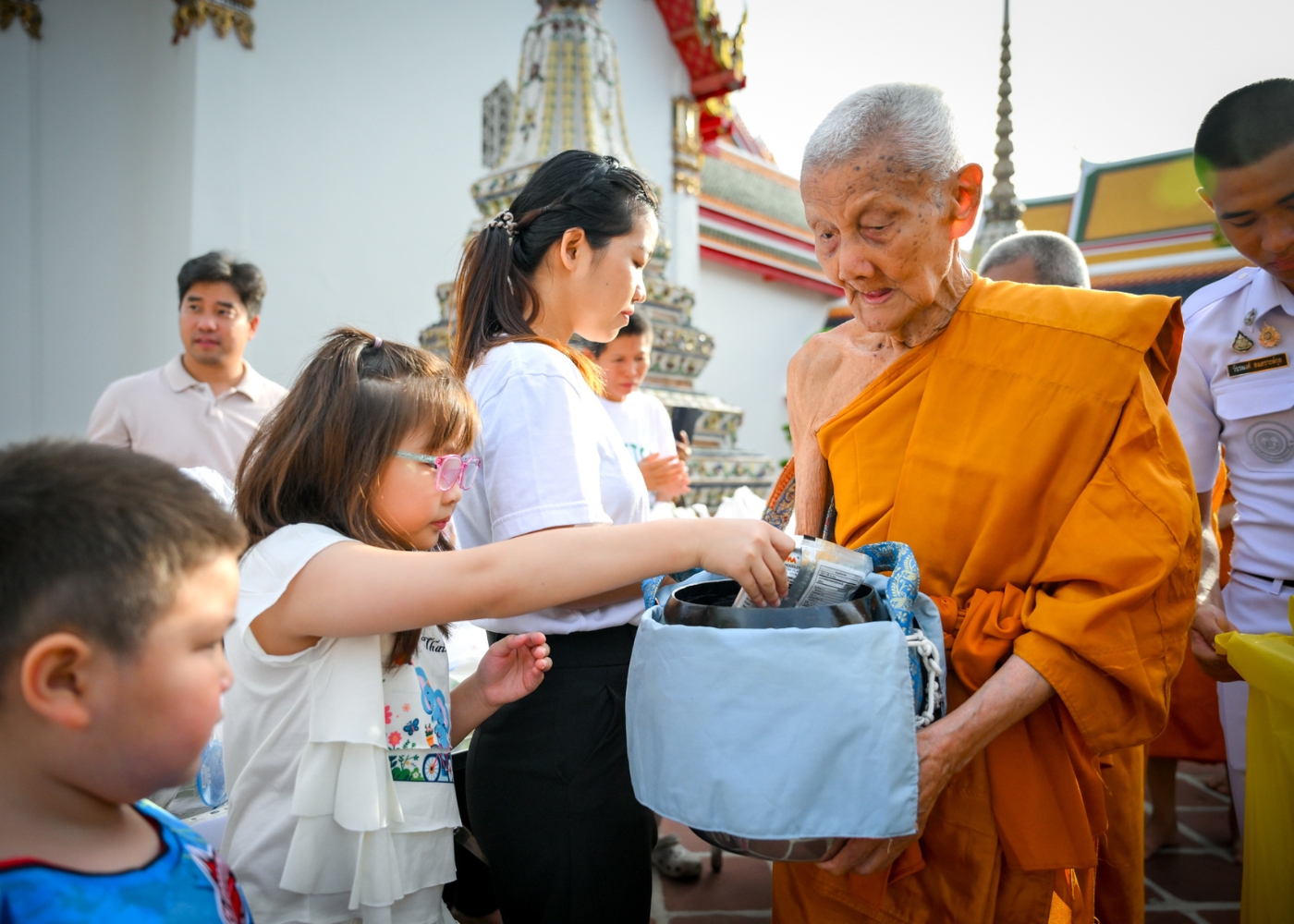
Marking the end of the 3-month rainy season retreat when monks stay at their temples, this Buddhist holiday celebrates the end of Buddhist Lent. Even though it is not an official public holiday in Thailand, many locals take part in Tak Bat Devo (ตักบาตรเทโว), a tradition held the morning after Ok Phansa, when long lines of monks walk through temple grounds to receive dried food, snacks and daily essentials from worshippers. It also marks the beginning of kathin (กฐิน) season, when locals visit temples to donate robes and supplies to monks. In many places, the celebrations turn into lively community festivals with parades, performances and temple fairs. One of the biggest highlights of the season is the Royal Barge Procession along the Chao Phraya River, where you can bring kids to watch the magnificent Suphannahong Royal Barge as part of Thailand’s centuries-old royal tradition. Taking place on the full moon day of the 11th lunar month in the Buddhist calendar, it usually falls in October, with the exact date changing every year.