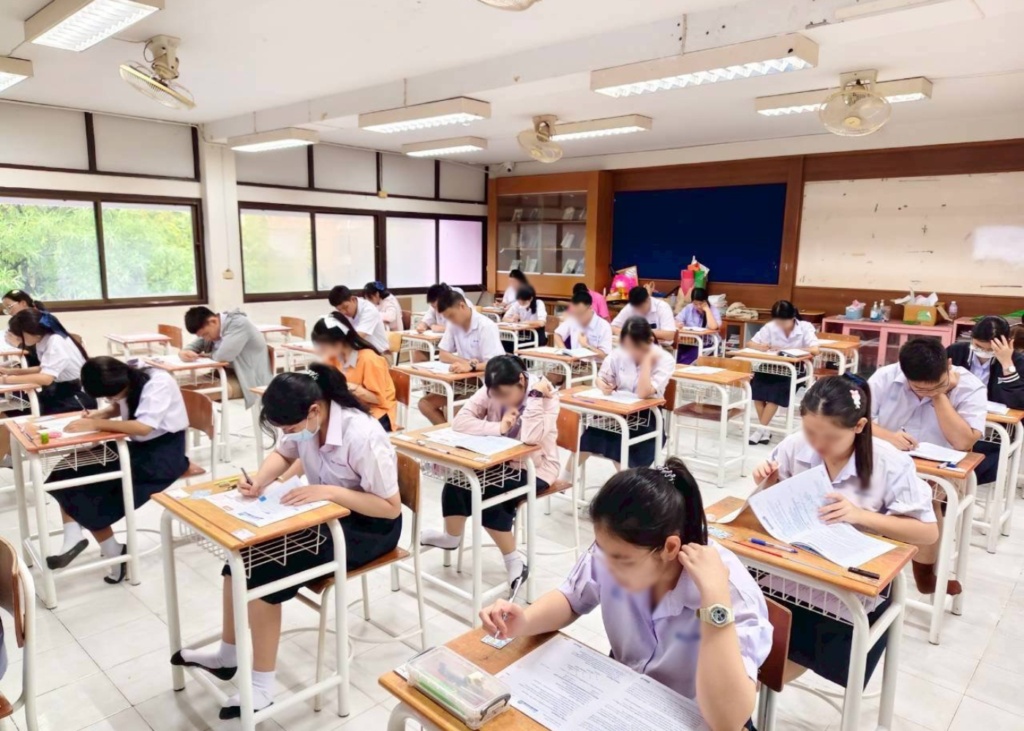
The Thai government has introduced new TCAS70 measures for university entry in 2027.
The Thai government has introduced new TCAS70 measures for university entry in 2027. The new measures include free entrance exams, lower application costs and stricter portfolio checks.
If you have a child preparing for university in Thailand, you will know that admission season can be just as stressful for the family budget as it is for a student’s nerves. With the cost of multiple exams and application rounds quickly adding up, the government is now stepping in to help ease that burden.
On 26 April, Prof. Dr. Yoschanan Wongswasdi, Deputy Prime Minister and Minister of Higher Education, and Prof. Dr. Wilert Puriwat, Chairman of the Council of University Presidents of Thailand, announced a significant overhaul of the Thai University Central Admission System (TCAS) for the 2027 intake.
Whether your children study at an international school or a Thai school, they will still need to go through this process if they plan to apply to local universities.
So, under the new TCAS70 measures, students will be able to take key entrance exams free of charge for up to seven subjects, while Round 3 (Admission) application fees will also be waived for up to seven programme choices.
New portfolio rules will also be introduced to make the process fairer and more transparent.
The entrance exams are scheduled to take place in January 2027, earlier than in previous years, partly to help avoid disruptions caused by seasonal flooding.
What is TCAS?
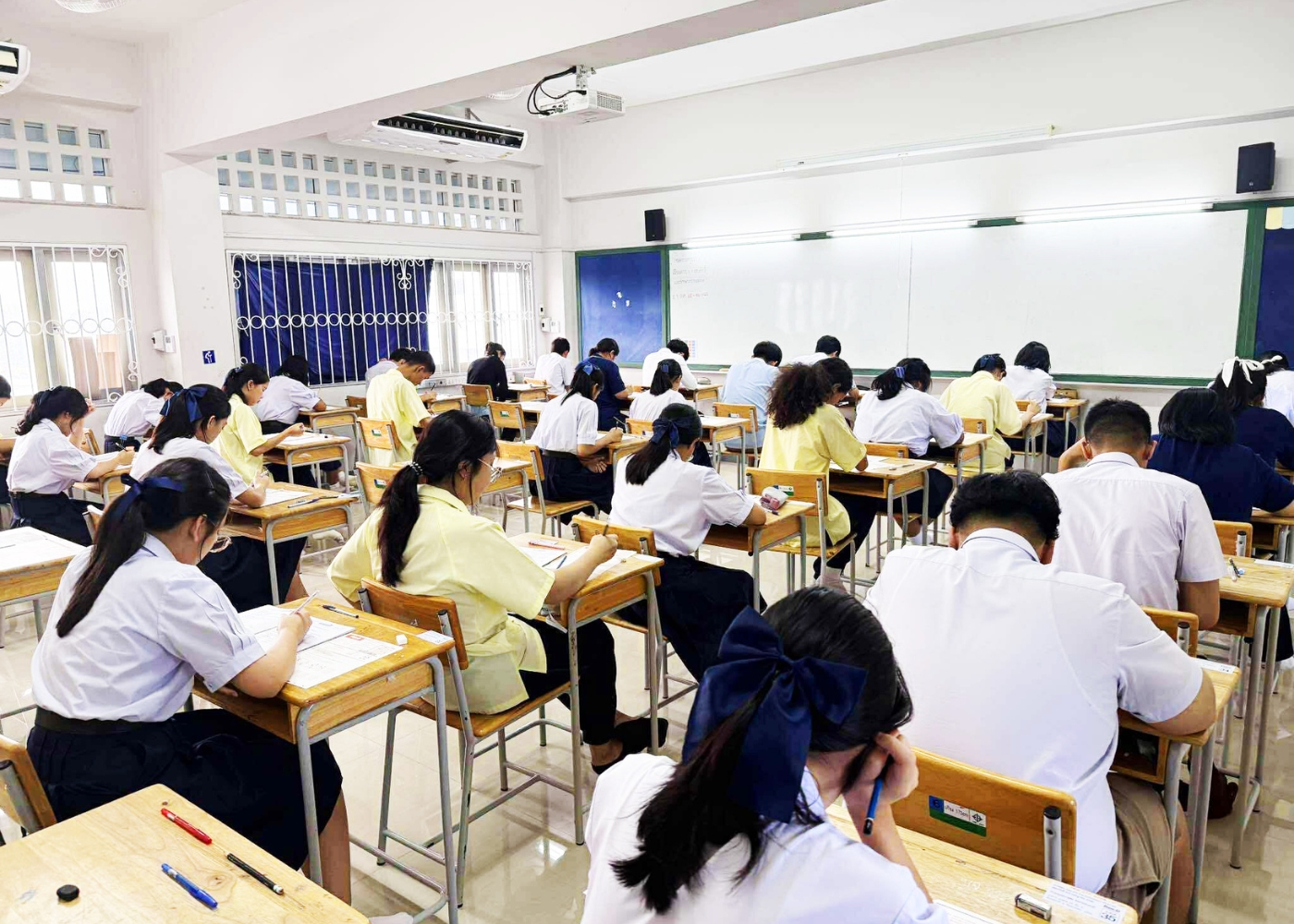
TCAS stands for Thai University Central Admission System. If you have a teenager at home or are heading into your final years of high school, TCAS is a name you’ll hear often.
It is the official central system used to select students for undergraduate programmes in Thailand.
Designed to reduce the exam marathon of the past, TCAS brings different university entry methods into one clear timeline. It currently consists of four main rounds:
1. Portfolio: Based on school records and extracurricular achievements.
2. Quota: For students in specific regions or with special talents.
3. Admission: The main round using national test scores.
4. Direct admission: A final round for universities to fill remaining seats.
Understanding the Thai university entry system
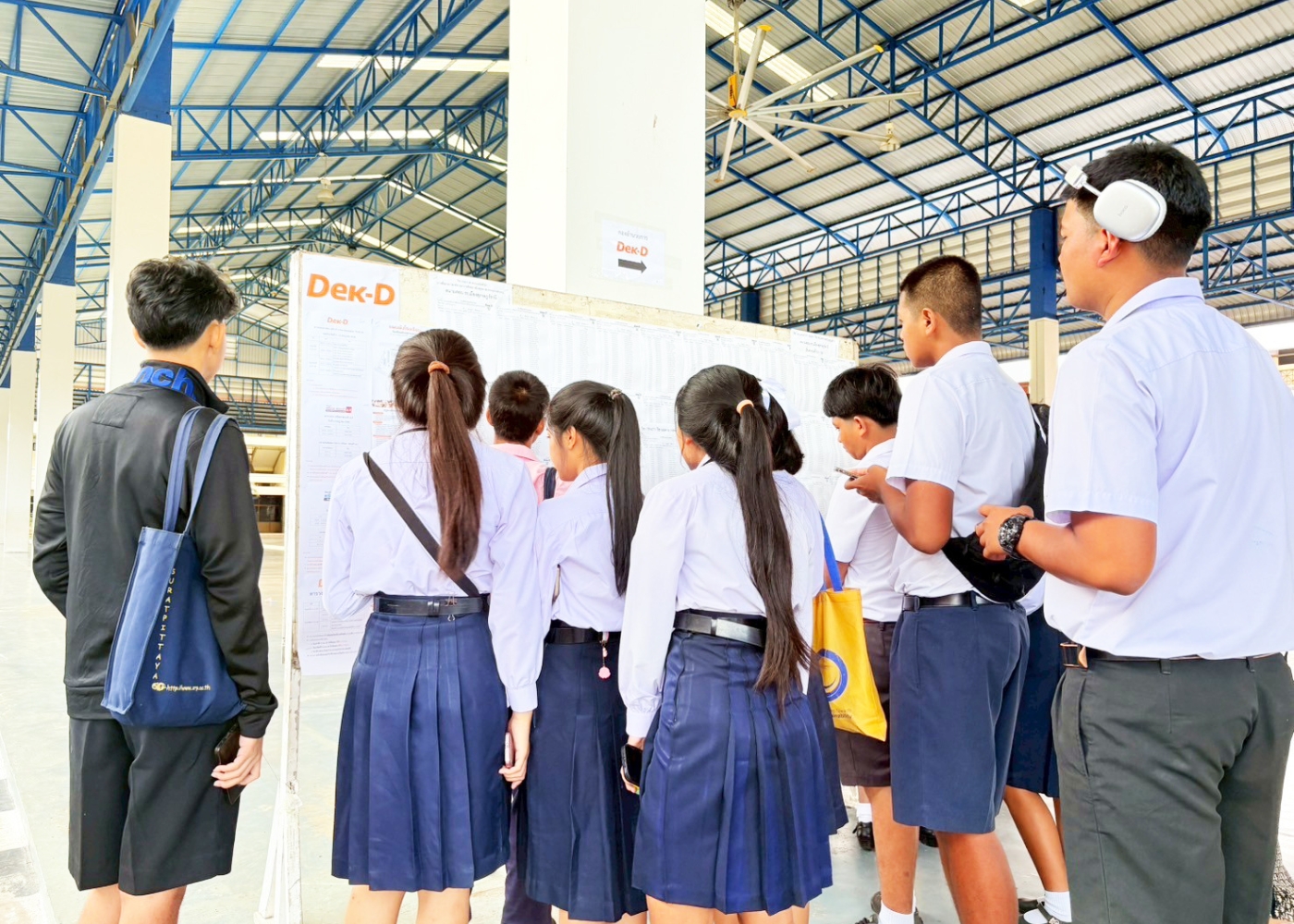
How does the system actually gain or select students for university? In Thailand, the process is designed to match a student’s specific strengths with the right academic programme through a multi-step evaluation.
- TGAT (Thai General Aptitude Test): A core exam for most students that measures English communication, logical thinking, and future workplace skills such as problem-solving.
- TPAT (Thai Professional Aptitude Test): Specialised exams that assess suitability for specific fields such as medicine (TPAT1), art (TPAT2), engineering (TPAT3), architecture (TPAT4) and teaching (TPAT5).
- A-Level (Applied Knowledge Level): Subject-based exams such as advanced mathematics, physics, chemistry and foreign languages that test academic knowledge.
Once results are released, universities use a weighted scoring system based on each course. Students who receive an offer must then confirm their place through the clearing house system, which prevents applicants from holding multiple university seats at once.

Sweeten up your inbox! Subscribe to HoneyKids Asia Thailand
The costs of getting into university in Thailand
However, getting into university in Thailand is not only stressful because of exam preparation. It also comes with a long list of costs throughout the admission journey. Students often need to register for several entrance exams depending on the course or university they are applying to.
Here is a general breakdown of the current exam fees:
- TGAT: B140
- TPAT1: B800
- TPAT2–TPAT5: B140 per subject
- A-Level: B100 per subject
If a student applies for medicine, engineering, architecture or other competitive programmes, they may need to sit multiple papers across TGAT, TPAT, and A-Level subjects, meaning total exam fees can easily run into several hundred baht or more.
Beyond exam fees, they may also need to budget for application fees in each admission round.
- Round 1 (Portfolio): B200–1,000 depending on the university or course.
- Round 2 (Quota): B200–500 depending on the university or course.
- Round 3 (Admission): The main application round where students can rank up to 10 university choices. Fees are based on the number of choices selected, with five choices costing around B350 and 10 choices around B600.
- Round 4 (Direct Admission): B200–500 depending on the university or course.
Taken together, these fees show that you may need to spend a significant amount before your kid even secures a university place.
If your child wants to keep many options open, the total cost can easily run into thousands of baht, especially for those applying to several programmes or competitive courses that require multiple exams.
What’s new for TCAS70?
The core of the update focuses on “Leveling the Playing Field” by approving several fee waivers:
- Free entrance exams: Students can now take up to 7 subjects for free across the TGAT/TPAT and A-Level categories.
- Free admission applications: For the third round (Admission), students can select up to 7 rankings at no cost.
- Fee freeze: The planned increase in exam application fees has been postponed for another year.
- Support for vulnerable groups: Students under the Equitable Education Fund (EEF) receive a 25% discount on Portfolio round application fees.
Cracking down on paid portfolio services
Beyond reducing costs, the new measures also aim to tackle the growing trend of students paying professional services to create university portfolios.
To address this, the Council of University Presidents of Thailand (CUPT) is introducing two new digital tools:
TCASFolio
A standardised central platform for creating and submitting portfolios, designed to focus more on students’ real achievements rather than expensive designs or professionally made presentations.
TCAS Verified
A system that allows schools and organisations to verify student activities and achievements directly through the platform, helping prevent false documents and misleading claims.
Key Dates and schedule adjustments
For the 2027 intake, the entrance exams have been moved to January 2027, earlier than in previous years when they were usually held around October to December.
The change is intended to help avoid recurring flooding issues later in the year. In recent years, severe weather disruptions created difficulties for students travelling to exam centres and affected testing schedules.
- TCAS System Registration: from 15 July 2026 onwards
- Portfolio Round Applications: from 15 August 2026 onwards
- TGAT / TPAT Exams: January 2027
- Round 3 (Admission) Applications: 7–11 May 2027
A step toward long-term stability
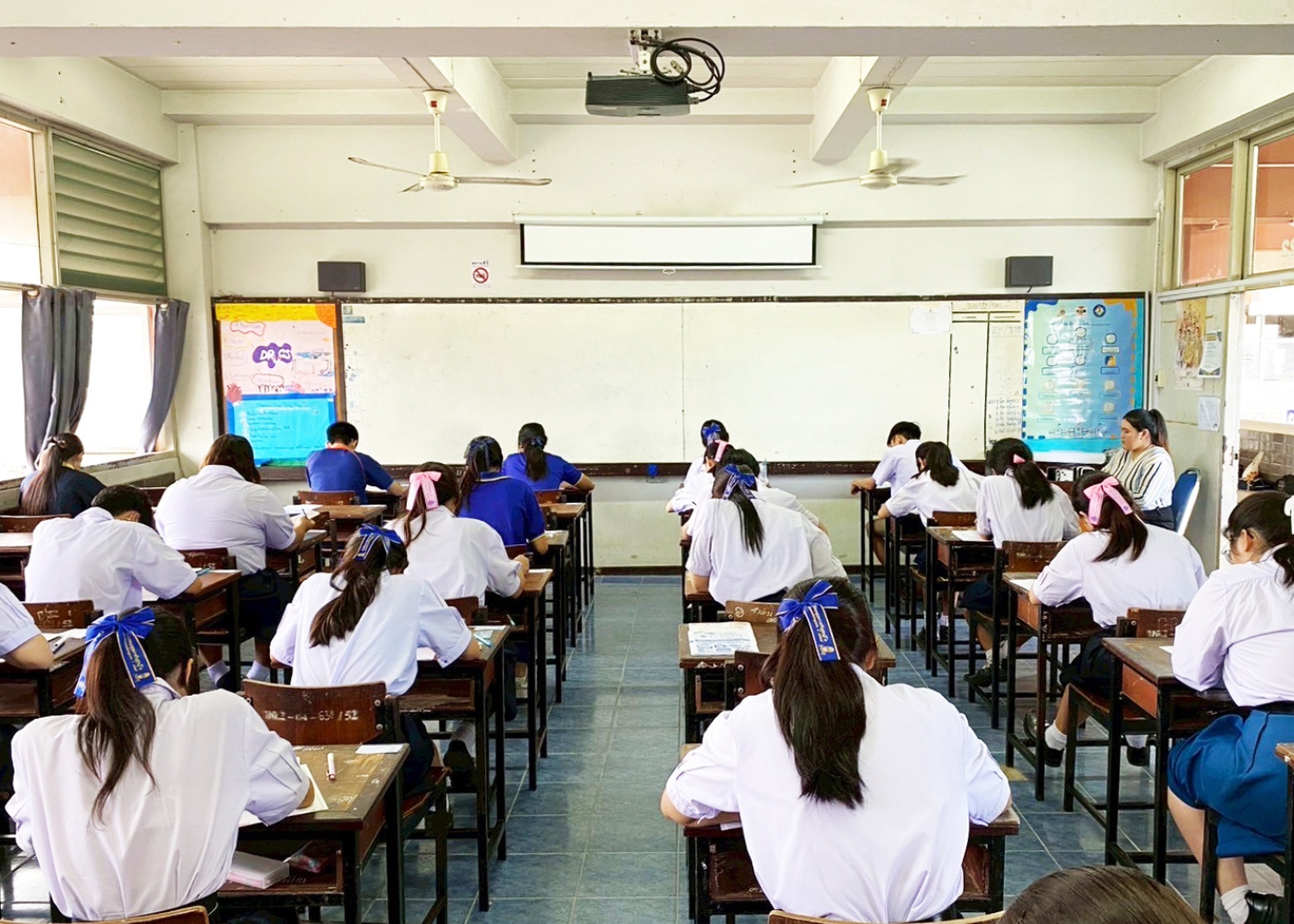
Prof. Dr. Wilert Puriwat emphasised that these changes are the beginning of an annual review process to improve the system. Major structural changes, such as moving the Portfolio round, would require a 3-year advance notice to ensure students are not caught off guard.
For families preparing for university admissions, TCAS70 marks a year in which the system becomes significantly more affordable and transparent, with a stronger focus on merit and digital verification rather than administrative complexity.
Is this a good move for Thailand’s Education System?
As a student who has gone through the Thai university entrance system, this change is a positive step in the right direction. With so many exams and application rounds involved, the process can take both time and money. These new measures could help reduce some of the financial pressure on parents and families.
Moreover, the changes could also create a fairer and higher-quality admissions process for students. Lower costs may open more opportunities for those with smaller budgets, allowing more students to stay in the competition based on their ability rather than their finances.
Overall, it could be an important step towards making university access more equal for students across Thailand.