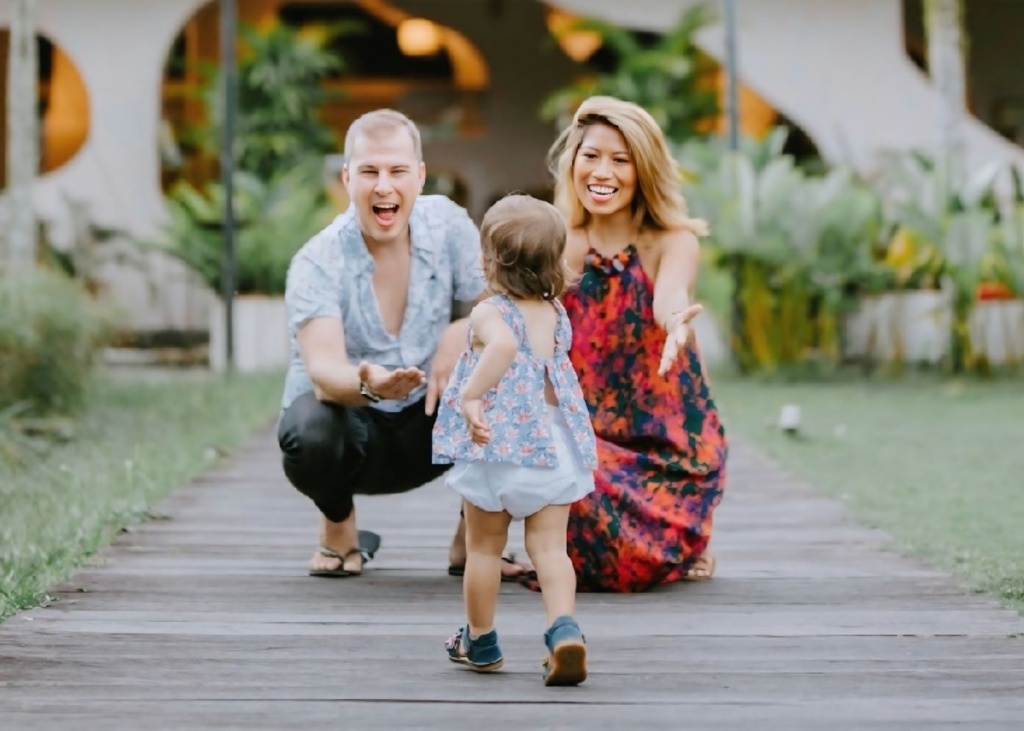
We spoke with Thi Weigel about how she and her partner created a multilingual environment at home
Four-year-old Lea already speaks five languages — English, German, French, Thai and Vietnamese. We spoke with her mother, Thi Weigel, about how she and her partner, Philipp, created a multilingual environment at home and what it takes to raise a child growing up with so many languages.
Your child speaks five languages at just four years old – can you walk us through how this happened naturally in your family?
For us, it started very simply and very naturally. Even before our daughter was born, we knew that we wanted to speak to her in our own mother tongues. My husband is German and I am French with Vietnamese heritage, so from the very beginning he spoke German to her and I spoke French.
English came later quite naturally through kindergarten and daily life in Bangkok and Thai followed as part of her environment. None of this was really planned in a strict way – it was more about surrounding her with the languages that are part of our lives and our story as a family.
Did you set out intentionally to raise a multilingual child, or did it evolve over time?
It was important for us that our daughter grows up with our mother tongues, because language is deeply connected to culture, identity, and family history. So yes, there was an intention there.
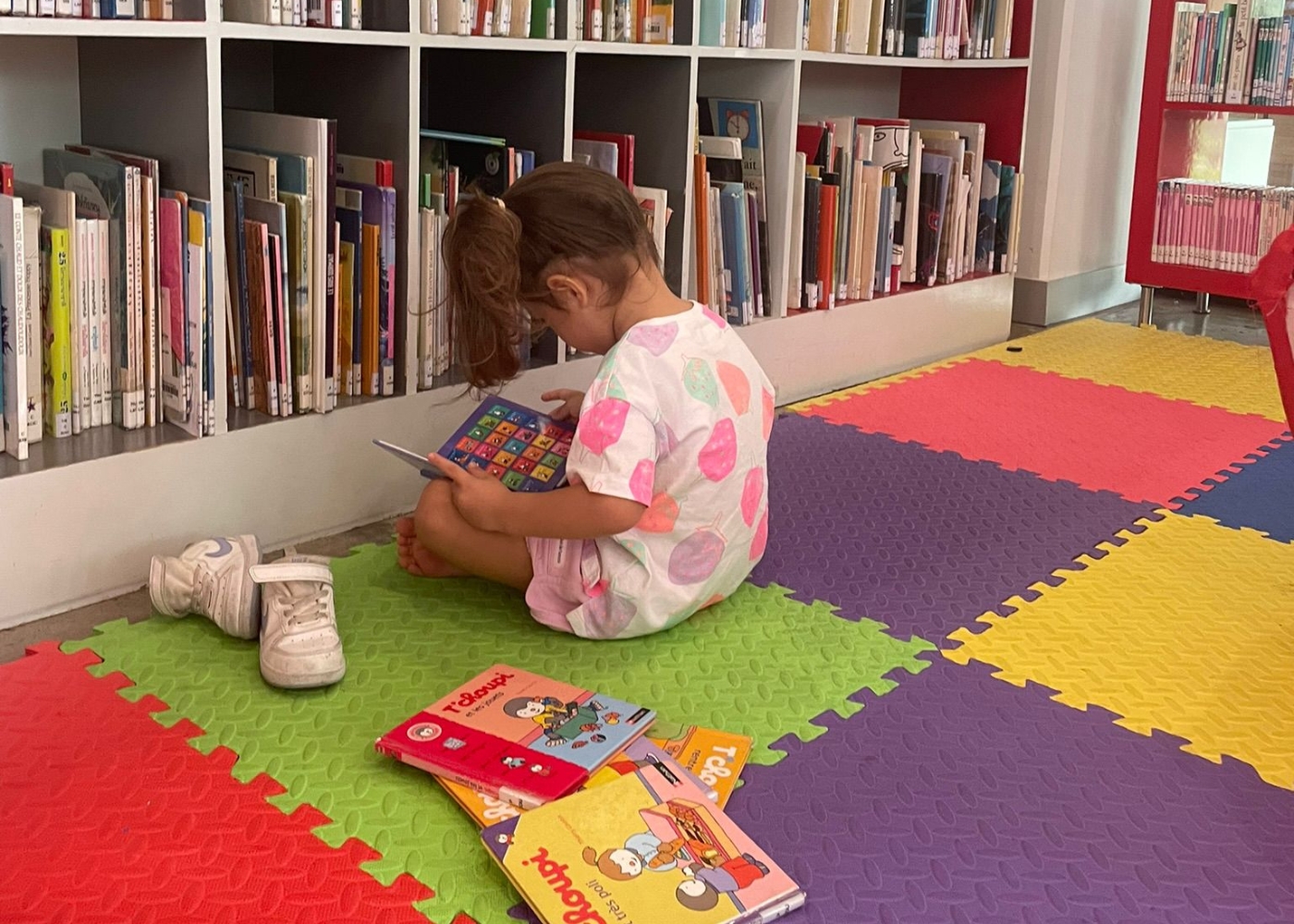
At home we created a multilingual library. We have books in German, French, and English, and I also started adding books connected to my Vietnamese heritage – including American-Vietnamese and Vietnamese authors.
We also try to celebrate traditions or special days from our different cultures. Sometimes it is challenging, especially because both my husband and I have lived away from our home countries for more than ten years. In many ways we are rediscovering these traditions together with our daughter. It becomes a shared learning experience for all of us.
What languages are spoken at home, and how do you decide who speaks what (and when)?
At home we follow a simple approach. I speak French to our daughter, and my husband speaks German. When we speak together as a family, or when we need everyone to understand each other easily, we usually switch to English.
Was there ever a moment you worried about confusion, delays, or “too many languages at once”?
Not really. Before she was born, we spent time reading and learning about multilingual development in children, which helped us feel reassured. We understood that her English might initially be a little slower from children who grow up speaking only English – perhaps a smaller vocabulary at first – but we also knew that language development takes time.
Children eventually figure it out. They learn how to navigate between languages and even play with them. The key is patience.
What has surprised you most about how your child switches between languages?
What amazed us the most is how early she understood the differences. When she was about one year old, she already knew that “yes” and “no” were different depending on who she was talking to. With me it was oui and non, with her father it was ja and nein.
Even at that young age she adapted the language to the person in front of her. It’s fascinating to watch. Children really are like sponges – they absorb everything around them.
How do you keep language learning playful rather than feeling like extra “work” for a young child?
We don’t believe in an academic approach for very young children. At this age, children should first learn how to play, connect with others, socialise, and discover the world.
For me, the most important thing is creating a positive emotional connection with languages.
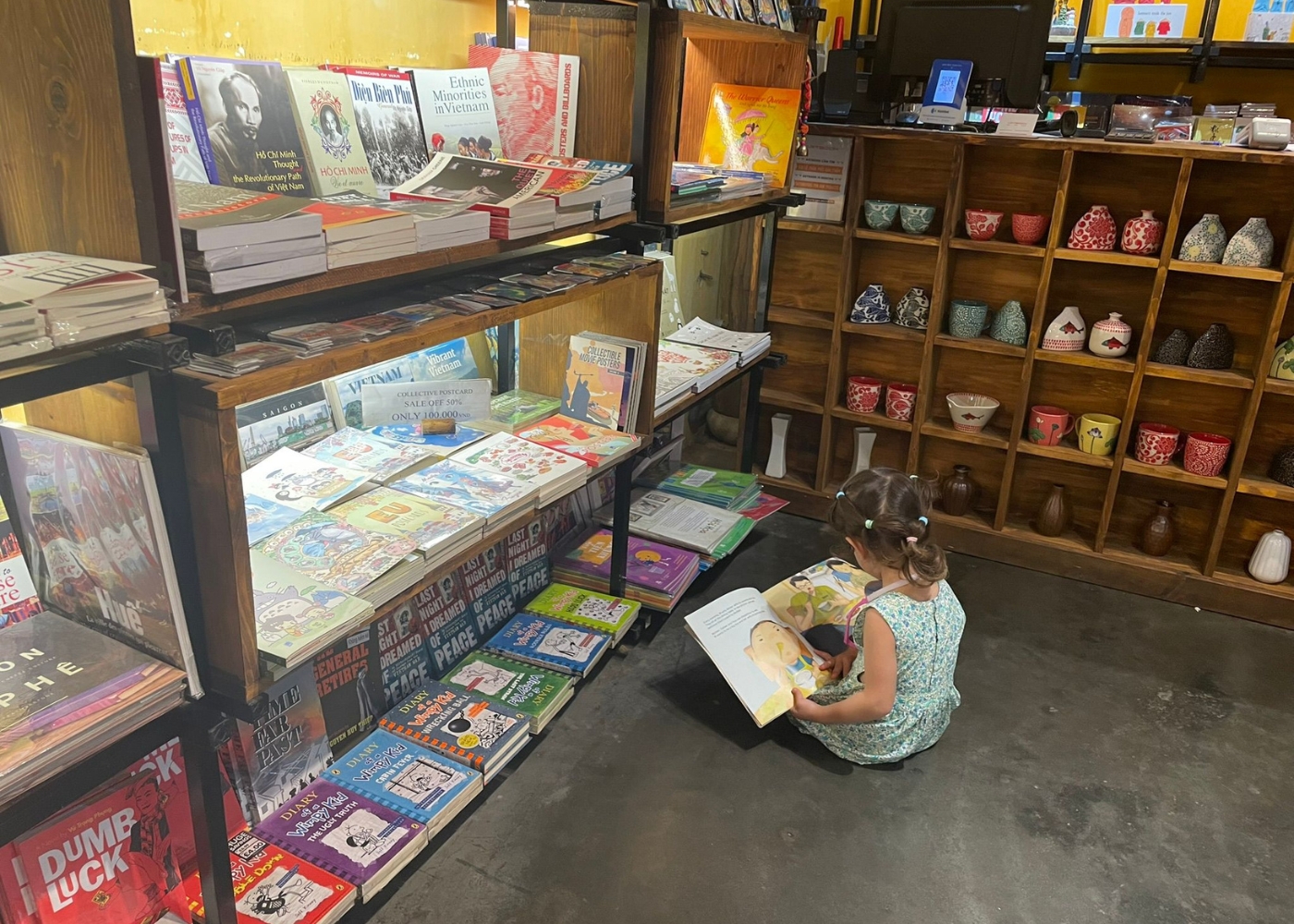
When our daughter turned two, I started reconnecting more intentionally with my Vietnamese heritage and sharing parts of it with her. We built a small library with stories from Vietnamese and Vietnamese-American authors, books about grandparents, family relationships, cooking, traditions, and celebrations. My intention isn’t to teach her Vietnamese, even though I consider my Vietnamese good I don’t have the confidence to teach a language that I do not master and that could be confusing.
I also encourage her to practice her Thai when she wants to buy orange juice or fruits from street vendors. And that builds not only language learning but confidence and connections with people from different cultures.
My goal is not to push her to learn another language. It is simply to create a sense of connection and curiosity, because it is also part of who she is.
Today she can count in Vietnamese and knows some words related to food, traditions, and celebrations. Maybe one day she will want to learn the language more deeply, or maybe not. That decision will belong to her. As parents, our role is simply to open the door, guide, and support.

Sweeten up your inbox! Subscribe to HoneyKids Asia Thailand
What role do schools, caregivers, friends, or the wider community play in supporting multiple languages?
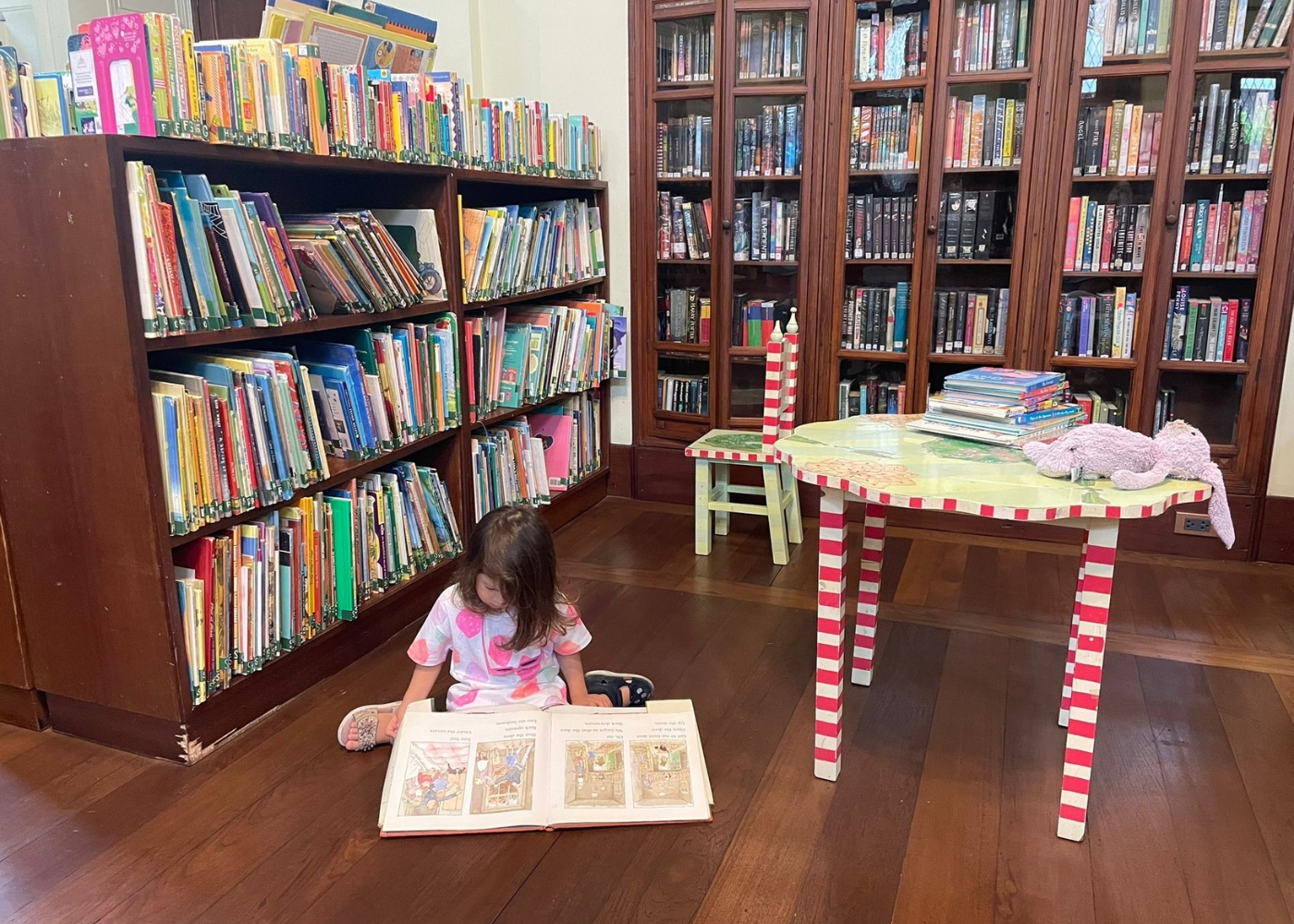
Our daughter learns English and some Thai at Kindergarten, which is very helpful. Outside of Kindergarten we also try to create opportunities for her to hear and experience different languages. We are members of several libraries in Bangkok such as the English library at Neilson Hays, the German library at the Goethe-Institut and the library at Alliance Française.
Are there any mistakes or myths about raising multilingual kids that you’ve personally learned to ignore?
One common misconception is expecting a child to speak every language perfectly. In reality, every child is different and grows in their own pace and language development doesn’t happen in a perfectly balanced way. Some languages will be stronger at certain times, depending on the environment.
Most importantly, children need to be children first. Play, imagination, friendships – these come before academic expectations. Language learning should feel natural and joyful, not with expectations and pressure.
Beyond language itself, what do you hope this experience gives your child as she grows up?
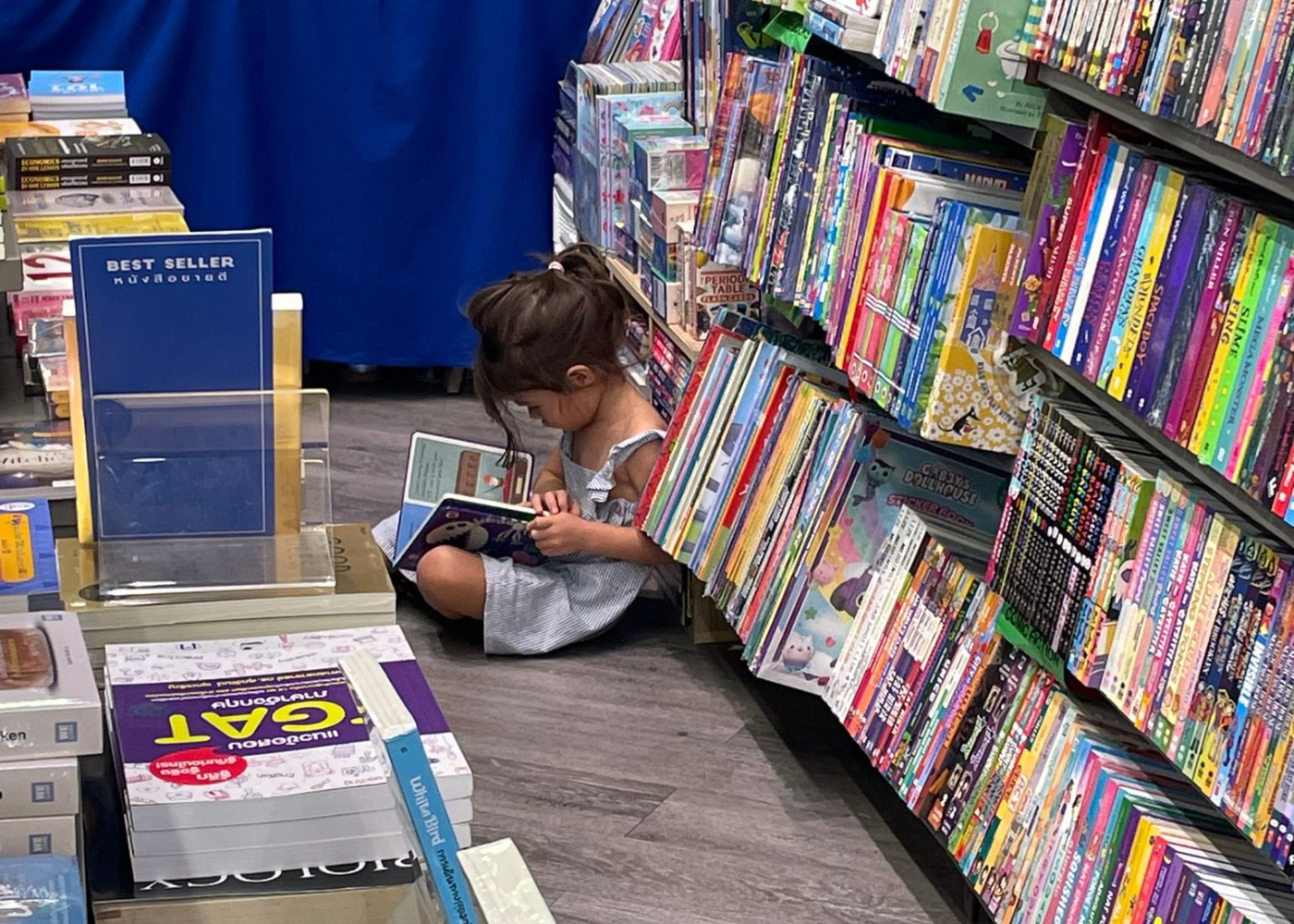
I believe that learning multiple languages helps children develop incredible mental flexibility in the way they think and communicate. They learn how to switch between systems, and understand different perspectives. It can strengthen logical thinking, build confidence, and encourage openness toward other cultures and people.
If you had to give just one piece of advice to parents curious about multilingual parenting, what would it be?
Don’t put pressure on yourself or on your child. Every child is different. Create positive connections with language through play, books and daily life and be consistent. The rest will follow naturally.