There are loads of excellent Chinese enrichment programmes for children in Singapore. The real question is how do you go about choosing one that’s best for your kids? Two of our HoneyKids mums with kids in Chinese enrichment classes share their thoughts on this.
When it comes to academic-related enrichment classes, Chinese programmes are probably some of the most sought after ones. Whether it’s for academic purposes, or equipping your kids with an additional language that’s widely spoken around the world – it’s easy to find language schools or enrichment centres that offer Chinese classes for kids.
The tough part is just this: finding one that is a good fit for your child’s needs. And if you’re still stuck at this phase, or find yourself shopping for a kids’ Chinese enrichment programme again, we’d like to help you narrow down your search.
Without further ado, here are some tips from two HoneyKids mums (including yours truly), who have gone through some ups and downs, to find Chinese enrichment classes that work just right for our kids.
Tip #1: Consider your child’s developmental stage and preferred learning style
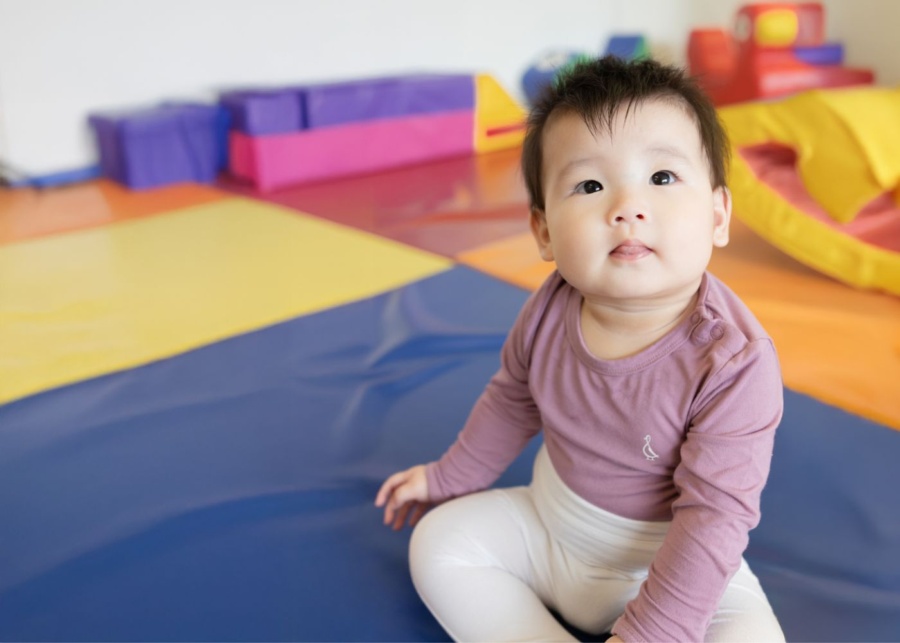
Instead of focusing on ‘what’ a child should be learning, you might want to think about ‘how’ your child can learn best. For example, tots and preschoolers learn best through play. Or if you have older children, consider their preferred learning style. Observe if your child learns best through colourful notes and diagrams, or if they seem to process information through discussions and reading aloud. Not forgetting that there are also children who tend to understand concepts better when there are real-life examples.
Look out for Chinese enrichment centres or programmes that can cater to your kids’ developmental stage and learning style. Consider classes with sensory play or music and movement if you’re looking for a class for bub; or look out for speech and drama-styled Chinese classes for your expressive child.
Esther’s experience: My three year-old started at an arts-based Chinese class, but struggled to follow lessons. He found the traditional classroom setting and delivery of lessons boring. We switched him to a play-based programme, where the teacher would create sensory trays based on the lesson’s theme. He didn’t just enjoy the class; he was slowly building his vocabulary as well. It occurred to me that since kids his age are naturally drawn to sensory play, learning Chinese through a method that matches his developmental milestones would be more worthwhile.
Tip #2: Appreciation of language and culture are just as important
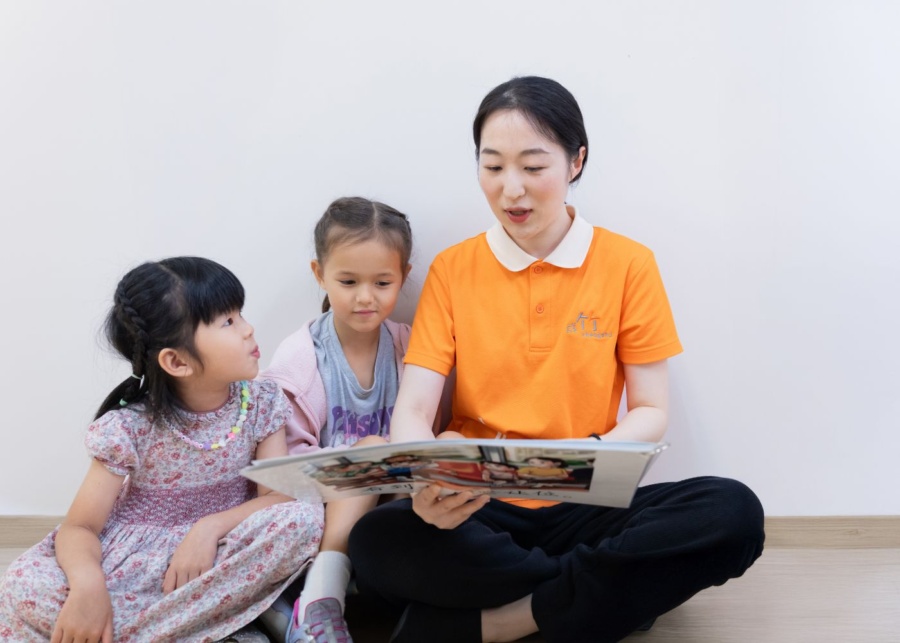
Language is culture. Learning the Chinese language without linking it to Chinese culture makes it harder to grasp. The usage of certain Chinese words and expressions can sometimes be linked to cultural references and rooted in rich history. This is often the case for idioms or proverbs, which usually have an interesting story or cultural practice behind them.
Understanding the origins doesn’t just help with our children’s speaking and writing skills, it also demonstrates a deeper appreciation for the language and culture. Furthermore, don’t most kids enjoy a good story during lesson time?
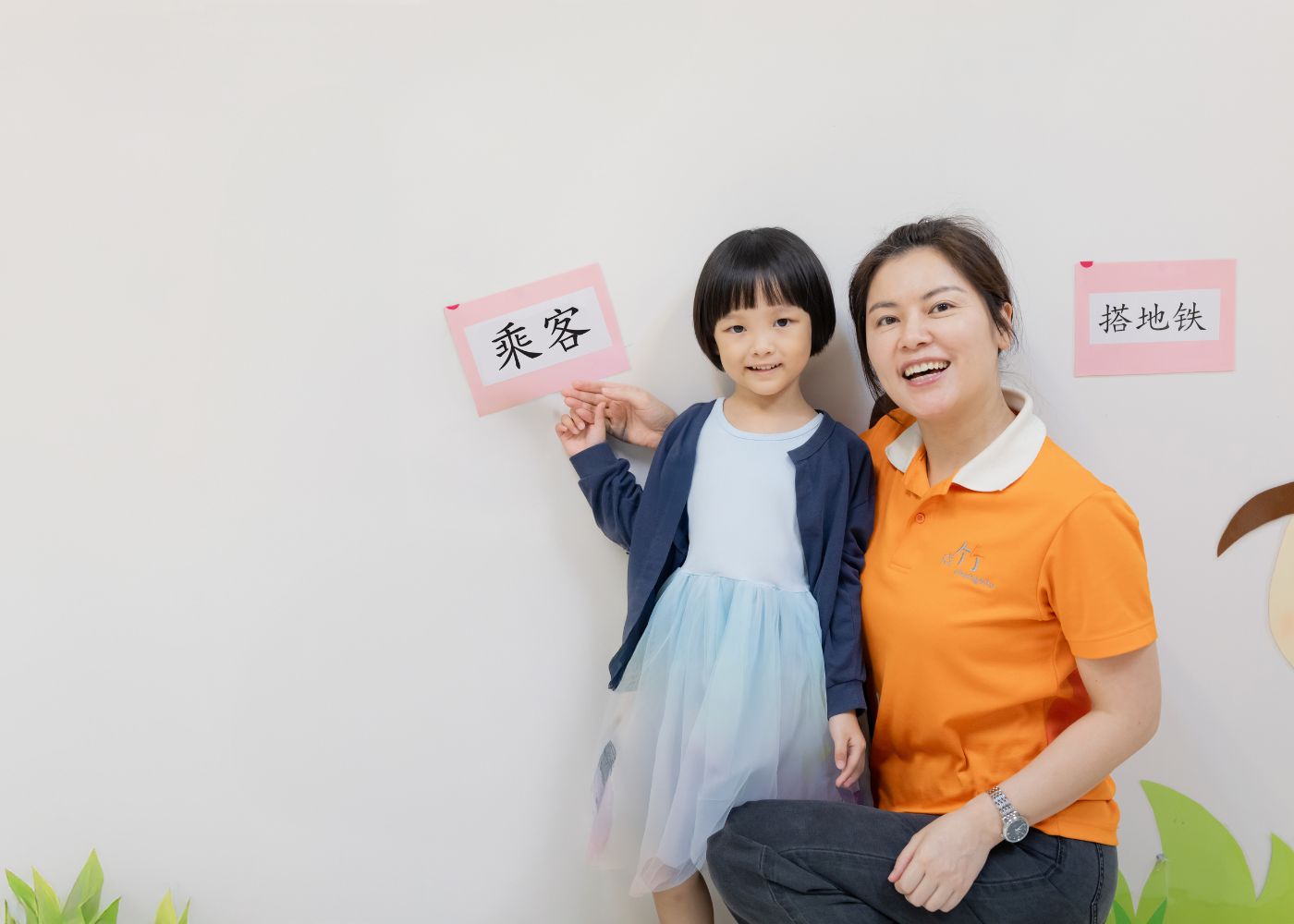
Andrina’s experience: While it’s true that we send our kids to Chinese enrichment classes to help with their Chinese exams at school, it shouldn’t be at the cost of appreciating the language. Incessant drilling without relating to culture leaves them no understanding and appreciation for the Chinese language. I like how Chengzhu Mandarin Centre teaches with stories and games. I found that not only did my son learn better, but he could explain the stories behind certain phrases to me. And even if he couldn’t write certain words, he knew what they meant and how to use them in a sentence.
Tip #3: Don’t hesitate to pull your kid out if they are not enjoying it
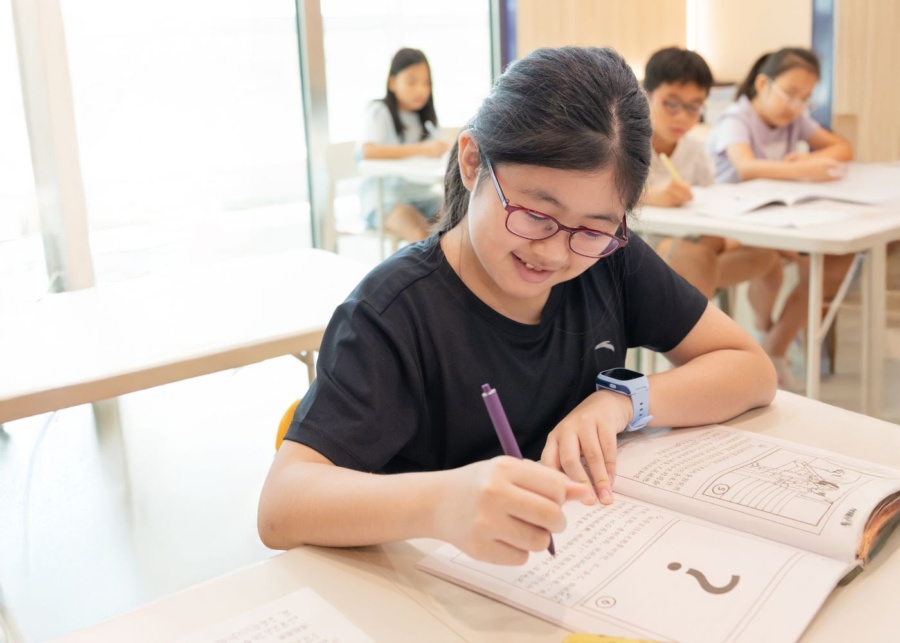
We understand that this might be hard, but it’s better to discontinue a programme if your child shows signs of unhappiness or unwillingness to attend classes. Regardless of how popular a Chinese enrichment programme is, your child won’t be able to reap the benefits if they are unhappy in the class.
It’s important to remember that education isn’t a one-size-fits-all. What may be suitable for other kids may not be the same for yours. After all, happy children are better learners.
Andrina’s experience: I enrolled my son in a highly popular Chinese enrichment programme, one that had lots of positive reviews from parents. Unfortunately, it didn’t work out for my son as he would cry and and kick up a huge fuss when it was time for class. My instinct told me this was unusual, as he never cried about going to preschool, which I know he enjoyed. We tried a couple of trial classes by other centres, but the one that got him smiling and actually asking to go back was Chengzhu’s. It showed in his school results too. He was happy there, which helped him master Chinese.
Tip #4: Results happen over time, not overnight
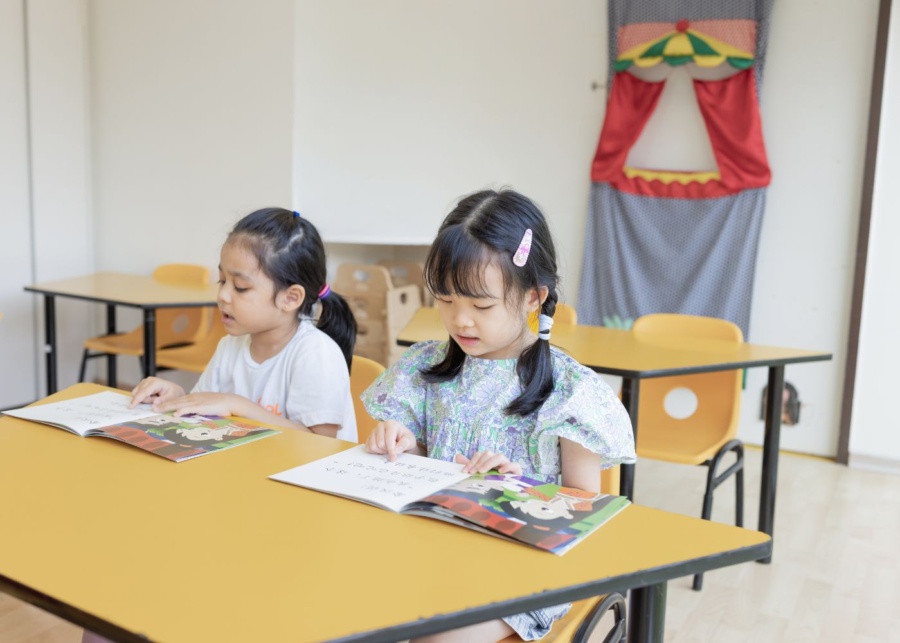
Even the best teachers are not magicians – so don’t expect your kids to start reading and speaking Chinese like a pro after one or two classes! What’s more important is that they enjoy the classes and show interest in learning more.
Small things like your kids remembering the story that was read to them during Chinese class, telling you the Chinese name of a fruit they just learned, or simply wanting to attend another class are all positive signs. In fact, why not record your kids’ Chinese language skills after every class so you can see the progress yourself? You’ll be surprised to see how far they’ve come by the end of the term.
Esther’s experience: It wasn’t until when my child turned four that he could have a full conversation in Chinese with me. Sure, he could remember the Chinese songs and poems sung in class, as well as individual vocabulary. But his confidence in stringing words into sentences, and sentences into conversations took time. I’m truly happy with his progress, and I believe it’s due to him learning in the way he enjoys and does best.
Looking for an immersive and engaging Chinese enrichment programme for your kids?
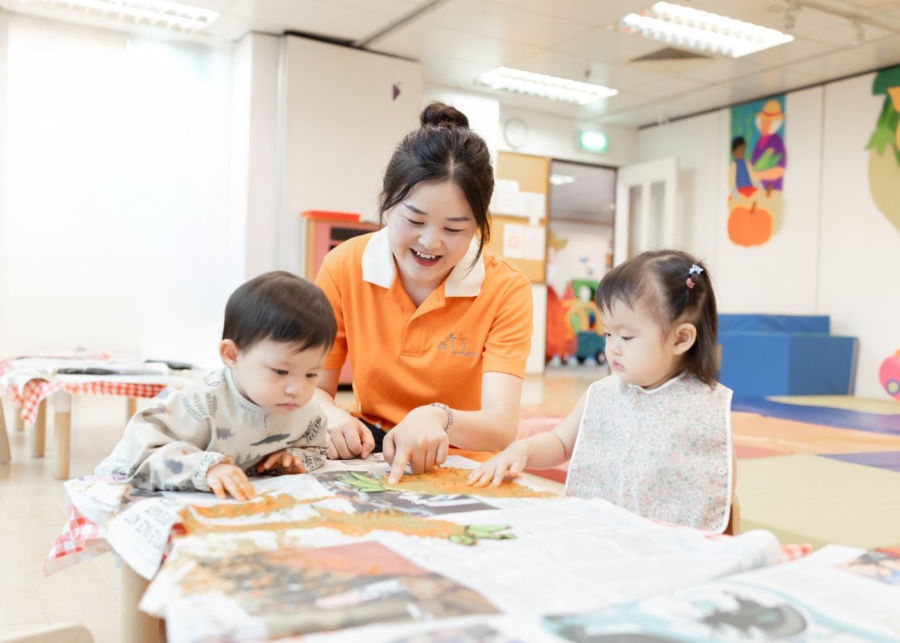
Chengzhu Mandarin Centre offers this to children as young as six months old! The centre’s youngest students learn through play-based experiences that are aligned with their development (think: music, movement, and sensory activities). In the Foundation Years Programmes for preschoolers, kids pick up Chinese through Chengzhu’s unique EduDrama methodology, where language comes to life through drama and storytelling. There’s also a Chinese Cultural Arts class that provides students with a full cultural and language immersion learning experience.
For those aged seven to 12, Chengzhu offers programmes that prepare them for the Singapore Primary School Leaving Examination (PSLE). Rest assured that classes will be taught in the engaging manner that the centre is known for, with a slightly different focus to help students succeed in the school and the exams.
You can find out more about Chengzhu’s programmes through its website, or experience it firsthand with a trial class in any of its four centres.
This post is in partnership with Chengzhu Mandarin Centre.