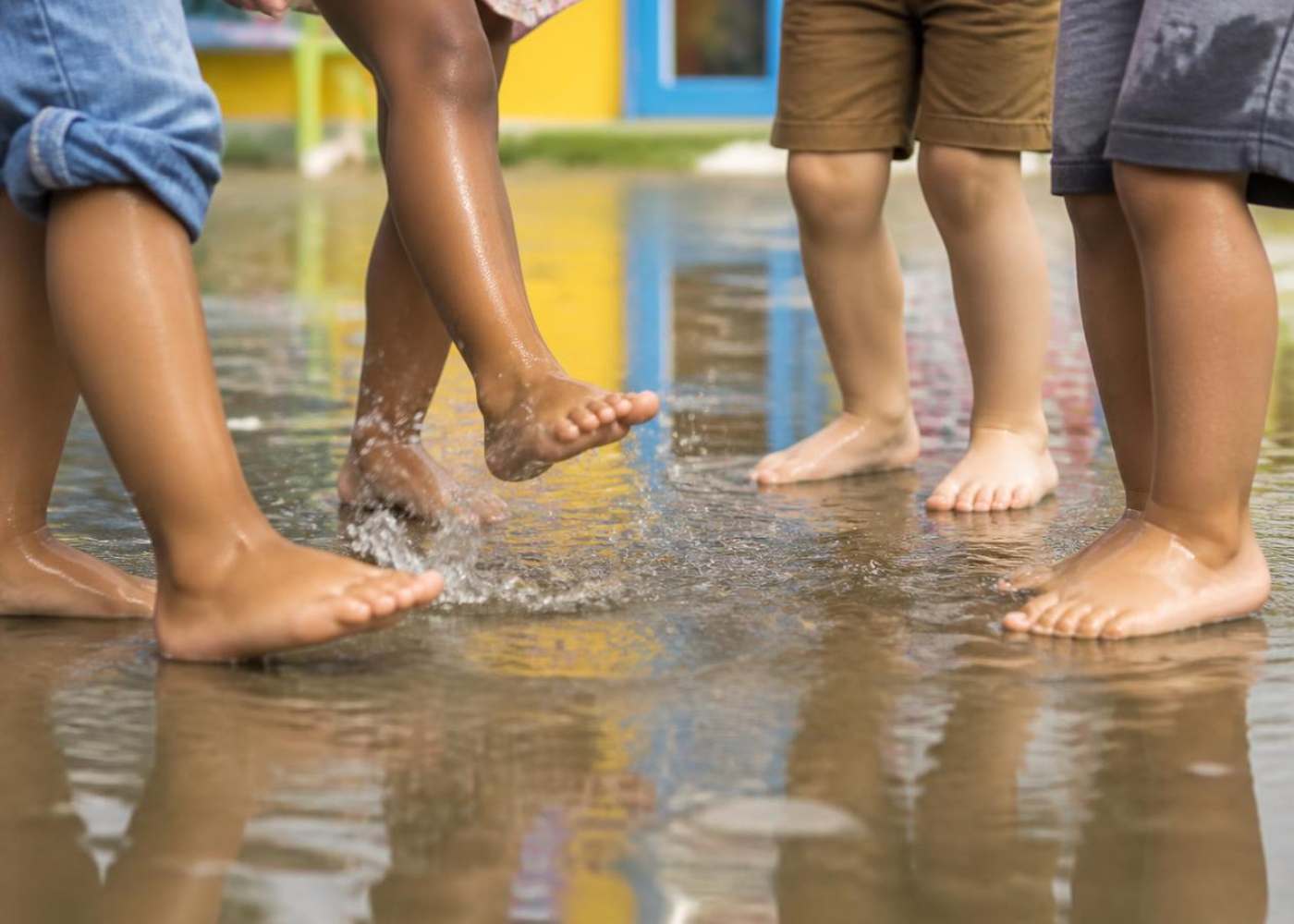
A Singapore mum on spotting the signs, seeing the right specialists and what she finally learned about flat feet in kids, from a podiatrist and Dr. Kong to Orchard Health Clinic.
Nobody hands you a checklist when you become a parent. You figure most things out through a combination of ChatGPT-ing at midnight, calling your mother, and occasionally, when the situation is specific enough, actually seeing a specialist. Flat feet fell into that last category for us. And like most things in parenting, by the time I had a proper answer, I realised I’d been sitting on the question for longer than I thought.
How do you even find out?
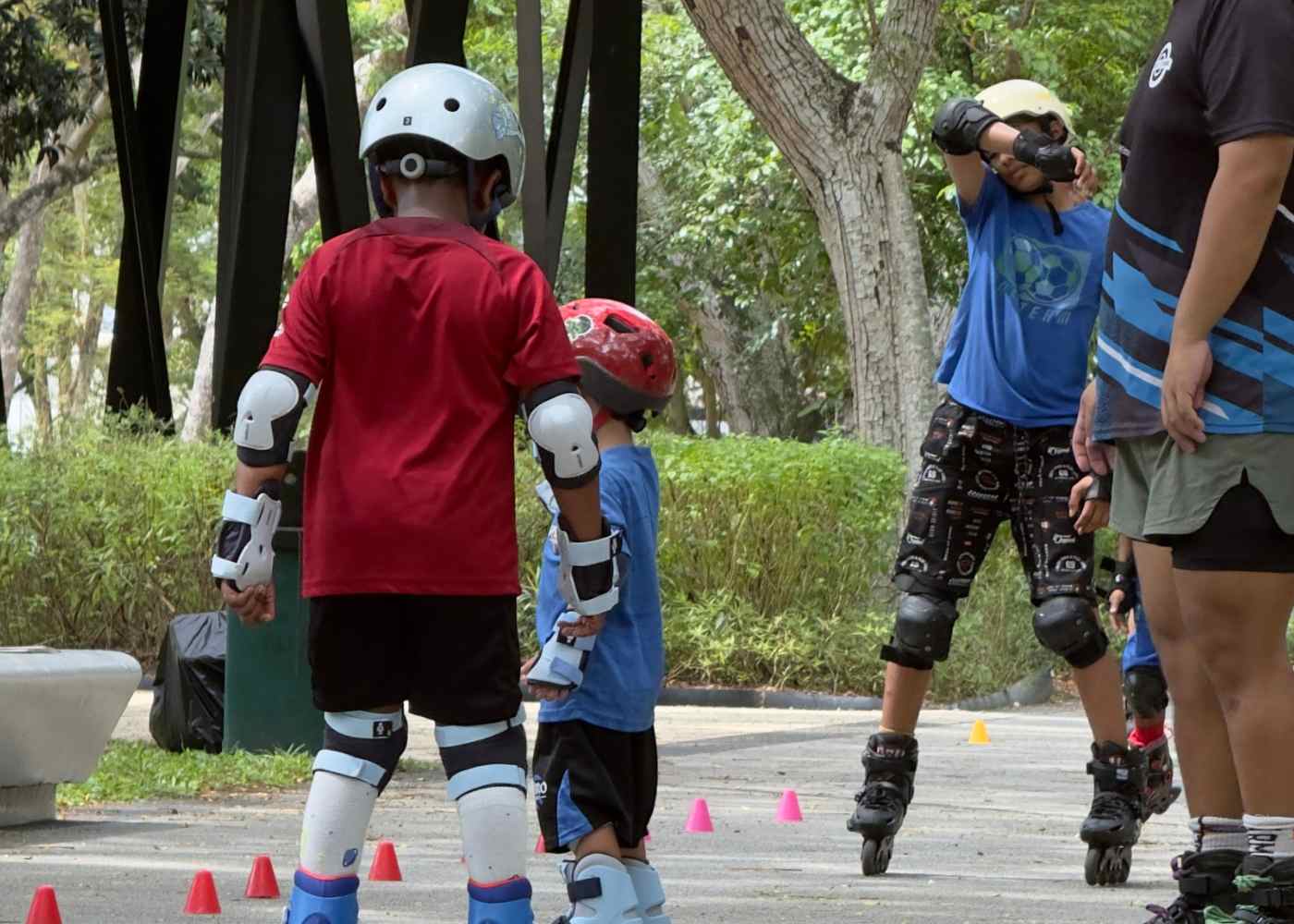
In our case, it was rollerblading.
My son is that child. Sporty, always moving, perpetually in some kind of motion that involves either a ball or wheels. Football. Swimming. Running around with the kind of energy that makes me tired just watching. So when he started falling during rollerblading, which, fine, is part of rollerblading, I didn’t immediately clock it as a problem. But the pattern was hard to ignore. Every time he went down, his ankles were folding inward. Not outward, not sideways. Inward, consistently, like his feet had decided that was simply the direction they preferred.
Then came the complaints. Tired legs. Sore feet after football. Asking to sit down on walks he’d previously done without a murmur. For context: this is a child who once insisted on completing a 5km park run with a blister the size of a fifty-cent coin. The sitting-down requests were not normal.
In Singapore, flat feet in children are typically assessed by podiatrists, paediatric physiotherapists, osteopaths or chiropractors, and orthopaedic specialists. Some parents start with their paediatrician for a referral. Others go straight to a specialist shoe fitting. There is no single right path, it depends on whether your child has pain, how old they are, and what you’re trying to understand.
This is, it turns out, exactly how Martin John, founder of Orchard Health Clinic, says many parents first notice something’s off. Not from looking at their child’s feet, but from changes in behaviour. “A child may begin avoiding play or certain activities, keep asking to be carried on walks they previously managed, or simply say their legs feel tired rather than painful,” he told me. “They may also trip more often or develop a gait or posture that appears noticeably uneven or stiff.”
More subtle signs? Shoes wearing unevenly. The heel of one shoe collapsing inward. Socks repeatedly twisting around the foot. One foot turning out noticeably more than the other. None of these things alone means there’s a problem, but if they’re showing up together, it’s worth getting properly assessed.
What do you do when you find out?
First: breathe. Most children are born with flat feet. I did not know this. I assumed a flat foot was a structural anomaly you were unlucky enough to have, not a completely normal developmental starting point for the majority of humans on earth.
Like most parents, we did what any mildly anxious Singapore mum does when something seems off: we started working through the options. First, a podiatrist, who was genuinely excellent. Clear, informative, and sent us away with exercises to do at home. Helpful. Reassuring, even. But if I’m being honest, we weren’t yet at the stage where we felt moved to commit to a treatment plan. We were still in the “let’s understand what we’re dealing with” phase.
Then came Dr. Kong, the specialist shoe brand that has built an entire philosophy around problematic feet. Worth knowing about if you’re in this situation, because the footwear piece is real and we’ll get to that.
Eventually we landed at Orchard Health Clinic, where Martin John sat down with us and said something that immediately reframed my panic: most children are born with flat feet. “The arch develops gradually as the muscles, ligaments and nervous system learn to support the foot,” he explained. Most of this development happens between ages two and six. By seven to ten, the process is largely done. For young children, flat feet are often just feet being feet while they figure out the job.
What matters more than the shape of the arch, he said, is what the foot can actually do. “A flat foot is actually less important than what that foot can do. Can the child run confidently? Can they balance on one leg? Is their posture even? Can they do normal activities? Those questions tell me far more than the shape of the arch itself.”
In our case, the answer to several of those questions was shaky. Which is why we were sitting there.
What’s next?
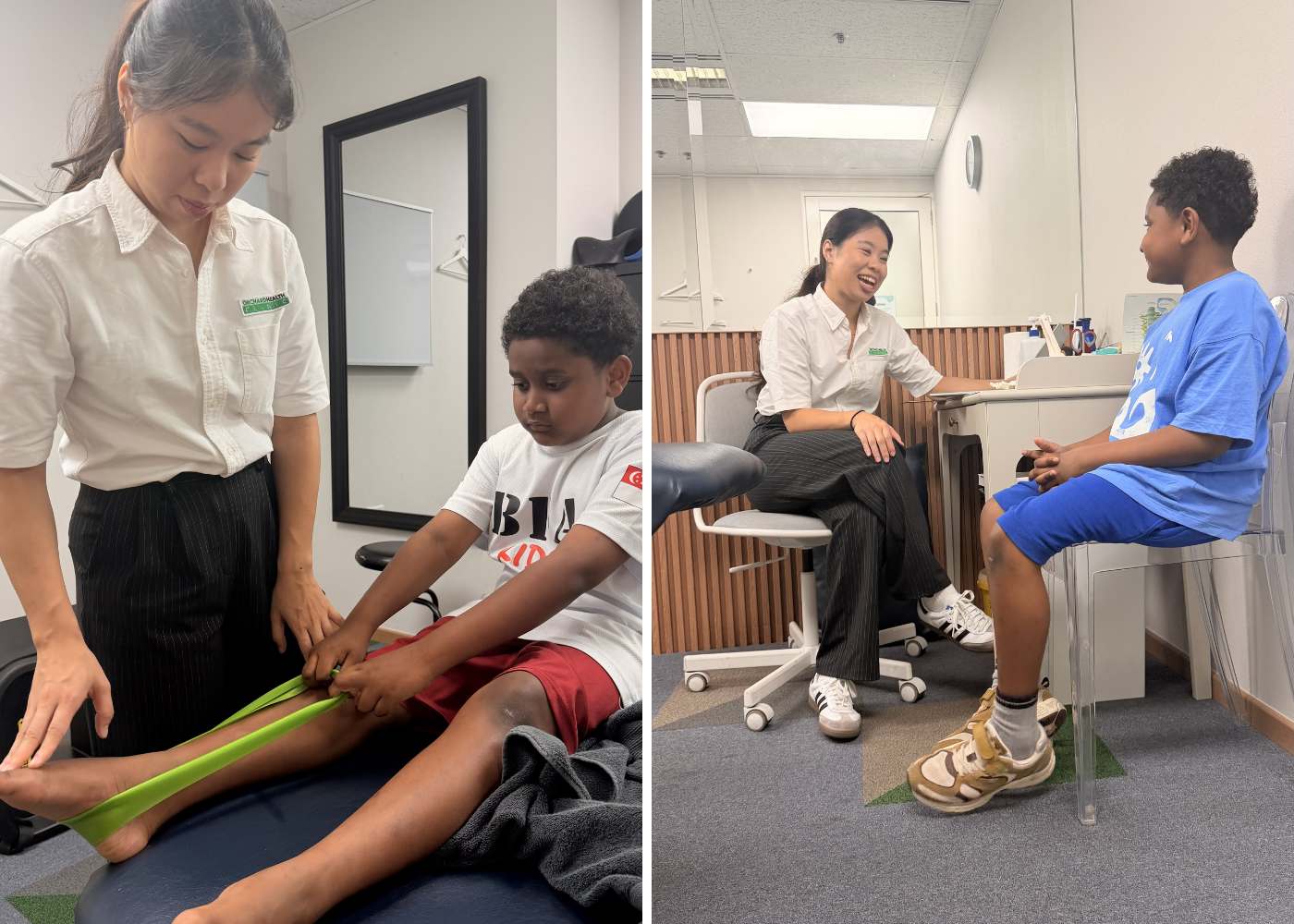
Treatment, if your child needs it, won’t look the same for every child. One child may need help with balance and coordination. Another may need better hip stability. Some may benefit from orthotics or better footwear, though Martin is clear that these should support development rather than become a permanent substitute for it. “The goal isn’t to build a better-looking foot. It’s to build a foot that no longer needs to compensate.”
For pain, improvement is often seen within six to twelve weeks. For developing better movement and stability in a growing child, think months rather than weeks. Worth it. Do it early.
And if your child has flat feet but is otherwise developing normally, pain-free and keeping up with friends? “Wait and monitor” doesn’t mean doing nothing, Martin told me firmly. It means making sure development continues as expected. If that changes, reassess.
Do shoes matter?
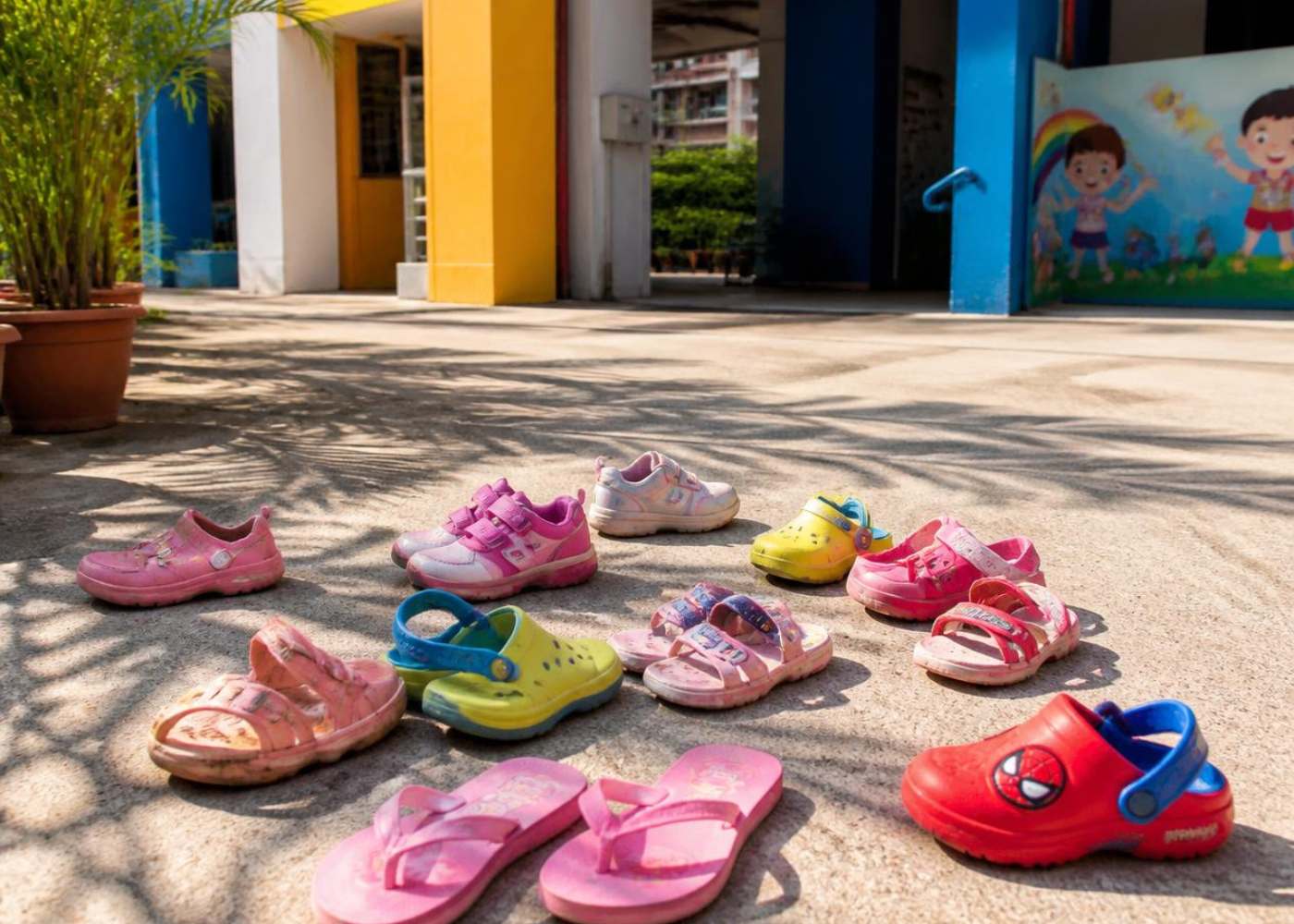
Yes. But probably not in the way you think.
We are a nation of hard floors and flip flops. Marble tiles at home, school shoes eight hours a day, void deck concrete on the way to the car. Singapore children spend an enormous amount of time on flat, hard, predictable surfaces, which, from a developmental standpoint, is the equivalent of giving the nervous system the same lesson on repeat.
“The foot is like any other part of a growing child,” Martin said. “It develops in response to the environment. If we spend all day on flat, hard surfaces wearing the same type of footwear, even supposedly orthopaedic shoes, we’re giving the nervous system the same lesson over and over again.”
What he recommends instead is variety. Grass, sand, slopes, climbing, balancing on different terrain. Not the best shoe — the best environment. Barefoot time at home where it’s safe. The East Coast Park cycling path counts. So does the playground at Bishan. The kampung experience we keep romanticising actually had developmental merit, it turns out.
My son is doing his exercises. The rollerblading is on pause, and he is more upset about this than I am. We’re also spending more time at the park and less time on the marble tiles, which, given Singapore’s weather, requires a certain commitment.
Nobody told me parenting would involve this much podiatric education. But here we are.