Think drama classes are only relevant if your kid is into the performing arts? Think again. This enrichment programme doesn’t just develop soft skills, but is known to help your children excel academically too.
As parents, we’re often spoilt for choice when it comes to looking for kids’ enrichment programmes in Singapore. From academic subjects-based classes to music programmes, as well as sports-focused ones to even martial arts – there’s a class for every child.
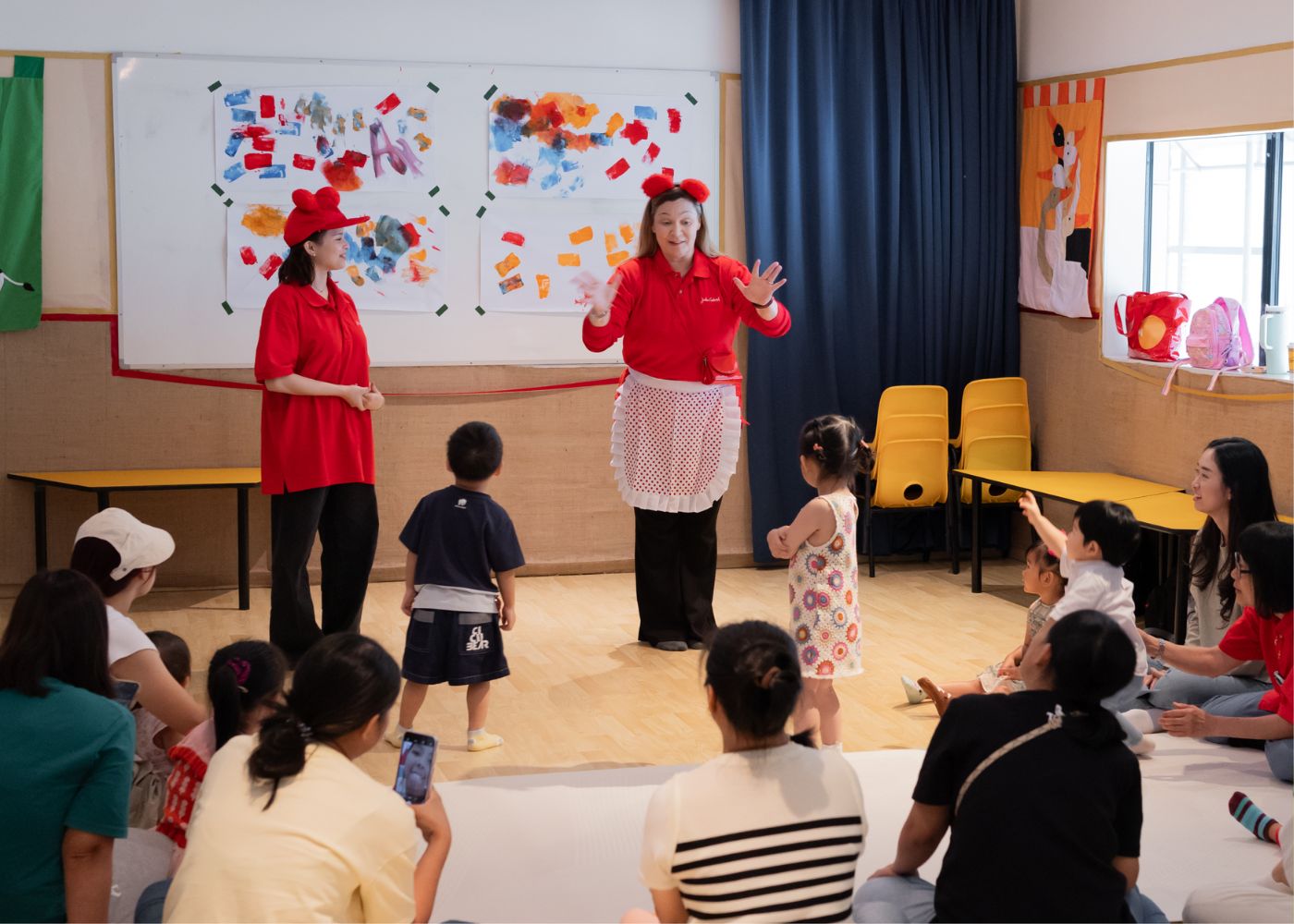
When it comes to enrichment classes, most of us tend to follow a familiar formula – spot your kids’ interests, plug the gaps, and sign them up accordingly. This is probably why drama classes often tend to get filed under “only for theatre-loving kids” or “only if my child is a natural performer”. But here’s the thing: drama isn’t just about acting in the spotlight. Most kids find drama classes fun as it involves lots of pretend play, and they get to reap many benefits from these classes while having fun at the same time. Here are a few reasons why you might want to consider signing your kids up for a drama class.
1. Drama classes help strengthen your kids’ communication skills
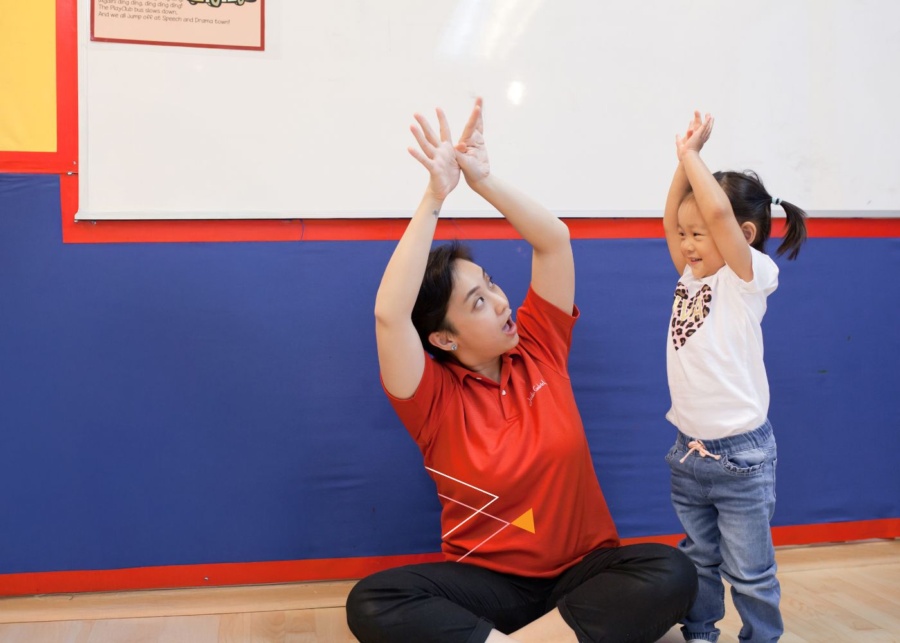
One of the most well known benefits of drama classes is its impact on a person’s communication skills – and we’re not just talking about verbal communication. When it comes to speaking, children are taught to express themselves not just clearly, but with appropriate movement (ie. body language) and facial expressions as well.
Besides expressing oneself, another important aspect of communication is listening. Being a part of a shared conversation requires kids to actively listen in order for them to be able to participate meaningfully, strengthening their interpersonal skills.
2. Drama classes nurture resilient children

Life isn’t a bed of roses, so teaching kids to be resilient can help them cope and bounce back from setbacks they may encounter in school or in the real world. And drama class helps cultivate that through role-playing.
Learning how to play a character also means learning about emotions, particularly how a character would respond in different situations. This helps them become more aware of their own emotions, which helps with emotional regulation, thereby building resilience.
Pro-tip: Some drama schools go a step further by incorporating social-emotional learning aspects into their lessons. You can check with the centres or schools that you’re interested in if they provide this. For example, part of Julia Gabriel Centre’s EduDrama approach is that it provides children with an emotionally safe space to express themselves, as well as positive relationships with its educators.
3. Drama classes help with reading and writing too
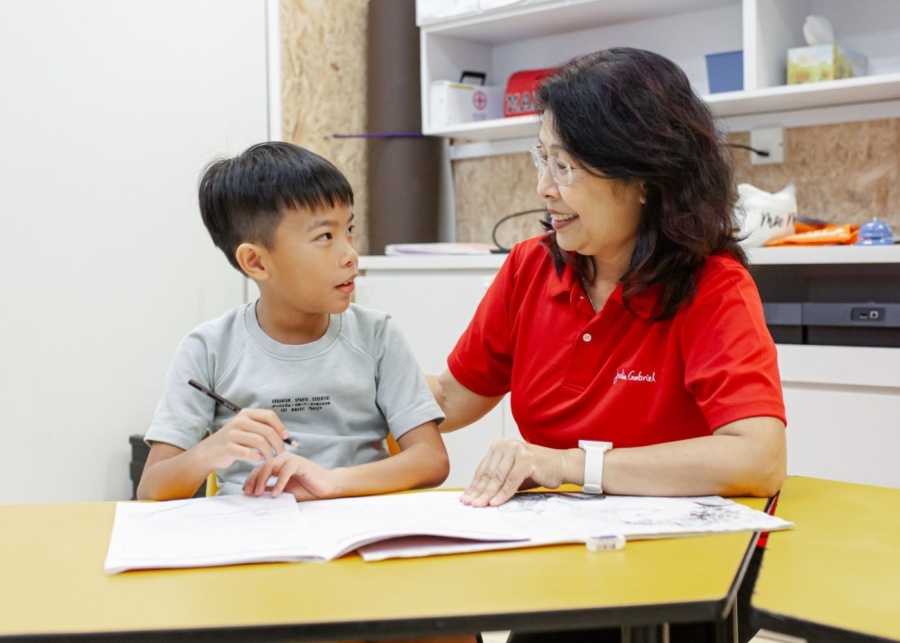
There are studies that found drama students are more proficient at reading, have a wider vocabulary, and even score well in exams. But what has reading and writing got to do with drama? Reading and writing help students develop thematic vocabulary, understand and appreciate voice, tone and meaning in text. It also helps students to form personal and critical opinions about different texts and issues. By infusing drama activities into reading and writing classes students can also begin to respond creatively to texts.
Pro-tip: Drama enrichment centres like Julia Gabriel Centre often incorporate a student showcase or production as part of their programme. This is where kids get to really work on their language skills which could include scripting, storytelling, and poem recitals.
4. Drama classes teaches children future-ready skills
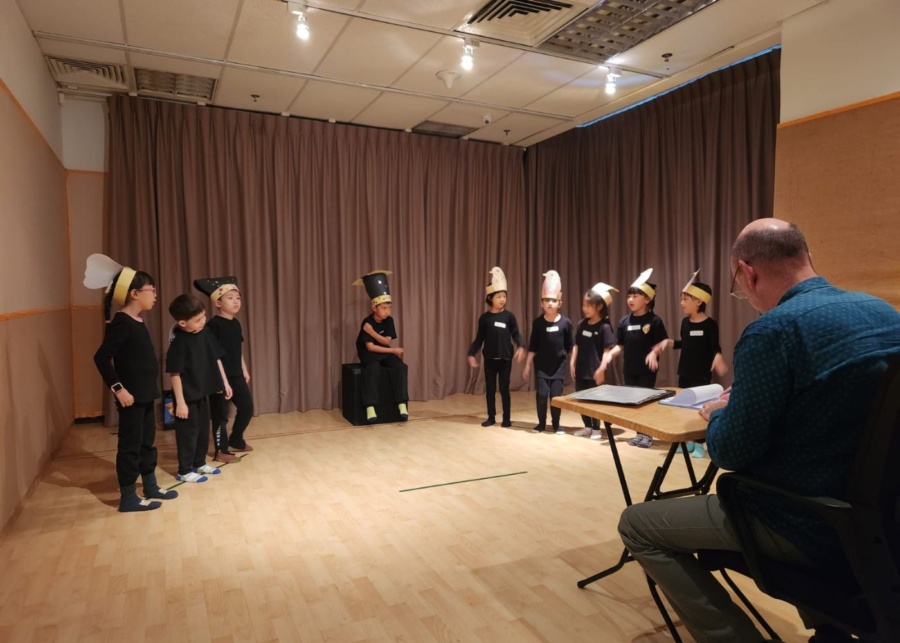
We’re talking problem solving, creative thinking, a growth mindset, and many more – all of which will help our kids adapt and thrive in our rapidly changing world.
Being an art form, drama classes are known to help develop children’s creative thinking skills whether it’s bringing a character to life or creating their own stories. Problem solving is also part and parcel of the learning experience, where improvisation is sometimes required should there be a missing line or a damaged prop. Last but not least, kids go through lots of practice and rehearsals to put on a good show, which shows the importance of constantly improving.
Pro-tip: Kids can start picking up these skills from drama class from as early as their preschool years. You can check out Julia Gabriel Centre’s Speech & Drama programme, which uses drama to develop problem solving skills as well as healthy focus among kids as young as three years old.
5. Drama classes fosters empathy
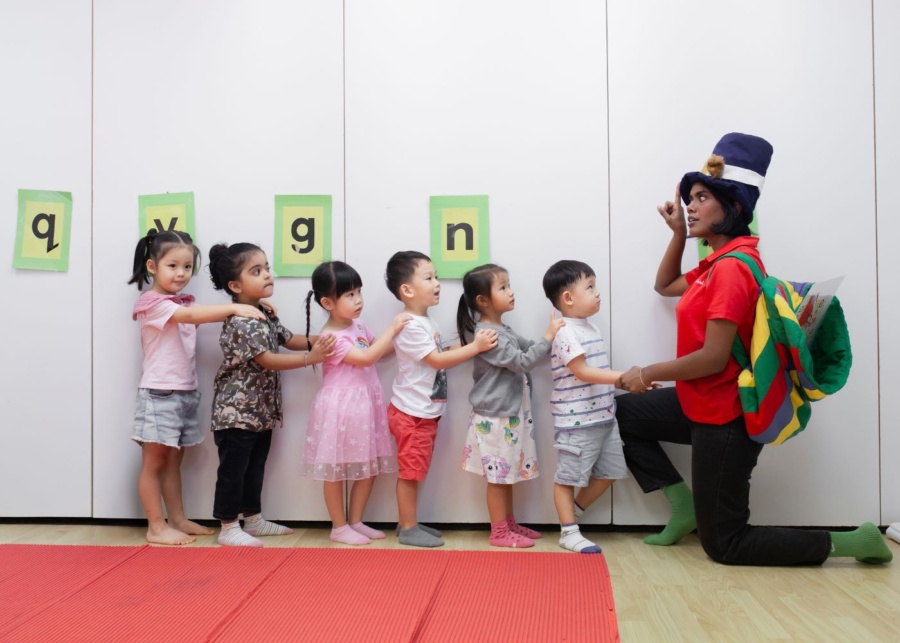
Being able to understand other people’s feelings and perspectives is a valuable trait. It helps children build stronger relationships with people in their lives and establish trust, which can be vital in school and beyond. Drama classes offer children the chance to step into a character’s shoes and see the world from a different point of view. This can teach them to be more understanding towards people from different backgrounds.
Thinking of signing your kids up for drama class?
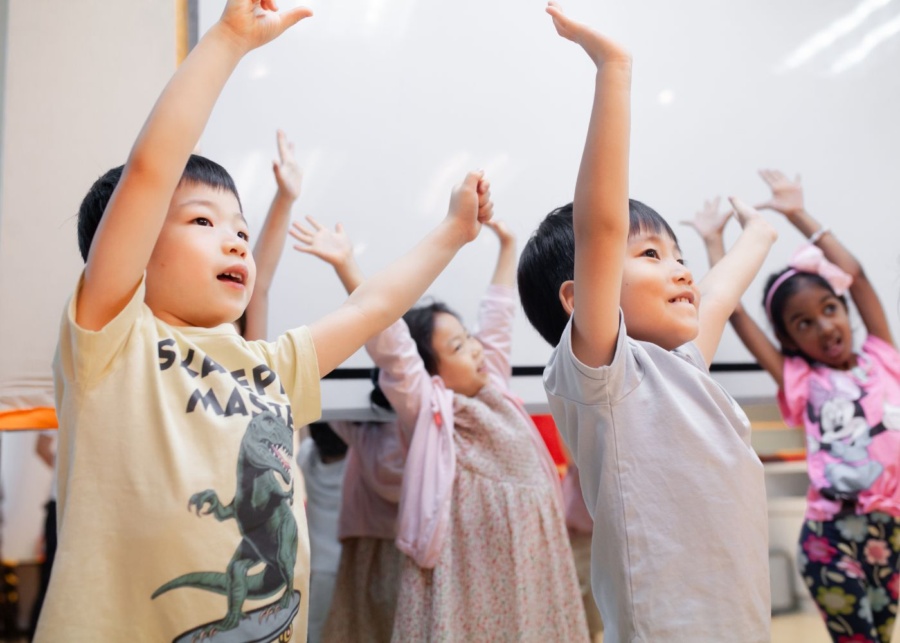
When it comes to speech and drama classes for children, Julia Gabriel Centre is pretty much a household name in Singapore. Founded by Julia Gabriel, a speech and drama teacher, more than three decades ago, the centre is known for its unique EduDrama methodology (developed by the founder herself), which uses drama to help kids achieve learning milestones following their natural progression.
Some of Julia Gabriel Centre’s offerings include its Drama and Communication Programmes for children aged three to 18, following syllabus set by Trinity College London. Its early childhood programmes are immensely popular among parents as well, with PlayNest catering to babies as little as six months old; and PlayClub for tots aged 18 months to three years old.
You can find out more about Julia Gabriel Centre’s programmes through its website, or let your child experience it firsthand through a trial class.
This post is in partnership with Julia Gabriel Centre.