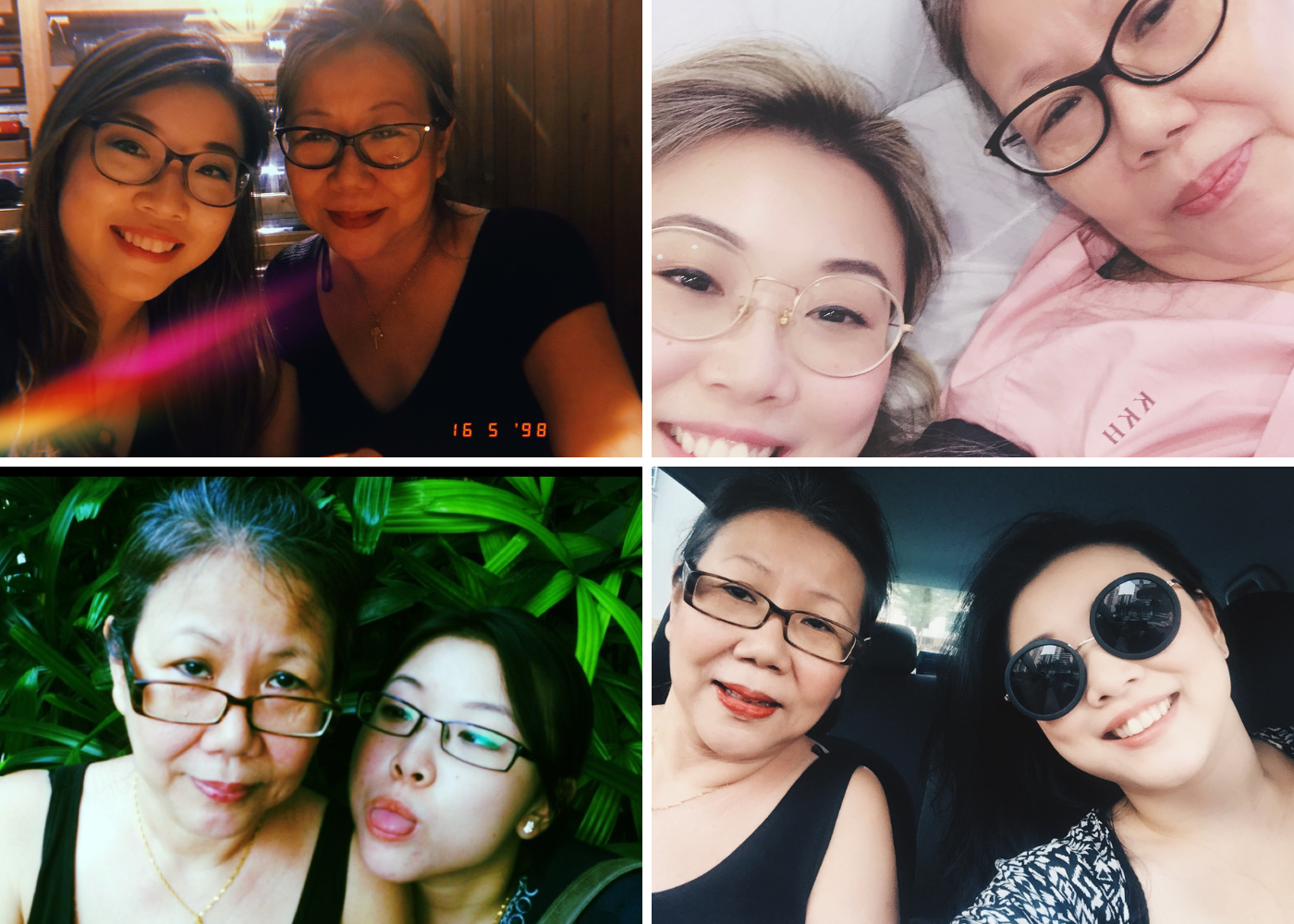
Mother's Day without your mum. How do you navigate this every year? We sit down with Denise Tan, and talk about how grief taught her to never stop celebrating the people we've lost.
“Do you want to do something for Mother’s Day this year?” I’d text my younger brother, every year, for the past six years.
But of course we must. There’s no point marking her day without the food she’d have enjoyed most. So I’d make the booking, from what was an annual Mother’s Day booking for three, it’s now a table for two.
The ritual we couldn’t bring ourselves to stop
My mum passed away six years ago. You’d think we would have quietly retired the ritual by now, let it fade the way Hallmark occasions do when the person at the centre of them is gone. But my brother and I could never bring ourselves to stop. Not going feels too much like forgetting. The same goes for her birthday — June 10th. We still celebrate it. We still celebrate her.
What she would have ordered
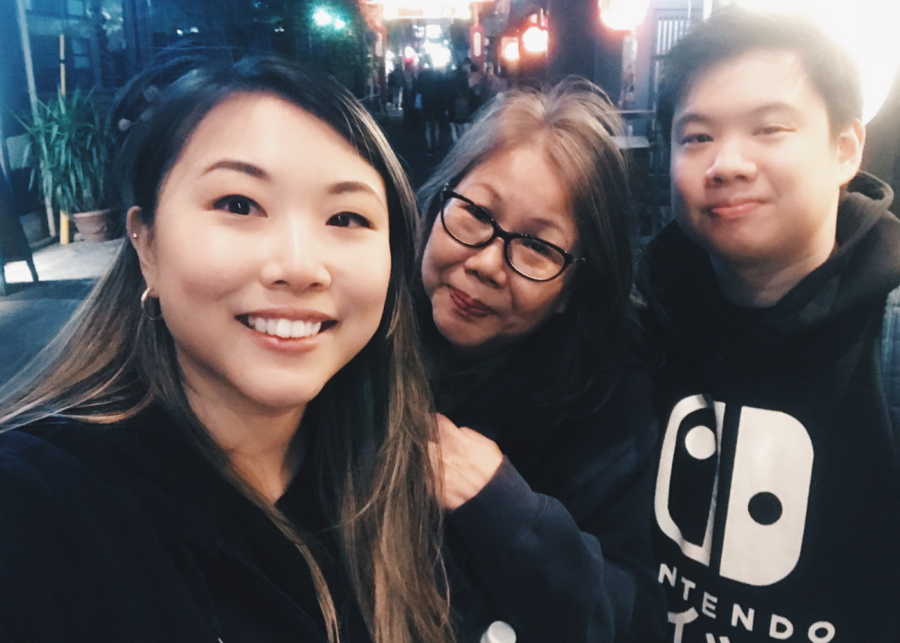
She may no longer be present, but marking the occasions where she had the most presence when she was alive gives us something to hold onto. For Mother’s Day specifically, my mother was a simple woman in the best sense: oysters, steak, or sushi. Those were her three. My brother and I follow the same template now, trying new restaurants that do at least one of the three, and we spend the meal discussing how much she would have loved it. Sometimes I cry briefly, in the middle of dinner, and then we go back to talking about our lives. It’s like she is still here, except she isn’t; and as crushing as it can be to sit through meals in memory of what we’ve lost, we still wind up feeling closer to her again.
What she packed for me before she left
One conversation that always finds its way to the table: what Mum would make of how I live now.
She and I were close in the way that felt almost conspiratorial. We talked about the boys I had crushes on, the boys she’d dated before my dad, the full architecture of married life. She was my best friend growing up, and somehow, even then, she seemed to know she wouldn’t be around long. She was a heavy smoker, and I think I always sensed, even as a child, that she was preparing me. Not dramatically. Just steadily. Passing things on, like she was quietly packing my bag before a long trip.
One of the things she packed: don’t let the marriages of others make you feel left behind. She phrased it in her own way, but I know what she meant. I’d want to tell her now that I’m watching more friends get divorced than married, and how much of a relief it is, frankly, to have been spared the particular disillusionment of that.
Why satisfaction and peace aren’t the same thing
There’s something else I’d tell her. Later in her life, after her closest sister — the one she loved most — died of breast cancer, I watched my mum withdraw. She stopped letting people in. She repressed her anxieties the way women of her generation were taught to do, and I’ve always felt that the weight of all that unexpressed grief made it harder for her body to recover from her own cancer. She just didn’t have enough people around her. Her world had narrowed to my brother and me, and she seemed satisfied with that — but I’m not sure satisfaction and peace are the same thing.
I, on the other hand, stumbled into a tribe somewhere in my late thirties. Single women, married women, divorced women — all pulling toward each other. I wish I could have shown her that. I wish I could have said: “This is what you deserve too.”
And so I sit in a restaurant every Mother’s Day, watching other tables celebrate around me, carrying all of this. I wouldn’t call it grief exactly. It’s something wider, more textured. Wistfulness more than sorrow. A strange, quiet pride.
The small thing I did every night as a child — and why it saved me
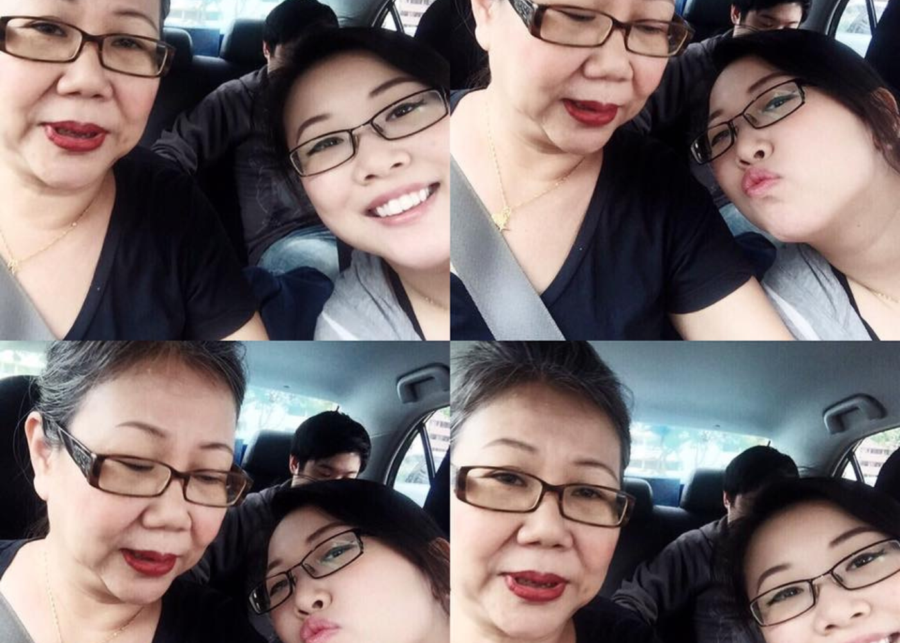
Because here is the thing about being prepared: it works. She spent her life bracing me for the worst, and I met it. When she passed, I was sad… of course I was. But I was not devastated in the way I imagine I could have been. The floor did not fall out. And I think part of that was her, and part of that was me: because even as a child, I had known. I had looked at her and understood, in the wordless way children sometimes do, that she would leave early. And so I developed my own small ritual, quietly and without telling anyone: every night, I would tell her I loved her. Not carelessly. Deliberately. So that if she ever went quickly… suddenly, without warning, I would already have said it. I would not be left searching for the last time I’d meant it.
It is, I know, a morbid thing for a child to do. But that morbidity gave me peace. It was my coping mechanism before I even had the language for what I was coping with. And when she did go, I had it — that peace. Every “I love you” I had banked, every night I had not taken for granted. It was enough. It held.
The thing about being prepared
So yes, she braced me for the worst, and I’ve ended up with something that looks, from the inside, a lot like the best. I think she’d be at peace knowing that. And in finding that, in believing that — I find my own peace too.
The ritual continues. Table for two. Oysters, steak, or sushi.
She would have loved it.
Denise Tan is a Singapore-based marketer who has spent 20+ years building brands people actually care about — across hospitality, spirits, and tourism. She is most at home at the intersection of community, storytelling, and strategy.