In honour of World Breastfeeding Week, we've dug up the curious facts about the sometimes-not-so-wonderful world of nursing…
Breastfeeding is natural, but we all know, it doesn’t mean it always comes naturally. From leaking when another baby cries to discovering that one breast produces more milk than the other, there’s plenty about breastfeeding that can surprise even experienced mums.
We are all too familiar with the sore nipples, constant worry about milk supply, pumping struggles and then, there’s that unsolicited advice from well-meaning friends and relatives. Sadly, women who breastfeed still don’t always receive the support they need. Some mums are shamed for nursing in public, while others face judgement for combining breastmilk and formula milk. Besides honouring all you mamas on World Breastfeeding Week, we’re separating facts from fiction and making things clear for new mums. Remember, however you feed your baby, what matters most is that you and your little one are healthy, supported and cared for.
Why trust this guide to breastfeeding facts?
The HoneyKids team is made of mums who breastfeed, mums who don’t, and mums who swears by the combination of breastmilk and formula. We feel you. Together with our lived experiences, we’ve also looked up health information against guidance from trusted organisations and healthcare providers, including the World Health Organization (WHO) and KK Women’s and Children’s Hospital (KKH).
But remember, this article provides general information and should not replace personalised medical advice. If you’re experiencing breastfeeding pain, difficulties with your baby’s latch, concerns about milk supply or worries about your baby’s feeding and weight gain, speak to your doctor, paediatrician or a qualified lactation consultant.
10 surprising facts about breastfeeding
1. Your first breast milk is called colostrum
Before mature breast milk comes in, your body produces a thick, concentrated milk called colostrum. It’s usually yellow or golden in colour and is made in small amounts that suit a newborn’s tiny tummy.
Colostrum is rich in nutrients, antibodies and other immune-supporting components that help protect your newborn. It’s sometimes described as a baby’s “first vaccine”, although it doesn’t replace routine childhood vaccinations.
Skin-to-skin contact and allowing your baby to suckle soon after birth can help stimulate milk production. If your baby cannot breastfeed directly for medical reasons, KKH advises mums to express regularly so that colostrum can still be given to the baby where possible.
More about breastfeeding after delivery at KKH
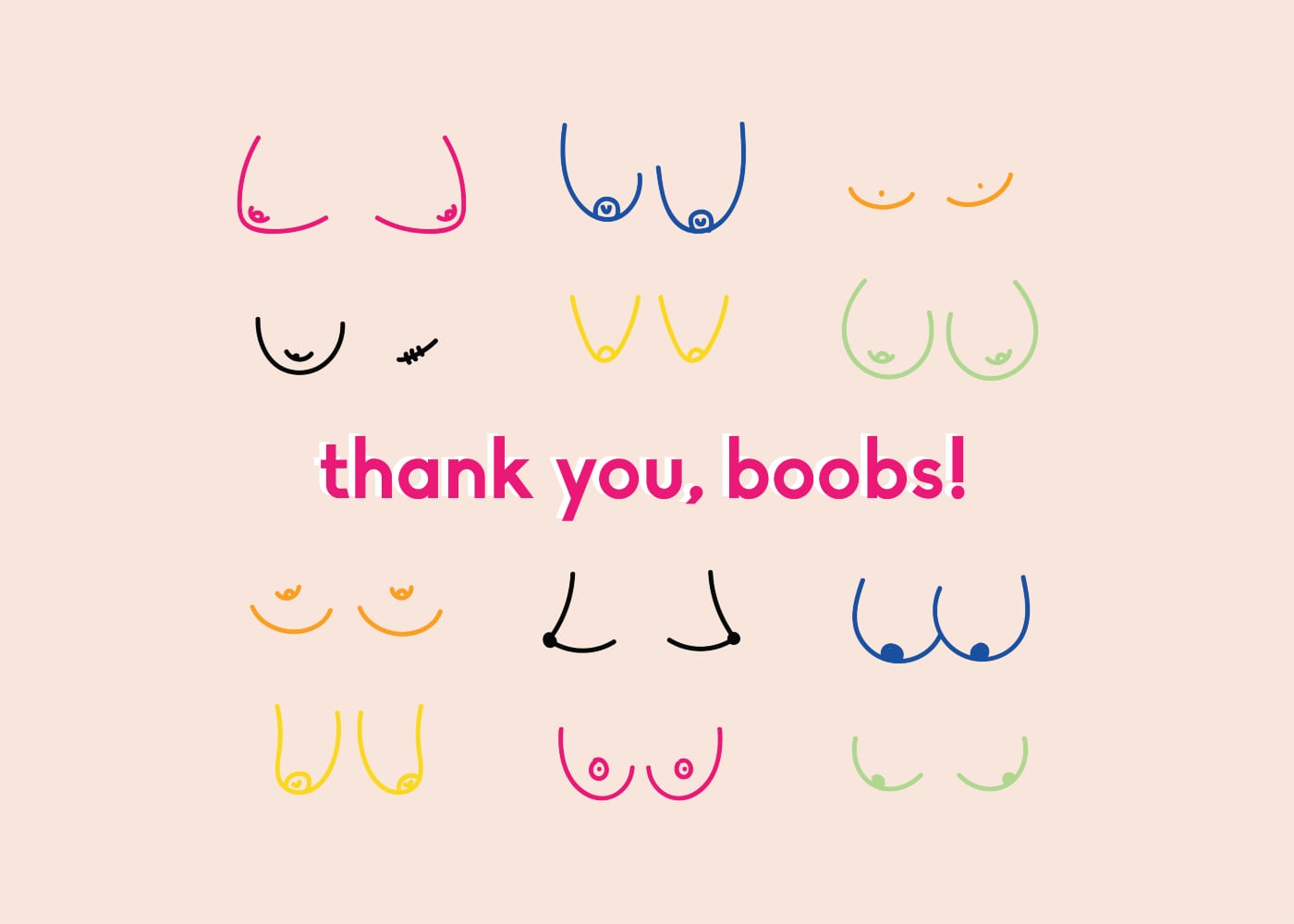
2. Breast milk flows through multiple nipple openings
If you’ve ever watched while using a breast pump, you may have noticed milk spraying in several tiny streams. That’s because breast milk travels through a network of milk ducts and exits through multiple openings in the nipple, rather than one single hole.
The number and position of these openings vary from person to person. This also explains those renegade streams of milk that somehow miss the pump, nursing cover and baby altogether!
A comfortable, effective latch helps your baby transfer milk from the breast. However, there isn’t one simple latch instruction that works for every mum and baby. If breastfeeding is persistently painful, your nipples are damaged or your baby is struggling to feed, seek help from a lactation consultant instead of trying to push through the pain.
3. It’s normal for one breast to produce more milk
Does one breast regularly produce more milk than the other? You’re not alone. Many breastfeeding mums have one breast that responds better to feeding or pumping, and the difference doesn’t necessarily mean that anything is wrong.
Uneven milk production may happen because your baby prefers feeding on one side, one breast is stimulated or emptied more frequently, or there are natural differences in breast anatomy. Previous breast surgery, a blocked duct or differences in how your baby latches may also affect supply.
If you’d like to encourage production on the lower-supply side, you can try offering it first or expressing from it more frequently. Speak to a lactation consultant if the difference appears suddenly, is accompanied by pain or swelling, or you’re worried that your baby isn’t getting enough milk.
HoneyKids mum Tracy can certainly relate: “My left breast was rubbish! I had endless issues with it during breastfeeding, while my right side produced far more milk.” As many mums discover, breasts are sisters, not twins.
4. Breast size doesn’t determine milk supply

Having smaller breasts doesn’t mean you’ll produce less milk, just as having larger breasts doesn’t guarantee a plentiful supply. Breast size is largely determined by fatty tissue rather than the amount of milk-producing tissue.
Milk production is influenced by several factors, including how frequently and effectively milk is removed, your baby’s latch, hormonal or health conditions, certain medications and previous breast surgery. Stress, illness and long gaps between feeds or pumping sessions may also temporarily affect supply.
Instead of judging your supply by breast size or how much you can express, look at the bigger picture. Your baby’s wet nappies, swallowing during feeds, alertness and steady weight gain can help indicate whether they’re getting enough milk. Speak to your paediatrician or a lactation consultant if you’re concerned about your baby’s feeding or growth.
5. You can exercise while breastfeeding
Breastfeeding uses additional energy, but it doesn’t mean you have to avoid exercise — or that breastfeeding will automatically result in weight loss. Once you’ve recovered from birth and received medical clearance, gradually returning to physical activity can support your physical and mental wellbeing.
Moderate exercise doesn’t usually affect breast milk supply, quality or your baby’s willingness to feed. Start gently, stay hydrated and wear a supportive bra. Some mums also find it more comfortable to breastfeed or express before exercising.
Your body needs enough energy to recover from childbirth and produce milk, so this isn’t the time for crash diets. Aim for regular, balanced meals and snacks, and follow your hunger and thirst cues. If you had a Caesarean birth, birth complications or experience pain, bleeding, dizziness or pelvic-floor symptoms while exercising, check with your doctor before continuing.
Read HealthHub’s postpartum nutrition advice
6. Breast milk contains immune-supporting components
Breast milk provides nutrients for your baby and contains antibodies, white blood cells and other components that support their developing immune system. According to the World Health Organization, breastfeeding can help protect babies against a range of common childhood illnesses.
Breast milk isn’t exactly the same from one feed to the next, either. Its composition changes as your baby grows, from colostrum in the early days to transitional and mature milk. It can also vary during a single feed and at different times of the day.
This doesn’t mean breast milk can prevent or cure every illness, and breastfeeding is not a replacement for vaccinations or medical care. If your baby is unwell, unusually sleepy, feeding poorly or producing fewer wet nappies, seek medical advice promptly.
Learn more about breastfeeding from WHO
7. Lactation can sometimes be induced without pregnancy
A parent doesn’t always have to give birth to breastfeed. Some adoptive mothers and non-gestational parents may be able to induce lactation, allowing them to nurse or provide expressed milk to their baby.
Induced lactation usually involves regular breast stimulation and pumping over time. Depending on the individual, a doctor may also discuss hormonal treatment or medication, but these are not suitable or necessary for everyone. The amount of milk produced varies, and some parents may breastfeed alongside donor milk or formula.
If you’re considering induced lactation, speak to a doctor and qualified lactation consultant well before your baby arrives, if possible. They can create a personalised plan, explain what to expect and ensure that any medication is medically appropriate.
Breastfeeding may also be possible in a two-mum family, including for the parent who did not carry the baby. For families formed through adoption, our adoption journey podcast also shares a local family’s experience.
8. Your breasts continually produce milk

Your breasts don’t become completely “empty” in the way a bottle does. Milk is continually being produced, including while your baby is feeding. However, milk flow may slow as the breast becomes softer and less full.
Breast milk production generally works on supply and demand: frequent and effective milk removal signals your body to keep producing milk. This is why feeding your baby responsively or expressing regularly can help establish and maintain your supply.
It’s also normal for the amount you express to vary throughout the day. The quantity collected by a breast pump doesn’t necessarily show how much milk you produce or how much your baby can transfer while nursing. If your supply suddenly drops or you’re concerned about your baby’s intake, speak to a lactation consultant or paediatrician.
9. Hearing a baby cry can trigger your let-down reflex

When your baby suckles, your body releases the hormone oxytocin. This causes the muscles around the milk-producing glands to contract and move milk towards the nipple — a process known as the let-down or milk-ejection reflex.
Your baby’s cry, looking at a photo of your baby or even thinking about feeding can sometimes trigger let-down. You might notice tingling in your breasts, leaking milk or a sudden feeling of fullness, although some mums don’t feel anything at all.
Stress, pain and exhaustion can sometimes make let-down slower, but this doesn’t necessarily mean your milk supply is low. Finding a comfortable position, taking slow breaths and using a warm compress may help. Speak to a lactation consultant if you regularly struggle with milk flow or feeding is painful.
10. There is no one ‘right’ way to feed your baby
For some mums, exclusive breastfeeding works well. Others express milk, combination feed or use formula. Breastfeeding may not be possible or may not be the best choice because of medical conditions, medication, low supply, pain, mental health, a baby’s feeding needs or a family’s circumstances.
How you feed your baby is not a measure of how good a parent you are. What matters is that your baby receives appropriate nutrition, grows steadily and that both of you are physically and emotionally supported.
Speak to your paediatrician if your baby is difficult to wake for feeds, feeds much less than usual, has fewer wet nappies or isn’t gaining weight as expected. If you use infant formula, follow the preparation and storage instructions carefully and ask a healthcare professional if you need guidance. However your feeding journey unfolds, you deserve practical help without judgement.
Where to get breastfeeding support in Singapore
You don’t have to wait until breastfeeding becomes overwhelming to ask for help. A qualified lactation consultant can assess your baby’s latch and milk transfer, help with expressing and milk supply, and advise on concerns such as engorgement, blocked ducts and sore nipples.
Here are some places where parents can find breastfeeding support in Singapore:
Breastfeeding Mothers’ Support Group Singapore
Breastfeeding Mothers’ Support Group Singapore is a volunteer-led organisation that provides mother-to-mother support, counselling and breastfeeding information. Its services include a breastfeeding helpline, workshops and support sessions for expectant and nursing mums.
Contact Breastfeeding Mothers’ Support Group Singapore
KKH Lactation Services
KK Women’s and Children’s Hospital provides lactation support for concerns such as positioning, latching, expressing breast milk and managing feeding difficulties. Parents can check with KKH for current appointment and referral requirements.
Find breastfeeding support at KKH
SGH Lactation Clinic
Singapore General Hospital’s Lactation Clinic supports mums experiencing breastfeeding challenges, including concerns about milk supply, blocked ducts, mastitis, pumping and returning to work.
Visit the SGH Lactation Clinic
Association for Breastfeeding Advocacy Singapore
The Association for Breastfeeding Advocacy Singapore promotes breastfeeding education and support for families. Parents can visit its website for breastfeeding information, programmes and available support services.
Visit the Association for Breastfeeding Advocacy Singapore
You can also contact the hospital where you gave birth, your obstetrician, family doctor or paediatrician. Seek prompt medical advice if you develop a painful, hot or swollen breast, fever or flu-like symptoms, as these may be signs of mastitis or another condition requiring treatment.
However you feed your baby, you deserve support
Breastfeeding can be rewarding, difficult or a mixture of both. Every mum and baby has a different experience, and feeding plans sometimes need to change along the way. Whether you breastfeed directly, express milk, combination feed or use formula, there’s no room for judgement — only practical help and plenty of support.
If feeding is painful, you’re worried about your milk supply or your baby isn’t feeding or gaining weight well, contact a healthcare professional. Trust your instincts and ask for help early; you don’t have to struggle through it alone.
This article is intended for general information only and does not replace medical advice, diagnosis or treatment. Always consult your doctor, paediatrician or qualified lactation consultant if you have concerns about your health or your baby’s feeding.
And psst – here’s what the HoneyKids mums have to say about breastfeeding!