
From rising concerns about screen time to new global policies protecting young users, here’s how quitting social media helped me rethink digital wellbeing and reconnect with Bangkok’s growing offline culture.
I’m a millennial whose entire career has revolved around the online world – journalism, digital content, and now Managing Editor for HoneyKids Asia Thailand. My job requires me to stay on top of trends and understand what families are talking about. And yet, in 2024, I did the total opposite: I quit personal social media completely.
I have no Instagram. I have no Facebook.
It didn’t even feel strange to me, it just felt right. And with that came small but meaningful gains. I read more. I sleep better. I remember what it feels like to enjoy a moment without thinking about how to share it.
Why It Matters for Kids and Families
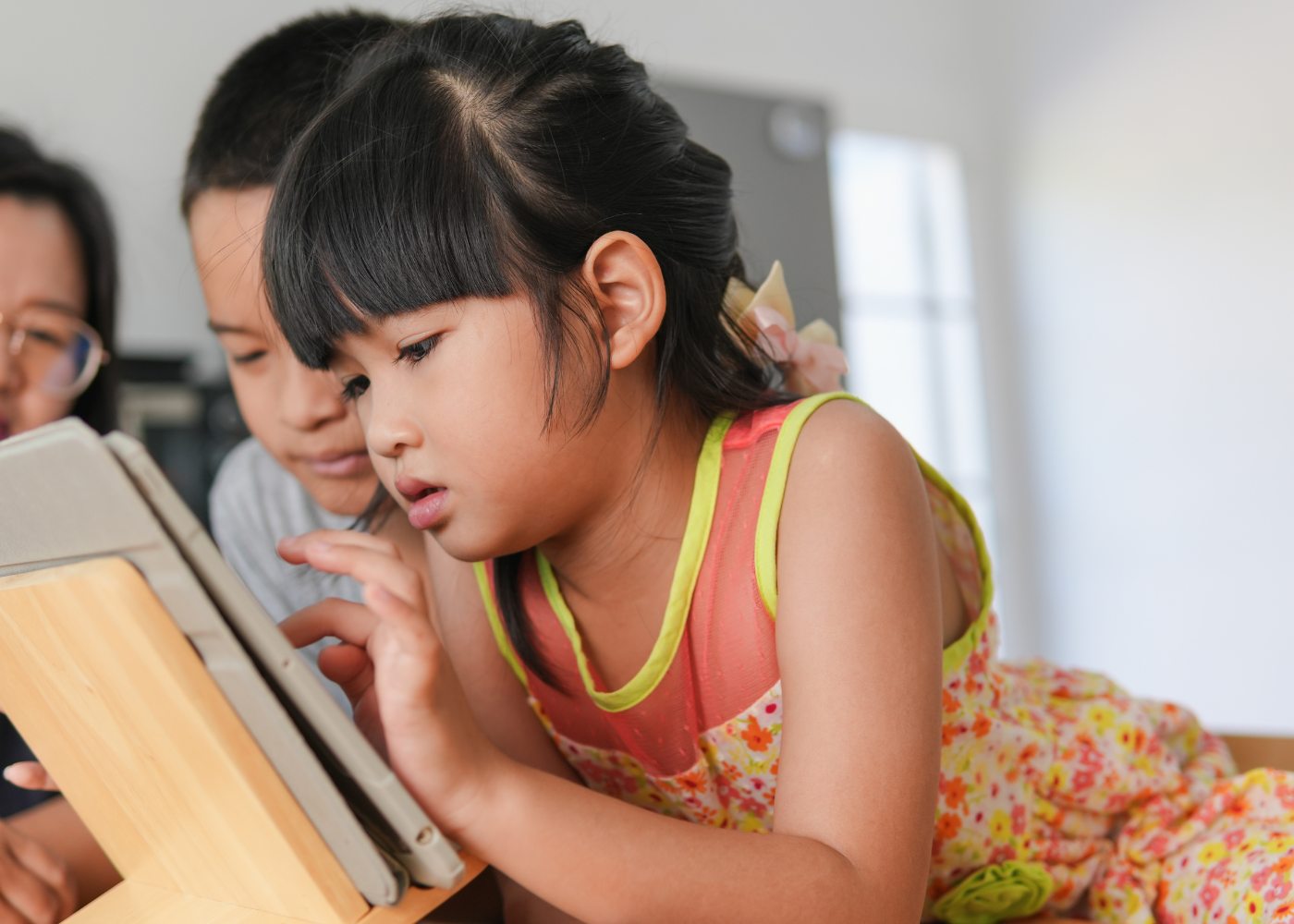
Quitting social media wasn’t about disconnecting from others. It has changed how I connect with people. Conversations feel deeper. Friendships feel more grounded. I’m present in ways I didn’t realise I had been missing. I can observe the online world with more clarity and less noise.
I got to reconnect with myself, my attention, my time, and my emotional bandwidth. And in a world where everyone, especially kids, are all navigating digital overwhelm, it feels more important than ever to model a different kind of relationship with the online world.
Our digital lives aren’t separate from family life. For children growing up today, online access, smartphones, and social media are often part of daily reality. From classroom group chats and homework coordination to social connections and leisure. But increasing research and policymaking around the world suggest we may be underestimating the downside.
For example, in neighbouring Singapore, the government just announced that from 2026 secondary-school students will be banned from using smartphones or smartwatches during all school hours, including recess, extracurriculars, and enrichment classes. Devices must now stay locked away in lockers or bags throughout the school day. The stated aim: reduce distractions, encourage social interaction, and foster healthier screen-use habits.
As of December 2025, Australia has become the first country in the world to enforce a law banning social media accounts for users under 16 on major platforms. Social media companies are required to take “reasonable steps” to prevent under-16s from using or creating accounts; failure can result in significant fines.
These aren’t isolated moves. They reflect growing global concern over how early and unregulated exposure to social media, algorithms, online pressure, and screen time are shaping children’s well-being. Mental health risks, distraction from learning, sleep disruption, social comparison, cyberbullying, and digital burnout – these are real issues.
Prioritising Mental Wellbeing

As for me, I have never really been a fan of constantly being online to begin with. The pressure to stay “on,” always connected, always aware – it had become too exhausting. I was digitally burnt out, so it wasn’t hard for me to quit.
Now, in my new role, I see the opportunity, and responsibility, to help families navigate the digital world thoughtfully – and to simply live more. We plan to write about kids’ activities, parenting hacks, family travel and fun. We want to encourage children to discover the joy of spending time offline or to have hobbies away from screens, before they’re old enough to manage online pressures.
Let me just put it out there first that I’m not here to hate on social media. I still find social media super useful for a lot of things. I didn’t leave social media because I hated it. I left because I wanted to live. I wanted to reclaim the quietness in my head, and my mental space.
I’m not against social media, but I’m against a life dictated by it. I’m not advocating for complete disconnection for every family. I’m advocating for balance, and for intentional living. So, this is not a call to ban or to quit social media entirely, but to take a look at our approach and see how we can live in this digital world without it affecting us too much.
Digital wellness is more than a buzzword – it’s a necessity.
Growing Offline Life in Bangkok
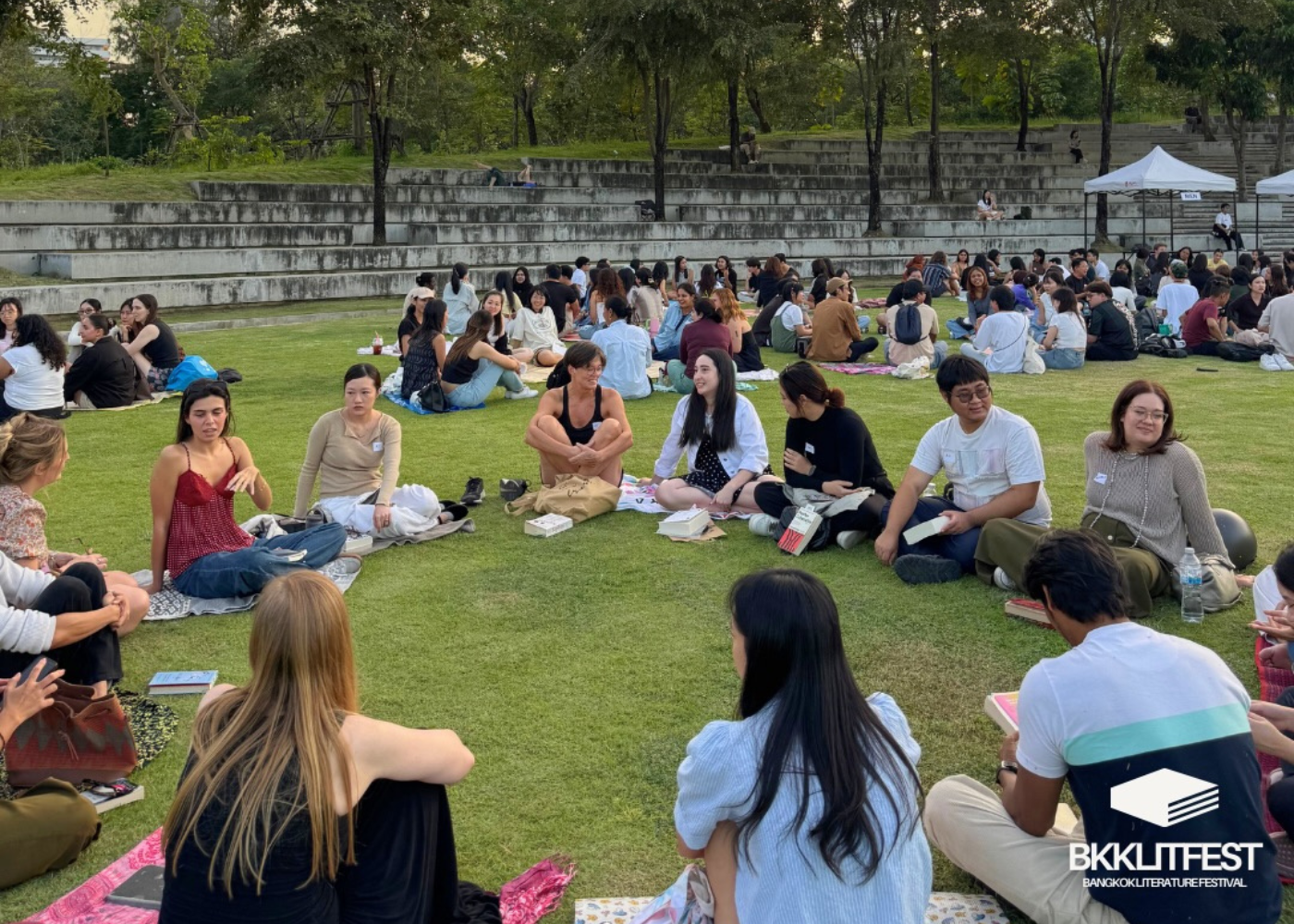
Even as the world becomes increasingly digital, I see signs that Bangkok is turning a corner. More and more families, adults and kids alike are seeking real-life connection, community and movement beyond screens.
Groups like Sabai Run Club have exploded in popularity. Once a small jogging group, they’ve become the city’s largest social-run community offering regular Sunday runs around Benjakitti Park that welcomes runners of every level.
Beyond running, a quick browse on meetup.com in Bangkok shows a rising appetite for calm, offline gatherings across the city. The Bangkok Offline Reading Club now attracts close to 100 attendees per meetup, and similar interest is growing in language-exchange circles, hobby groups like knitting, sketching, or crochet, and community-driven activities such as volunteering at a community garden.
These groups give families and individuals a chance to disconnect from the digital noise, connect with others in person, and rediscover simple joys in life before smartphones again.
For parents especially, this trend offers something meaningful: an alternative to screen time for children. Instead of swiping through feeds, kids, and their families, can explore parks, discover hobbies, join gentle social sports, and build friendships grounded in shared experiences, not algorithms.
In a way, the growth of offline communities in Bangkok aligns with one of my core beliefs: that connection, presence and real-life joy often thrive outside the feed. As we launch HoneyKids Asia Thailand, I want us to celebrate, and support, those choices. Because parenting, family life, and growing up deserve to be lived, not just posted.