International schools in Thailand can feel confusing at first. Here’s what they are, how they differ from Thai private schools, and whether they’re the right fit for your family.
If you’ve recently moved to Bangkok, or you’re a local parent exploring different education options, chances are you’ve come across the term “international school” many times already.
What is an international school?
At first glance, they can all sound quite similar: English-speaking teachers, global curriculums, big campuses and eye-wateringly expensive tuition fees. But once you start digging deeper, you’ll realise international schools in Thailand vary hugely in teaching style, curriculum, size, atmosphere and even philosophy.
Some are highly academic and exam-focused. Others lean more into creativity, inquiry-based learning or holistic development. Some feel like giant university campuses. Others feel more like close-knit communities.
So before you start comparing school fees and booking campus tours, here’s a simple breakdown of what international schools in Thailand actually are and what families should know before choosing one.
What is an international school?
An international school is a school that teaches students using a foreign or internationally recognised curriculum, usually in English.
Unlike Thai private schools or most bilingual schools, international schools are designed to serve both expats and local families who want an internationally focused education system.
In Thailand, international schools commonly follow curriculums such as:
- British curriculum (IGCSE, A-Levels)
- American curriculum (AP system)
- International Baccalaureate (IB)
- Singaporean curriculum
- Australian curriculum
- French, German or other national systems
Most international schools also teach primarily in English, though many include additional languages such as Thai, Mandarin, French, Spanish or German.
How are international schools different from Thai schools?
The biggest difference is usually the teaching approach.
Traditional Thai schools often place stronger emphasis on memorisation, exams and structured classroom discipline. International schools, depending on the curriculum, tend to focus more on critical thinking, discussion, creativity and independent learning.
Class sizes are also usually smaller in international schools, with more extracurricular activities, sports, arts and student support services built into campus life.
Another major difference is diversity. Many international schools in Bangkok have students from dozens of nationalities, creating a much more multicultural environment.
That said, international schools are also significantly more expensive than Thai schools. Tuition fees in Bangkok can range from around B200,000 per year to well over B1 million annually at top-tier schools.
What curriculums do international schools in Bangkok offer?
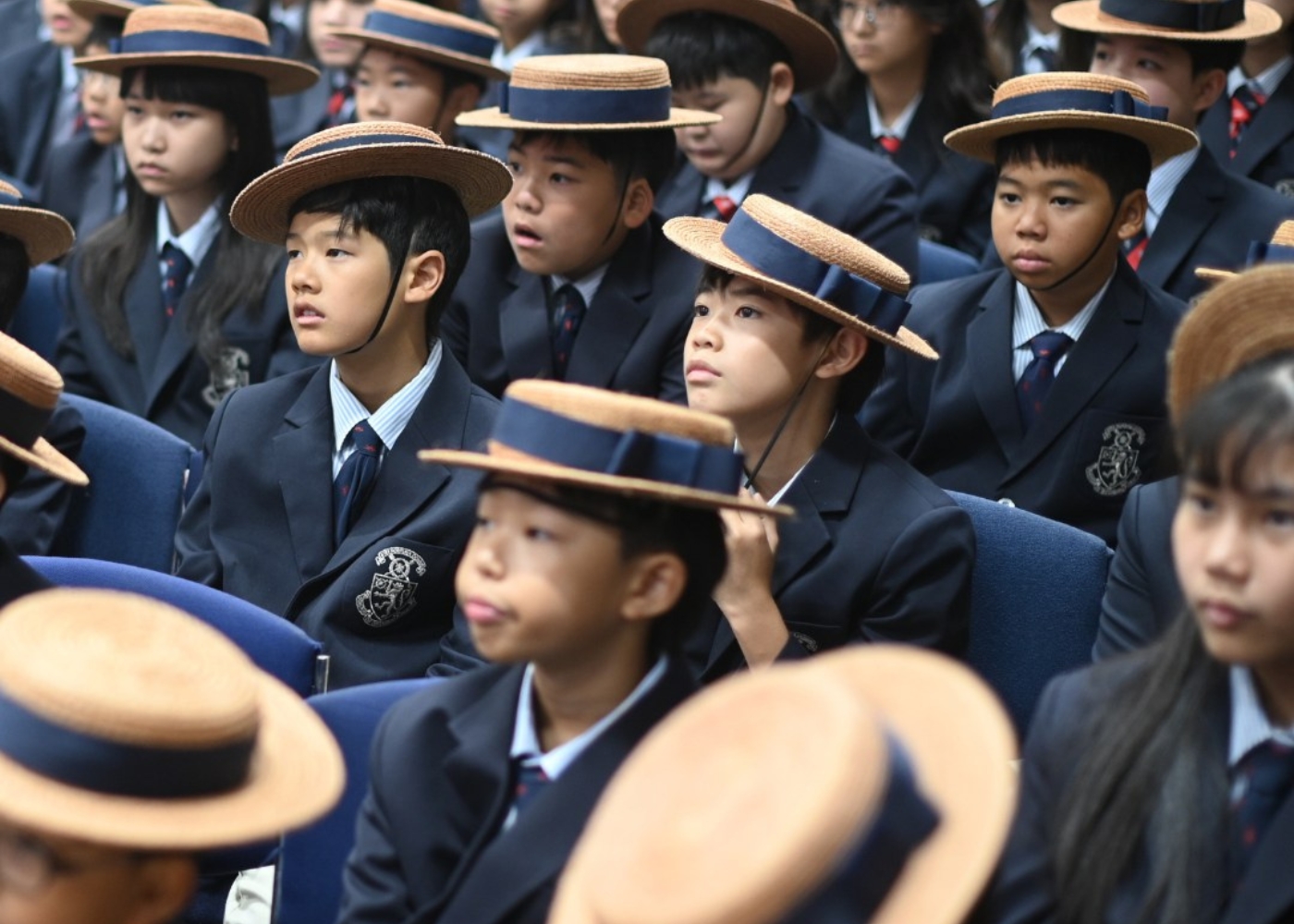
This is where things can get overwhelming for parents because every curriculum works a little differently.
British curriculum
One of the most common systems in Bangkok. Students usually study IGCSEs followed by A-Levels.
Known for:
- Structured academics
- Subject specialisation in later years
- Strong university preparation
Popular British schools in Bangkok include:
American curriculum
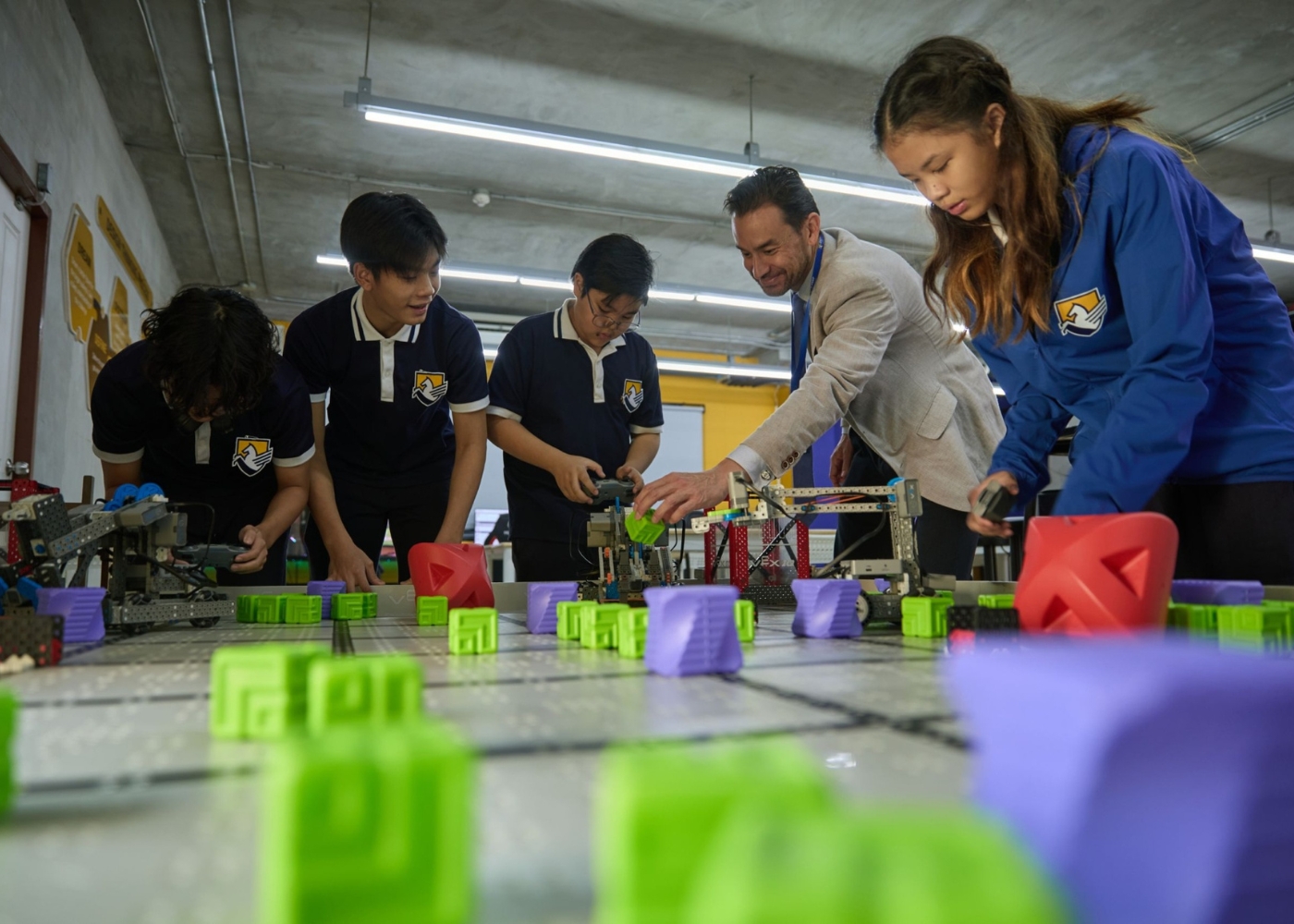
More flexible than the British system, often using GPA-style assessment alongside AP courses in high school.
Known for:
- Broad subject choices
- Flexible pathways
- Continuous assessment
Popular American schools include:
- The American School of Bangkok
- Berkeley International School
- D-PREP International School
- International School Bangkok
IB (International Baccalaureate)
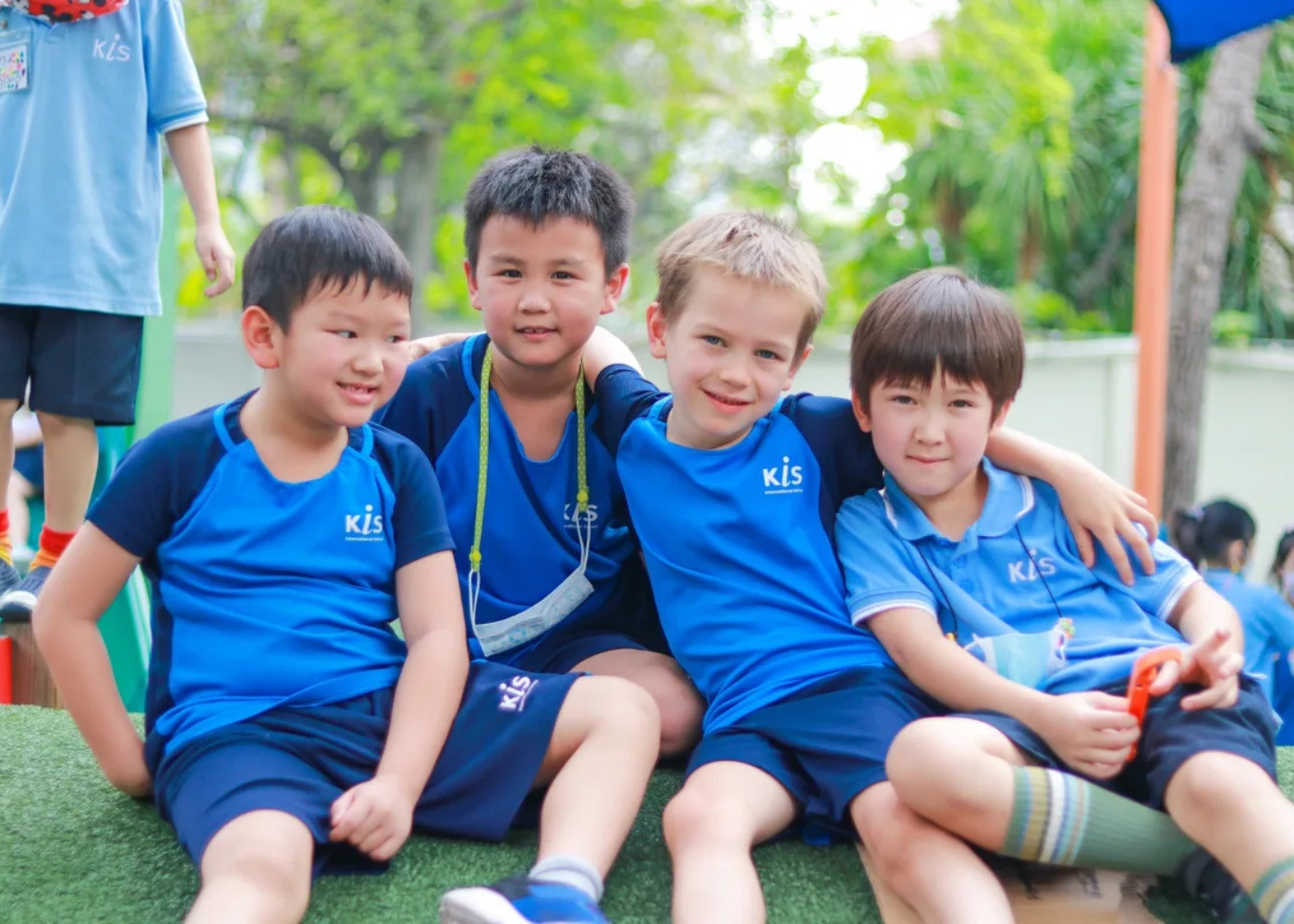
The IB system is known for inquiry-based learning and global-minded education.
Known for:
- Critical thinking
- Research skills
- Holistic development
- Heavy coursework and independent learning
Popular IB schools include:
Less common, but increasingly popular among Asian families prioritising maths and science rigour.
Known for:
- Strong academic foundations
- Structured learning
- High standards in maths and science
HoneyKids Thailand International School Fair debuts in Bangkok this September
Good news for families in Thailand! Finding the perfect school for your kids just got easier, thanks to the HoneyKids Thailand International School Fair, happening on 12 September 2026.
After 9 years of success in Singapore, our HoneyKids Asia International School Fair will finally debut in Bangkok this year on 12 September 2026, 10am-4pm.
This is the first time that the longest-running international school fair in Singapore will come to Thailand and we’ll be taking place at Avani Ratchada Bangkok Hotel, just a stone-throw away from MRT Rama 9.
This is your chance to speak to some of the best international schools in Bangkok and Thailand, with informative panel discussions by educators for parents and fun activities to entertain the kiddos (more juicy deets on this to come soon). Consider your weekend plans sorted!
If you’re a school or family and lifestyle brand keen on joining our upcoming International School Fair, we welcome you to drop us a note at thailand@honeykidsasia.com for more info on how you can join us.
Register:
"*" indicates required fields

Sweeten up your inbox! Subscribe to HoneyKids Asia Thailand
Are international schools only for expats?
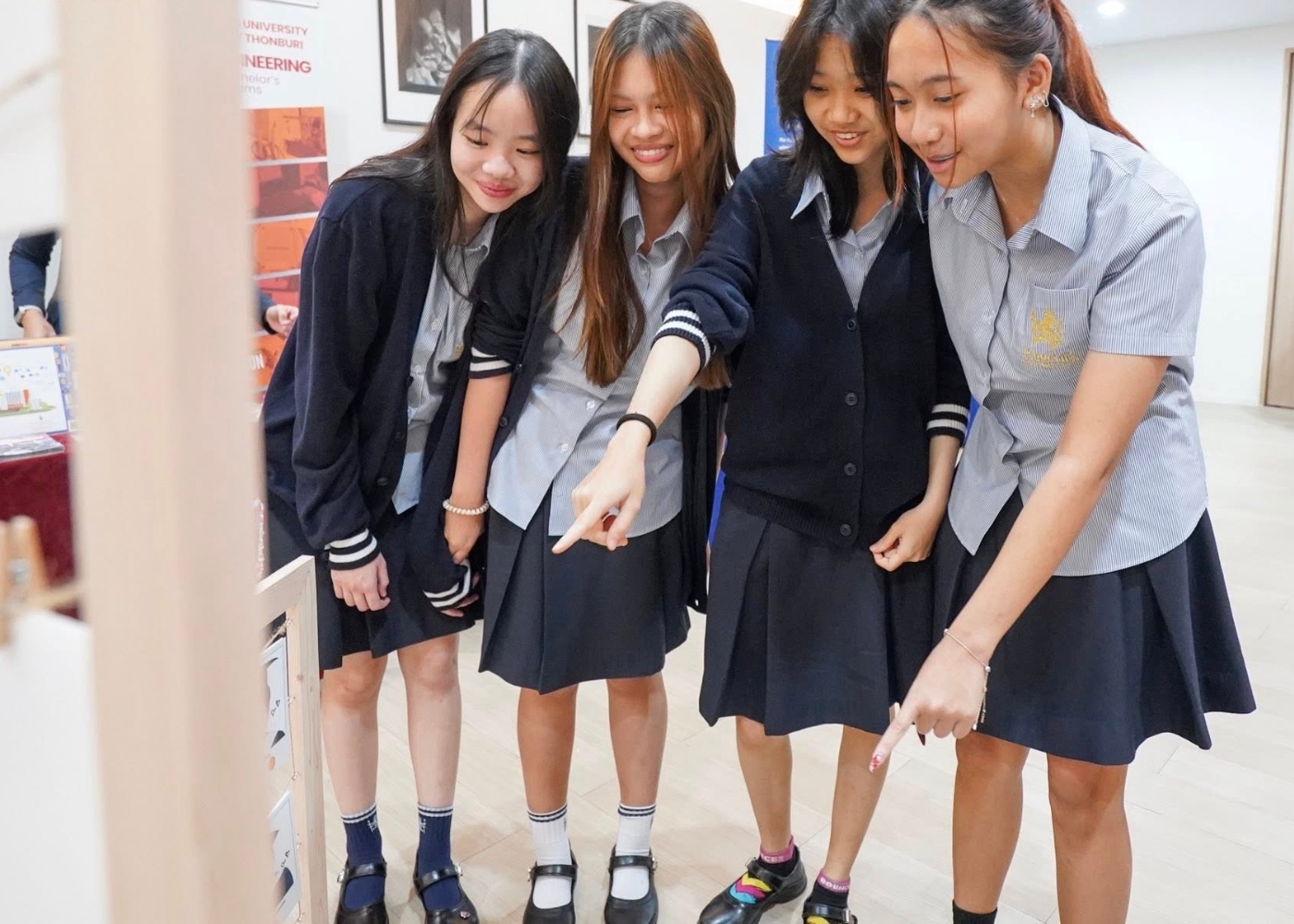
Not anymore.
Years ago, international schools in Thailand were mostly attended by expatriate children. Today, many schools have a large number of Thai students as well.
In fact, some Bangkok international schools now have majority Thai student populations, especially at the more academically competitive schools.
Many Thai parents choose international schools because:
- They want stronger English fluency
- They plan for overseas university pathways
- They prefer smaller class sizes
- They want different teaching approaches
Are international schools in Thailand worth the money?
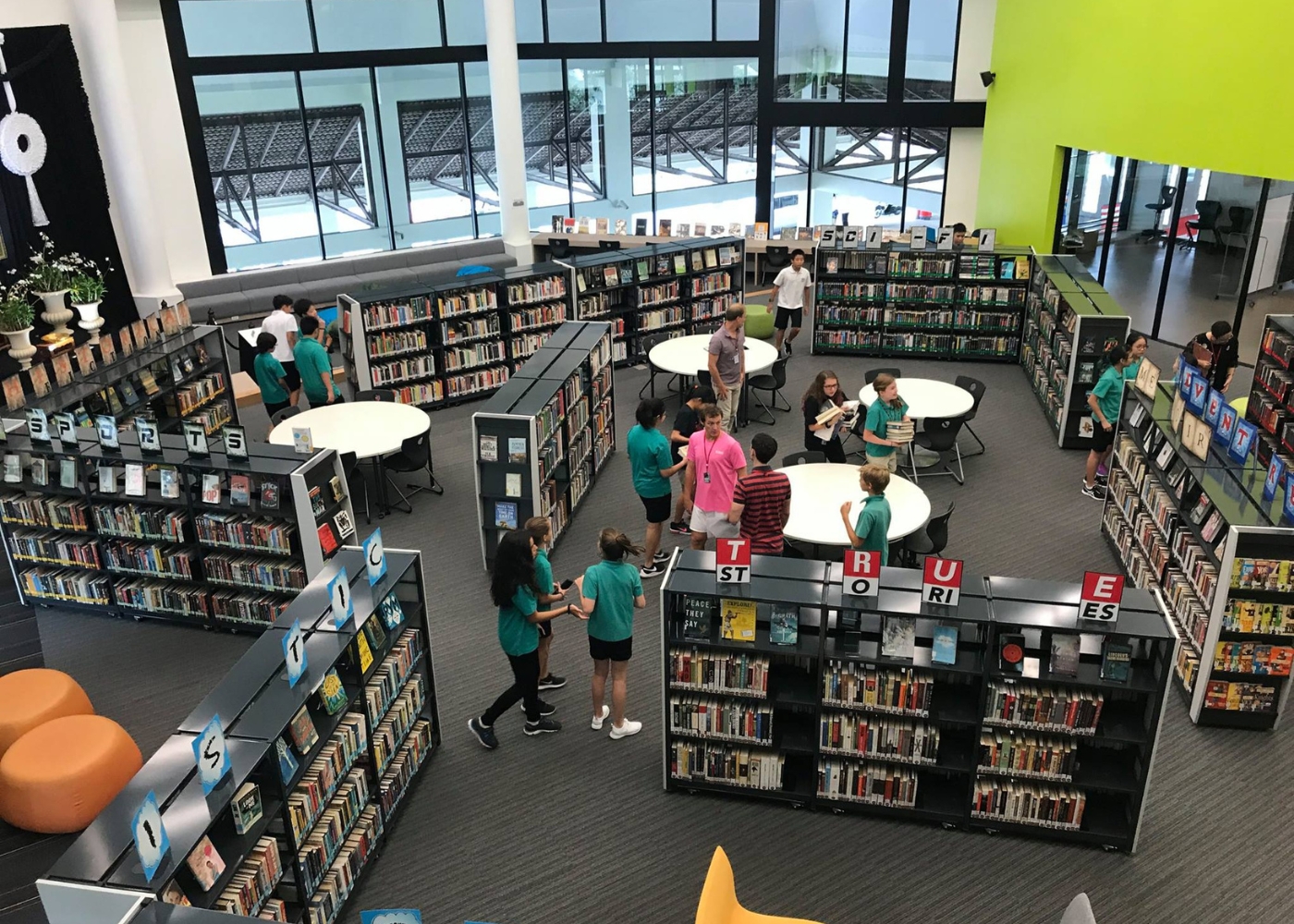
This really depends on your child, your family priorities and your budget.
Some families value:
- English fluency
- International university preparation
- Sports and arts opportunities
- More personalised learning
- Global exposure
Others may prefer:
- Stronger Thai language immersion
- Traditional academic structure
- Lower tuition fees
- Closer connection to local culture
The reality is there’s no single “best” international school in Bangkok. The right school often comes down to fit: your child’s personality, learning style, family lifestyle and long-term plans.
A giant top-tier school may be perfect for one child and overwhelming for another.
What should parents look for when choosing an international school?
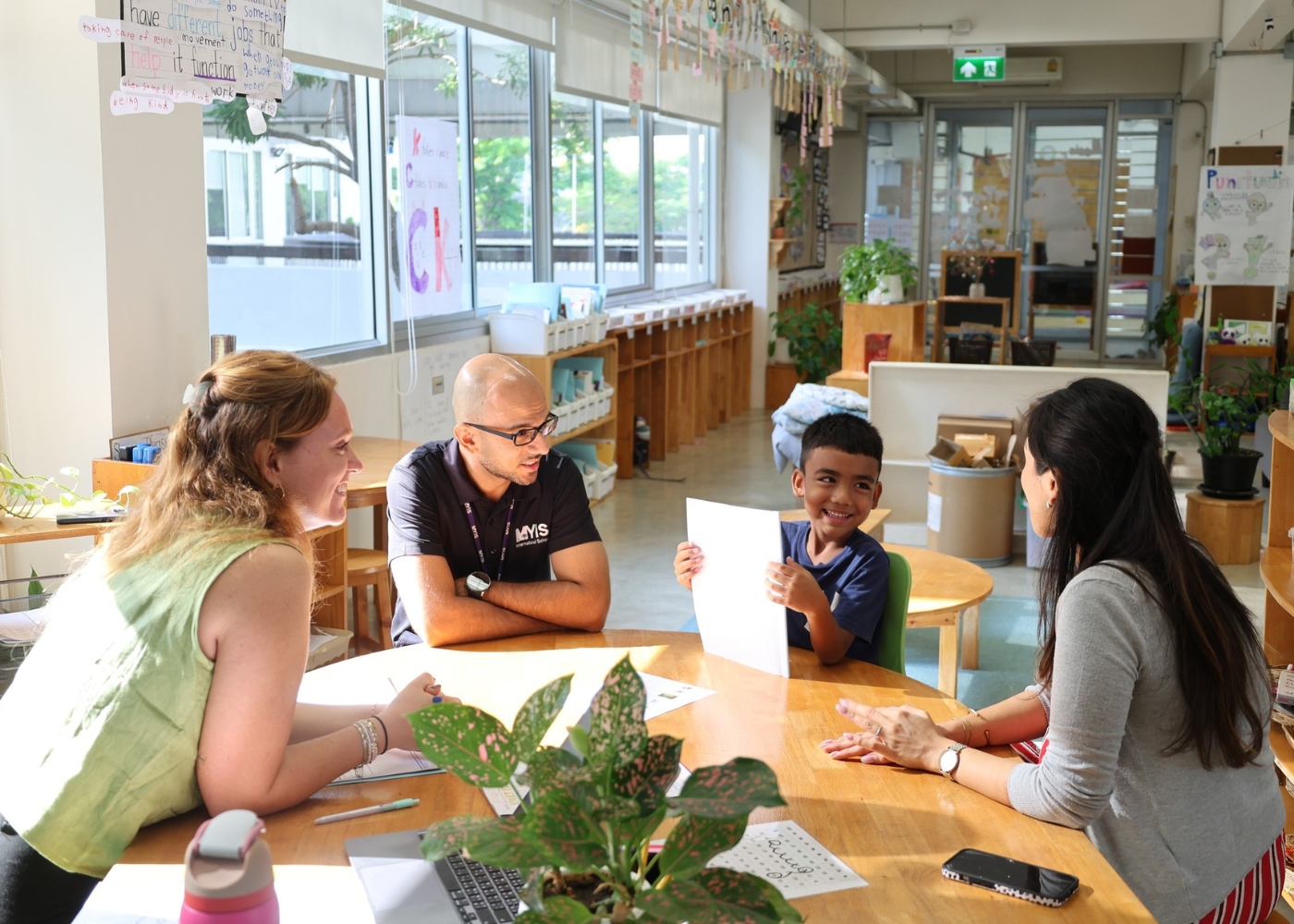
Beyond rankings and flashy campuses, parents should pay attention to:
- Teacher quality and turnover
- Student wellbeing support
- School culture and atmosphere
- Commute time (Bangkok traffic matters!)
- Learning support services
- Extracurricular opportunities
- Class sizes
- University pathways
- Communication with parents
What’s more important is campus visits matter a lot as sometimes a school looks perfect online but feels completely different in person.
Final thoughts
International schools in Thailand are no longer just for expat families. They’ve become a major part of Bangkok’s education landscape, offering everything from highly academic British systems to more creative, inquiry-led learning environments.
The challenge is not finding an international school. It’s figuring out which one actually fits your child and your family.
And in Bangkok, where there are now well over 100 international schools and international programmes, that choice can feel overwhelming.
But once you understand the different curriculums, teaching styles and school cultures, the process becomes much easier to navigate.