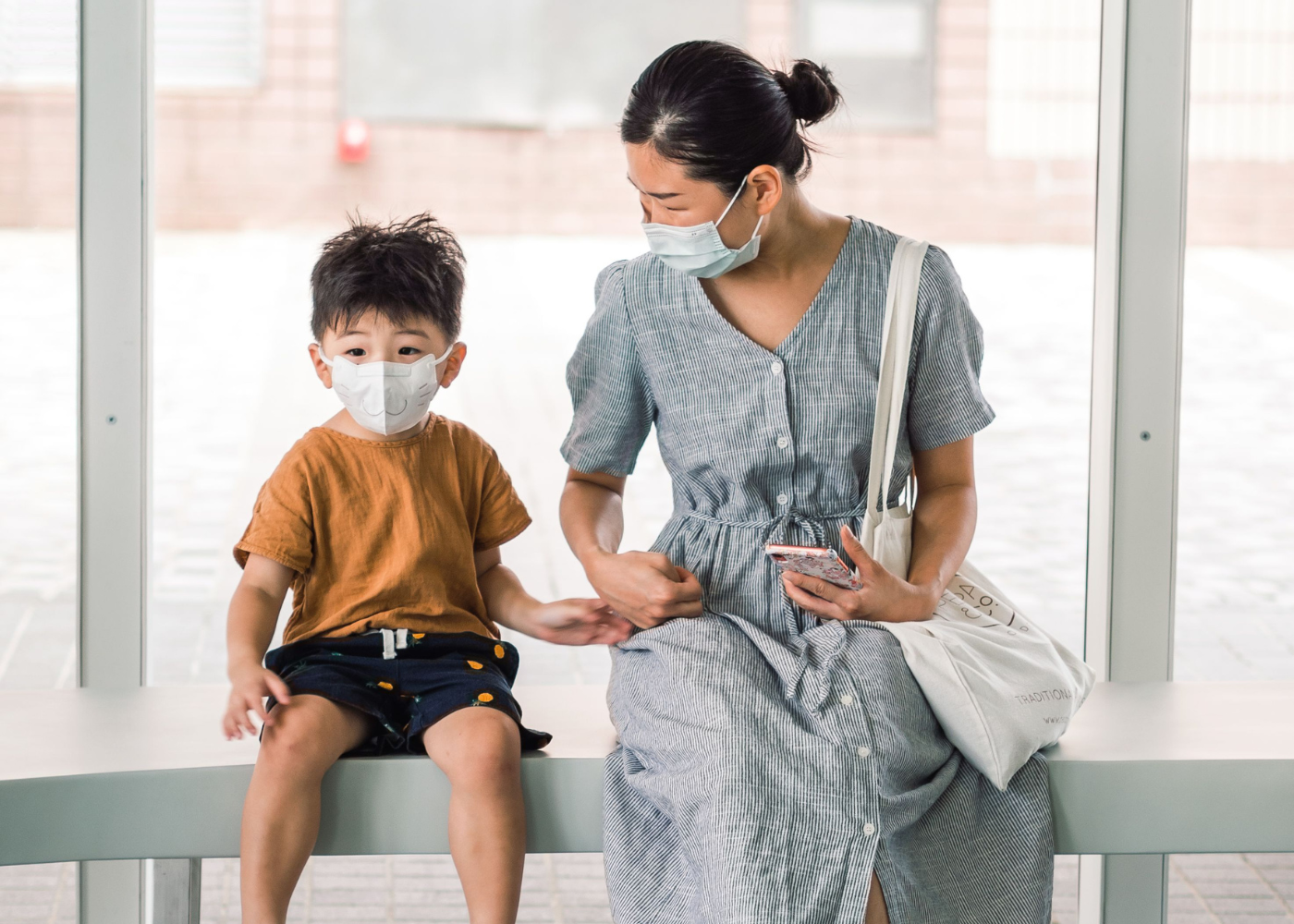
The smoky air isn't just irritating your throat. Fine particles can get deep into your lungs, enter your circulation and trigger inflammation throughout your body. For children, pregnant women and post-menopausal women, here's why the haze deserves more attention (and what you can actually do about it).
If you’ve looked out of the window lately and thought, ‘Is that haze getting worse?’, you’re not imagining it. The annual haze conversation usually goes something like this: Check the PSI, complain about the smell, dig out the masks and air purifier, cancel football practice and tell the kids they can’t go to the playground. But there’s a bigger story hiding behind that PSI number on the NEA website. Because what you’re breathing in isn’t simply smoke. It’s PM2.5.
Where the danger lies: What is PM2.5, and what are the risks?
This is fine particulate matter measuring 2.5 micrometres or smaller, which are particles so tiny that they can travel deep into the lungs and, under some conditions, enter your blood circulation. Once the effects move beyond your lungs, the story becomes much more concerning than just a scratchy throat or watery eyes. PM2.5 exposure is associated with systemic inflammation, oxidative stress, blood-pressure changes and cardiovascular disease, including increased risks of heart attack and stroke. And that matters particularly for high-risk people such as the elderly, our kids, and pregnant women (who can pass these particles to their unborn baby).
Inhalation of PM2.5 can trigger oxidative stress and inflammation in the respiratory system, setting off inflammatory responses that can extend beyond the bloodstream. Researchers have linked these processes to changes in blood vessels, blood pressure, clotting and cardiovascular function.
That’s why the effects of a bad haze episode aren’t necessarily limited to coughing, sore throats and irritated eyes. It’s what you can’t see that could cause long-term damage to your health.
What does this mean if you’re pregnant?
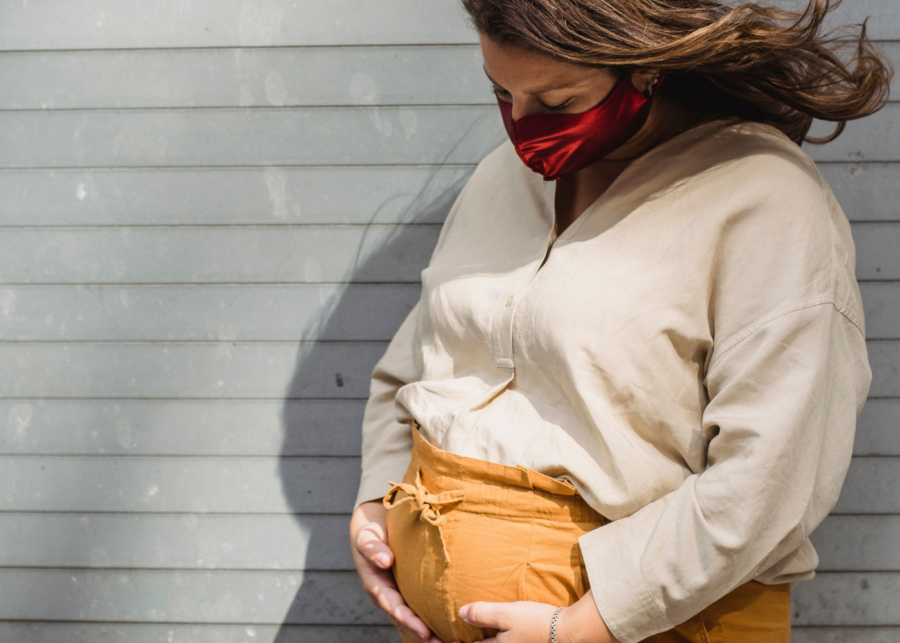
This is where the evidence becomes particularly sobering. A major review published in JAMA Network Open examined 68 studies and more than 32.7 million births. Of the 29 studies examining low birth weight in relation to PM2.5 or ozone exposure, 25 found a significant association. The review also found associations with preterm birth.
That doesn’t mean that breathing haze during one bad week means your baby will be born prematurely or with a low birth weight. These are population-level studies, and exposure varies enormously in duration and intensity. But it does tell us something important: pregnancy is a time when reducing unnecessary exposure to air pollution is sensible.
The NEA in Singapore’s health authorities specifically list pregnant women and children among the groups more vulnerable to the effects of haze. So if you’re pregnant and the air outside looks like someone has applied a grey Instagram filter to the entire neighbourhood, this is probably not the day to power through an outdoor bootcamp.
What about your heart?
Here’s the part of the haze conversation we don’t hear nearly enough about. PM2.5 exposure has been associated with increased blood pressure, cardiovascular disease, stroke and other cardiovascular events. The mechanisms appear to include oxidative stress, systemic inflammation, endothelial dysfunction and changes to the autonomic nervous system.
Why might menopause matter? The effects of PM2.5 exposure are increased for menopausal women.
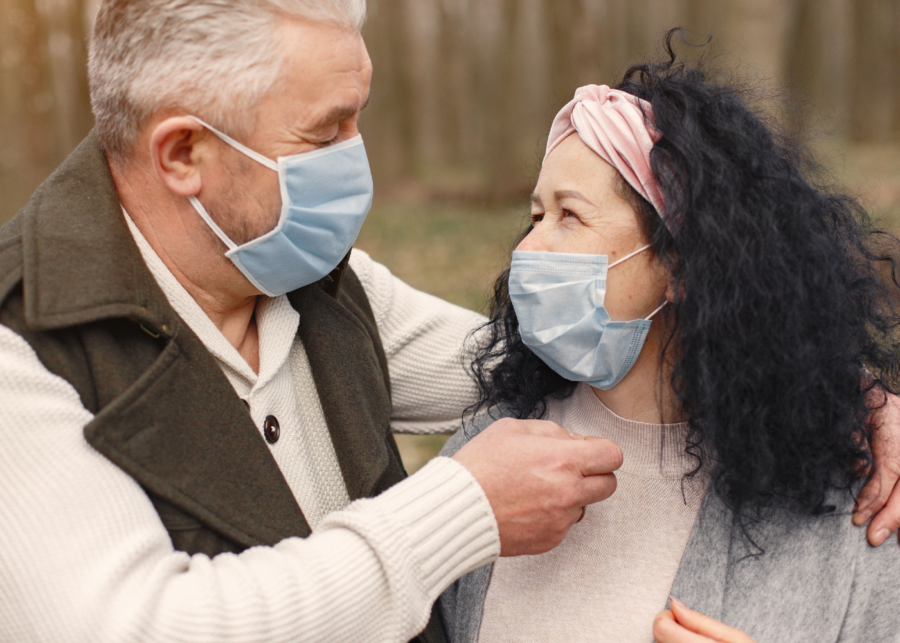
There is some particularly interesting evidence when it comes to post-menopausal women. One landmark study followed 65,893 post-menopausal women and found that each 10 μg/m³ increase in long-term PM2.5 exposure was associated with a 24% increase in the risk of a cardiovascular event and a 76% increase in cardiovascular mortality. Cerebrovascular events, including stroke, were also associated with higher PM2.5 exposure.
Oestrogen has cardiovascular effects, and the menopausal transition involves a substantial decline in oestradiol. Researchers are now investigating how air pollution and changing hormone levels interact. One recent study found associations between PM2.5 exposure and changes in oestradiol during the menopausal transition. So while we shouldn’t say that every post-menopausal woman is uniquely vulnerable to every haze episode, there is a good reason for women in midlife and beyond to take cardiovascular exposure to air pollution seriously.
Haze can affect your mental health and mood too – in more ways than one.
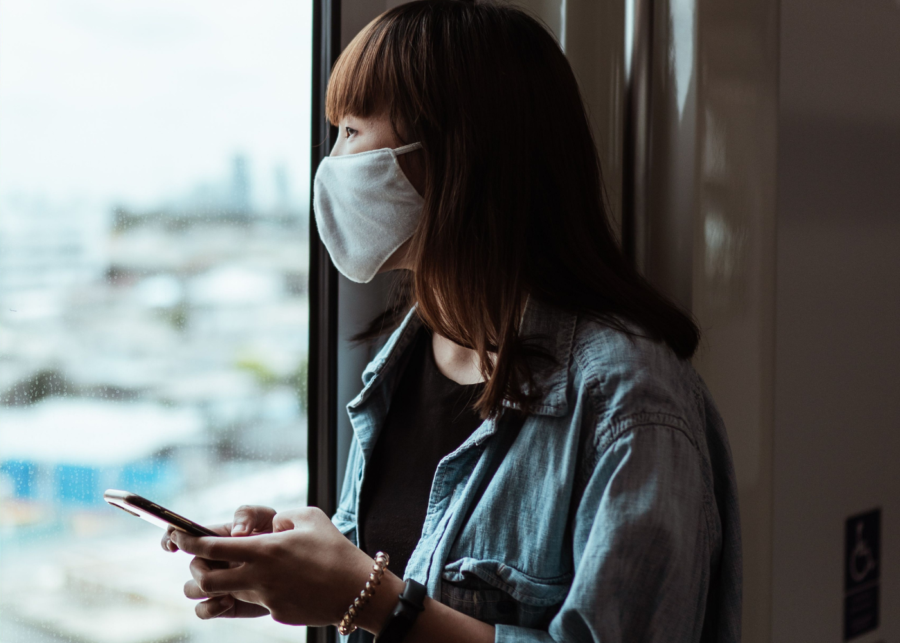
Here’s something else that may sound surprisingly familiar during haze season: feeling a bit rubbish when you’re stuck inside all day. Some of that is obvious. If the air quality is poor, outdoor exercise and the spontaneous movement that comes with everyday life like walking to school, taking the dog out and running around the playground can disappear. But researchers are also finding associations between air pollution and mental health.
A 2026 systematic review and meta-analysis covering 81 studies found associations between both short- and long-term air-pollution exposure and increased risks of anxiety and depression. PM2.5 showed one of the most consistent associations with anxiety. The researchers also stress that the evidence has limitations, including heterogeneity and risk of bias. So if you’re feeling more anxious during a prolonged haze episode, it isn’t necessarily just cabin fever. The air itself may be part of the picture, while being cooped up indoors and losing access to exercise and normal routines can add another layer.
What about the kids? How to protect your children
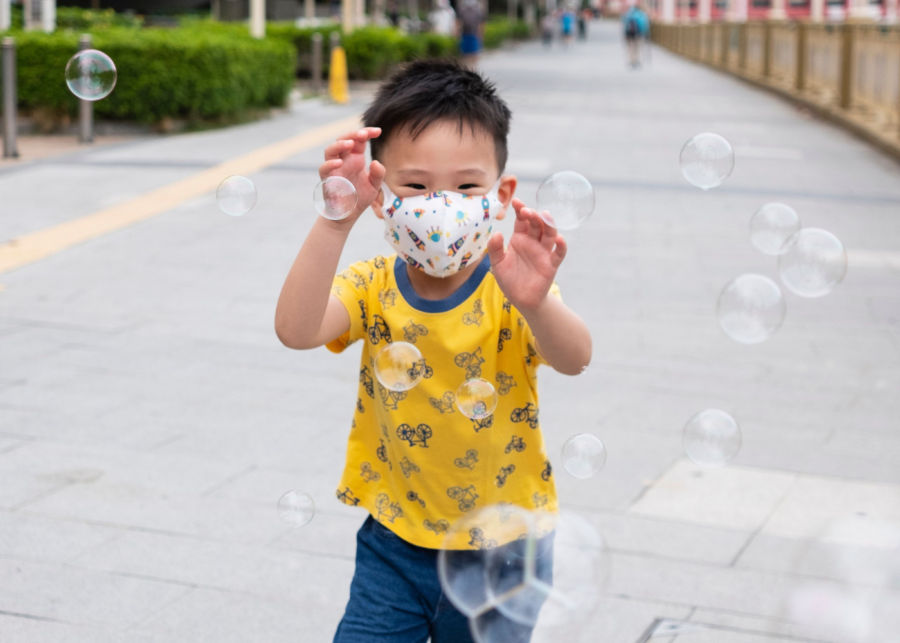
Children are not simply tiny adults. Their lungs are still developing, they breathe more air relative to their body size and they tend to be much more physically active than grown-ups. When they’re running around, they’re also breathing faster and more deeply. That means a child sprinting around an outdoor football pitch on a hazy afternoon can have a very different exposure from an adult who spends ten minutes walking from the car to the office.
This is why Singapore’s NEA specifically identifies children as a vulnerable group and recommends reducing prolonged or strenuous outdoor activity when air quality deteriorates.
Again, don’t panic about yesterday’s playground trip. The point isn’t that one afternoon outside is going to cause permanent harm. It’s that when pollution levels are high, reducing repeated and unnecessary exposure is a sensible precaution.
What can we do to stay safe from PM2.5 exposure?
The good news is that the solution isn’t particularly complicated.
- Check the air before you head out.
- Use the 24-hour PSI for planning and the PM2.5 reading for a more immediate picture of particulate pollution.
- Keep the air inside as clean as you reasonably can. A portable air purifier with a suitable HEPA filter can reduce fine particles indoors. Choose a unit appropriately sized for the room and paying attention to its clean-air delivery rate.
- When outdoor exposure is unavoidable during very poor air quality, use the right mask. An N95 can reduce exposure to fine particles when properly fitted. So do choose an N95 rather than a flimsy fashion mask if you genuinely need respiratory protection from haze particles.
The haze isn’t just about smelly air and a sore throat

Perhaps that’s the most important message. The haze is not simply about whether your eyes sting or the sky looks grey. For children, it is about developing lungs and cumulative exposure, and for pregnant women, it is about protecting both mother and baby during a particularly sensitive period. Women during and after menopause need to pay close attention to cardiovascular health.
And for all of us, there is growing evidence that air pollution can affect much more than the respiratory system, from blood pressure and inflammation to cardiovascular and mental health. None of this means living in fear every time Singapore disappears behind a smoky veil, but we can all be a little smarter about exposure.
Check the reading before you leave. Move the kids’ football session indoors. Run the HEPA purifier in the room where everyone sleeps. And if you really do have to spend hours outside when the air quality is dangerously poor, wear a properly fitted N95.
When the air turns bad, staying indoors isn’t being dramatic. Sometimes it’s just good parenting, and protecting your long term health.