When haze rolls into Singapore, it isn't just our own health we need to think about. Our four-legged family members breathe the same smoky air, and their daily walks, park visits and outdoor play sessions may need a rethink, too.
Whether you’re a dog parent to an energetic pup who lives for their morning walk or a senior pooch who prefers a gentle sniff around the neighbourhood, there are ways to keep your pet comfortable when air quality deteriorates. From shortening toilet breaks to planning indoor enrichment activities, here’s how to help protect your dog during hazy weather in Singapore.
1. Keep an eye on Singapore’s haze updates
Before heading out with your dog, check Singapore’s air quality updates through the National Environment Agency (NEA), the myENV app or haze.gov.sg.
The 24-hour Pollutant Standards Index (PSI) provides an indication of the day’s overall air quality, while the one-hour PM2.5 reading is useful for assessing current conditions. PM2.5 refers to fine airborne particles that can penetrate deep into the respiratory system.
Neither reading establishes a specific safe exposure threshold for every dog, so use them as a guide to help you make cautious decisions. If the haze is visibly thick, your dog seems uncomfortable or air quality is deteriorating, err on the side of keeping outdoor trips very short (under 5 minutes).
2. Make walks shorter and less strenuous (and do not put a mask on your dog!)
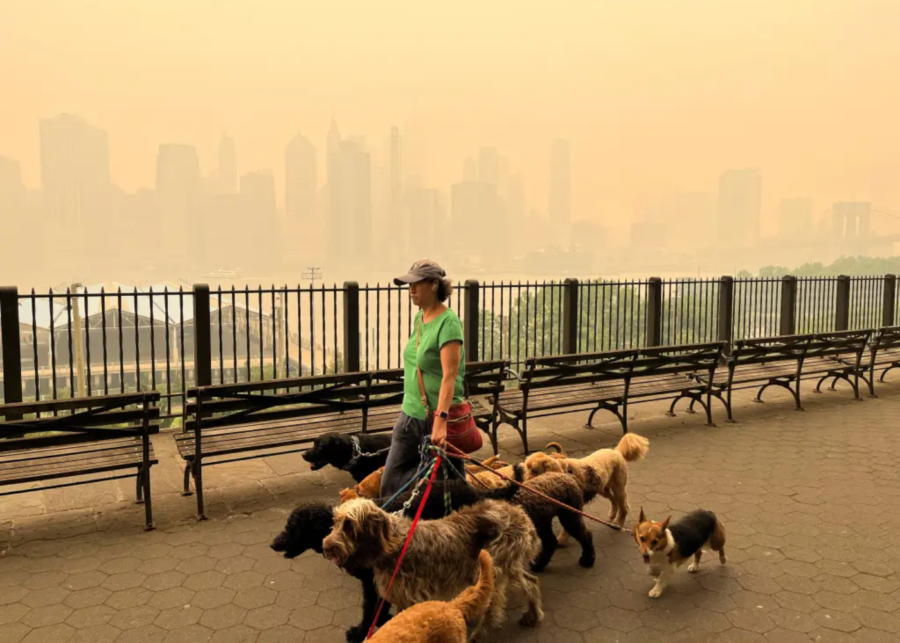
We know that daily walks are important for a dog’s physical health, mental stimulation and toilet routine. But during a haze episode, it may be sensible to temporarily swap the usual long walk for a quick toilet break. Keep outings brief, stick close to home and avoid strenuous activities such as running, cycling alongside your dog or playing fetch outdoors. Skip the dog park and postpone long hikes until conditions improve. Dogs should not wear masks, as ordinary human face masks are not designed to fit dogs safely or reliably protect them from haze particles. A mask can also interfere with panting, which dogs rely on to regulate their body temperature.
Try to avoid busy roads and other areas where traffic emissions may add to the pollution your dog encounters. If air quality is particularly poor, keep outdoor trips to the minimum necessary for toileting. Remember that individual dogs have different needs. Puppies, senior dogs, flat-faced breeds and dogs with existing heart or respiratory conditions may need extra care. Speak to your vet about an appropriate routine if your dog has a medical condition or struggles with exercise.
3. Keep your dog indoors when conditions are poor
If the haze worsens, the best plan may be to stay home together. Keep windows and doors closed when outdoor air quality deteriorates, and consider using an air purifier with a suitable particle filter, such as a HEPA filter, in the room where your dog spends most of their time. Air-conditioning can help keep your dog comfortable in Singapore’s heat, but check whether your system draws in outside air and follow the manufacturer’s instructions. Avoid indoor smoking, incense, aerosol sprays and other activities that could further affect air quality.
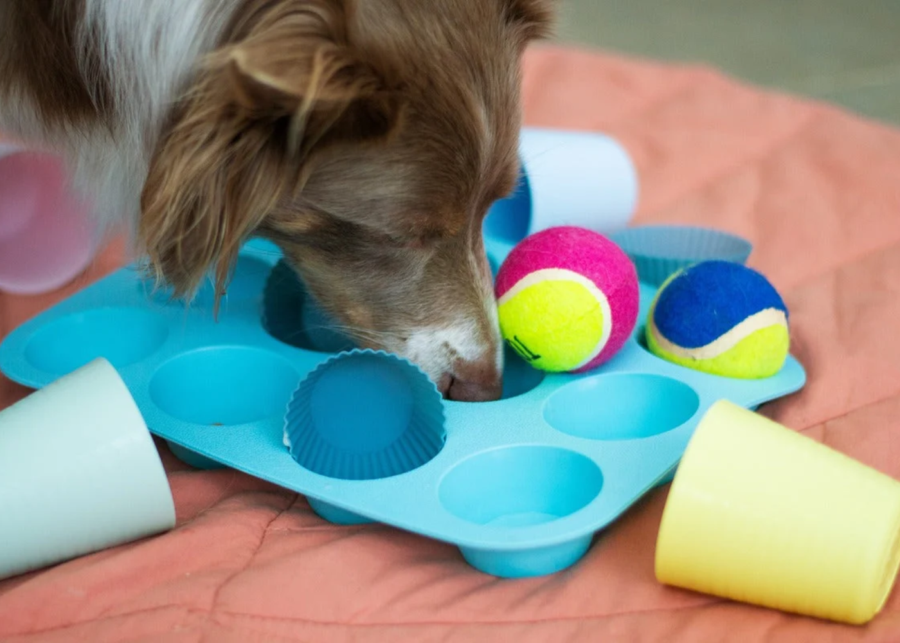
Don’t forget that staying indoors doesn’t have to mean a boring day. Puzzle feeders, treat-search games, short training sessions and indoor play can keep your dog mentally stimulated without a long outdoor outing.
4. Know the warning signs and when to call your vet
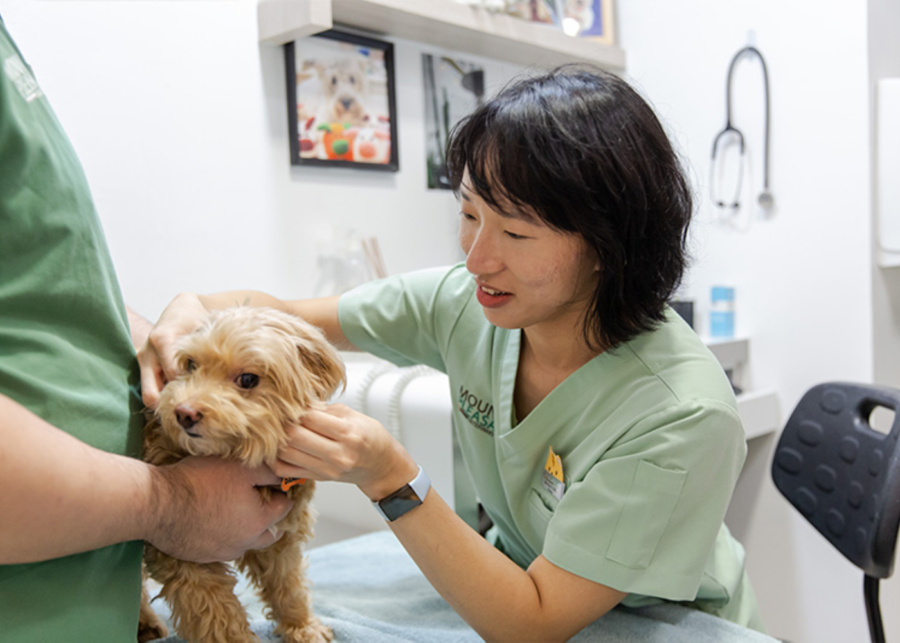
Dogs cannot tell us when the air is irritating their respiratory system, so watch for changes in their breathing and behaviour. Be alert to coughing, wheezing, unusual nasal discharge, eye irritation, reduced energy, or breathing that seems harder or faster than usual. These signs can have several causes, so don’t automatically assume haze is responsible.
Contact your vet promptly if your dog develops respiratory symptoms or seems unwell, particularly if they have an existing medical condition. If your dog is struggling to breathe, collapses or develops blue or grey gums, seek emergency veterinary care immediately.
If your dog already has a respiratory or heart condition, consider speaking to your vet before haze season so you have an appropriate plan in place. Never give your dog human medication or use a human respirator or mask on them as a substitute for reducing exposure unless a veterinarian has specifically advised you.
5. Swap outdoor adventures for indoor enrichment
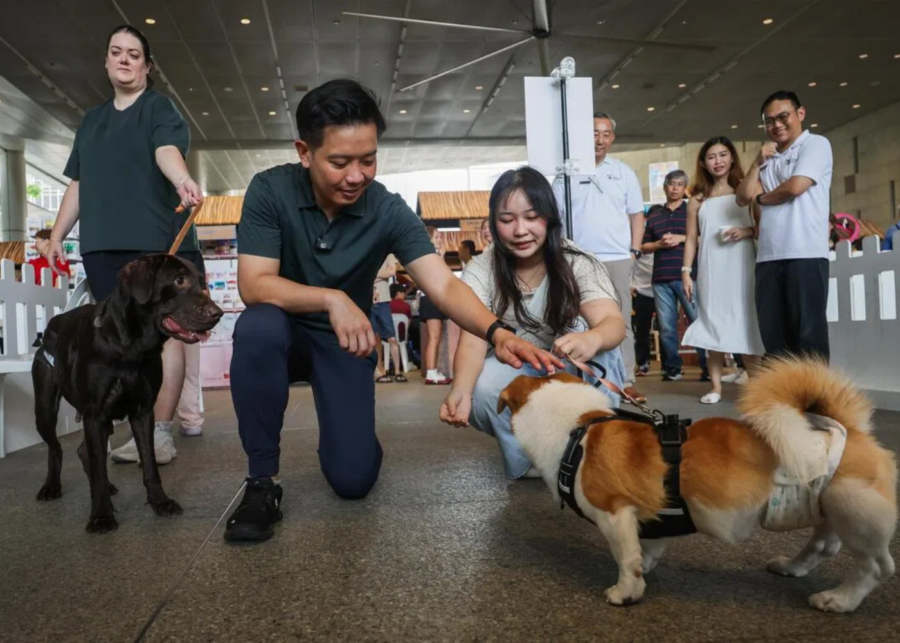
When the air outside isn’t suitable for a proper walk, bring the fun indoors. Dogs still need stimulation, even when they’re spending more time at home. Try hiding a few pieces of your dog’s usual kibble around a room for a supervised sniffing game, offering a suitable food puzzle, practising basic commands or teaching a new trick. Short, positive training sessions can help burn off some mental energy without overexerting your pet.
If your dog is accustomed to socialising or enjoys a change of scene, a suitable indoor dog facility may be an option. However, check that the space is genuinely indoors, air-conditioned where appropriate, and well ventilated and maintained. Indoor does not automatically mean clean air, and group play is not suitable for every dog.
6. Plan a pet-friendly day out
Need to get out of the house? Singapore has some pet-friendly cafés, shopping destinations and indoor dog facilities worth investigating. The important thing is to distinguish between places that welcome dogs indoors and those that only allow pets in outdoor dining areas.
A pet-friendly venue is not automatically a haze-safe destination. Check the venue’s current pet policy, whether dogs can enter its air-conditioned interior, and whether its ventilation and indoor air quality are appropriate. Avoid a long journey or a busy outing if the haze is severe.
If you’re considering dog daycare, ask about indoor play areas, ventilation, rest periods, supervision and whether outdoor walks are part of the programme. You can also request that outdoor activities be omitted where the facility allows it.
7. Return to your usual routine gradually
Once air quality improves, you can gradually resume your dog’s usual walks and activities. Pay attention to how your pet responds, and don’t rush back into strenuous exercise if your dog has been unwell or less active. For dogs with existing health problems, follow your vet’s advice about when and how to return to normal exercise. A little flexibility during haze season can go a long way towards keeping your furry family member safe and comfortable during the haze.
Stay safe, and keep your dogs safe too!