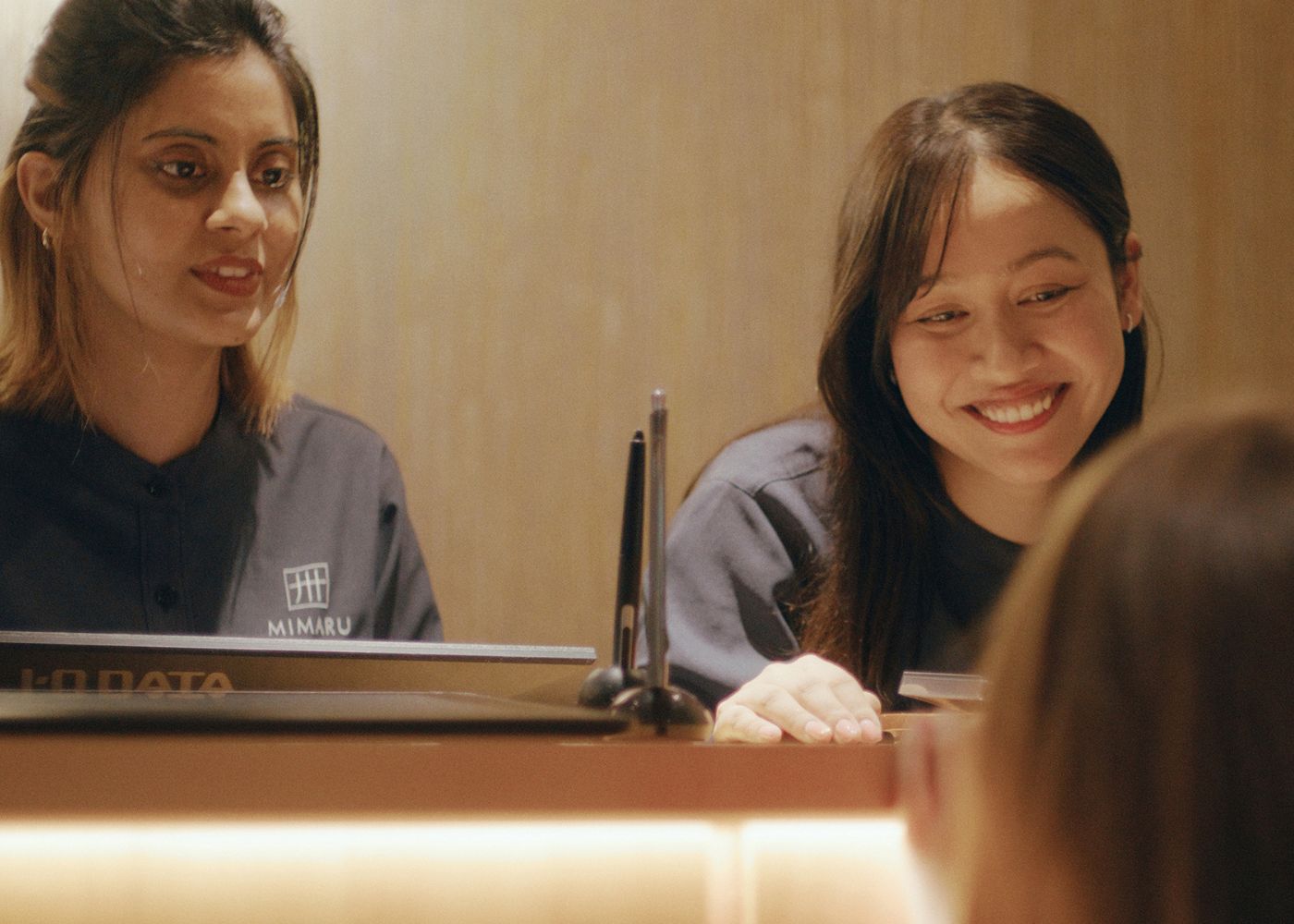
The best travel tips often come from the lovely folks manning your hotel’s front desk. So we got someone from Apartment Hotel Mimaru, a popular family hotel chain in Japan, to give us their recommendations for a fuss-free and fun-filled family holiday in the Land of the Rising Sun.
There are few people who know a Japanese city better than the front desk staff at the hotel you’re staying in. Sure, you can ask any local for suggestions on the best restaurants or underrated spots worth visiting. But your hotel’s front desk staff can provide local tips and more, sans the language barrier. Plus, they have experience in knowing what a tourist would need when visiting a new city.
You went overboard with shopping and need a cabin bag pronto? Your front desk can direct you to the nearest store for an inexpensive one. Your travel cot is damaged and you didn’t reserve one at the hotel? Fret not, front desk may have an in-house solution, or can tell you where to get one. Need kid-friendly food recommendations? Just ask your hotel’s front desk, they’ll be able to recommend restaurants that local families with little ones rave about.
So if you’re planning a family holiday to Japan soon, this list is compiled just for you. Read on for some useful travel tips and recos shared by a guest-facing team member of Apartment Hotel Mimaru, based on her experience as a former front desk staff of the popular family hotel chain.
1. Exploring Japan by train? Download the Navitime and Jorudan apps.
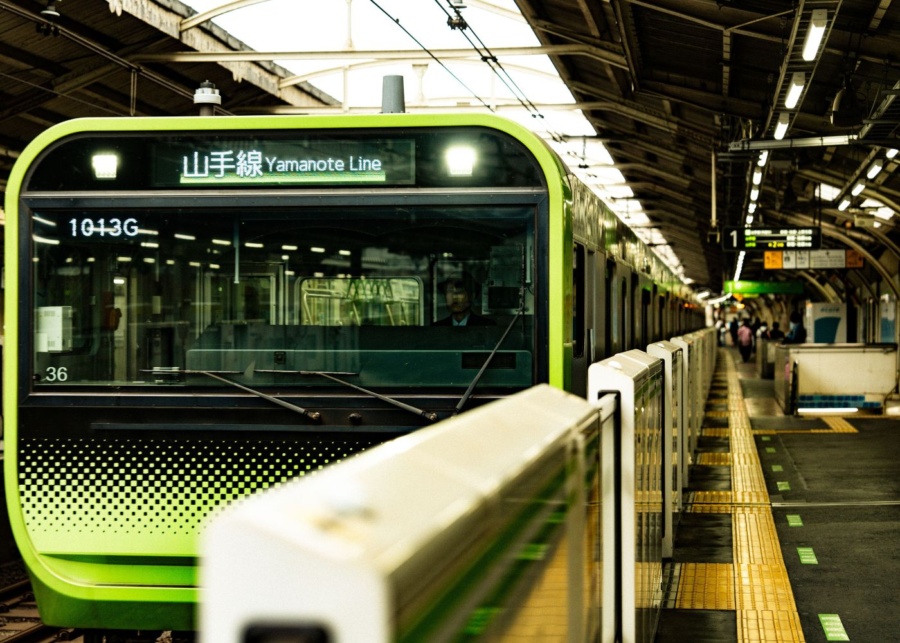
Front desk says: Google Maps works well in Japan. But if you’re looking for more detailed route information, such as route options, train information, and transfer suggestions, apps like Navitime and Jorudan can help you with that.
These extra info can also come in handy when you’re travelling with little ones, so you have an idea of how far you need to walk, or if there are options that involve less transfers.
Bonus tip: Use Japan’s famed luggage delivery service so you can travel light and easy with the kids to your next destination. Some hotels, like Apartment Hotel Mimaru, offer same-day luggage delivery service; or your front desk can suggest a delivery service and help you make the necessary arrangements.
2. Worried that your hotel won’t have enough baby cots? Book a Japanese-style tatami room instead.
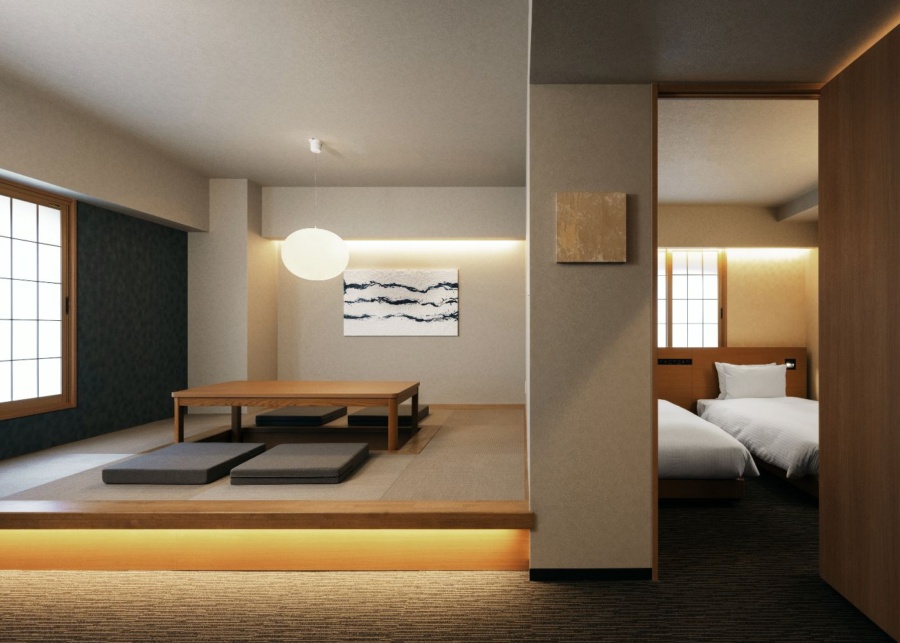
Front desk says: If you’re visiting Japan during peak season and worried that hotels may not have enough baby cots, you can consider looking for one with Japanese-style tatami rooms as an alternative. Many Japanese families opt for tatami rooms for the futon floor beds, as these pose lower fall risk for little ones. You can also store futons away during day time for kids to have more space to play in the room. Another plus point – tatamis are always kept clean as shoes are not permitted on tatami areas, making it safe for bub to play and crawl around.
Should you be staying with Apartment Hotel Mimaru and requested for a baby cot upon booking, rest assured that the team will have a cot prepared and ready when you arrive. If you’re co-sleeping with a child above two years old, we can supply bed guards as well.
3. Travelling with kids and their grandparents? Consider booking two/three-bedders or connecting rooms.
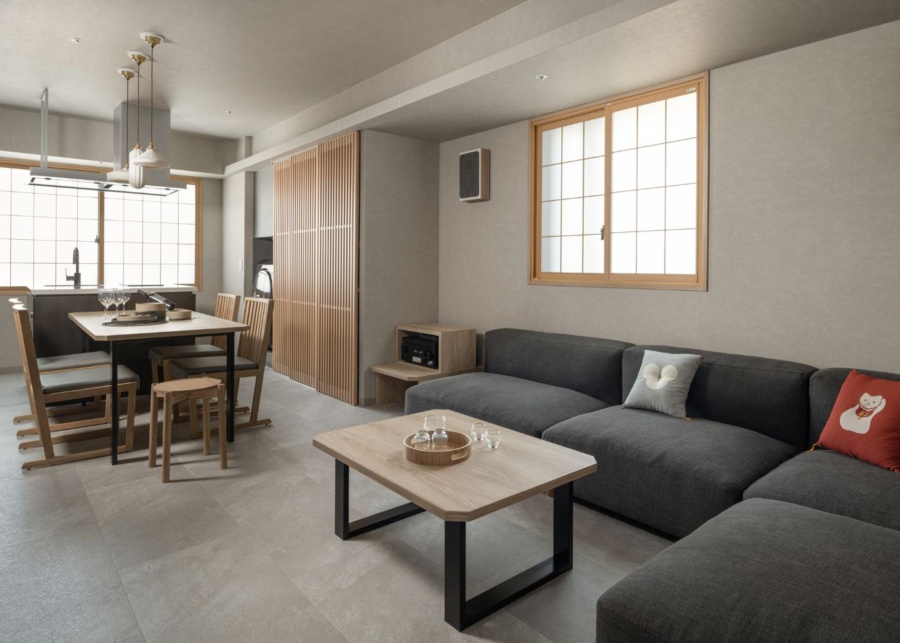
Front desk says: Everyone appreciates some personal space, and I notice this is especially so if you’re travelling as a multi-generational group.
Travelling styles can differ according to age and lifestyle. If you’re travelling with toddlers you might have fixed schedules for nap and bedtime. But their grandparents may be more flexible with their timings and might want to explore the city or watch TV in the room. Sharing a single room with only a single space may not be ideal for everyone.
For extended family stays, I recommend booking a two or three-bedroom suite or connecting rooms. This way, everyone has their own space to relax, but can still stay connected and spend time together throughout the trip.
Bonus tip: You can find two-bedroom apartments and connecting apartments at selected Apartment Hotel Mimarus in Tokyo, Kyoto, and Osaka. Mimaru Suites Kyoto Shijo has a two-bedroom Japanese suite perfect for six family members; while Mimaru Tokyo Nihombashi Suitengeumae features connecting Japanese apartments that can accommodate up to nine. These room types usually come with two bathrooms as well, so no long waits to use the bath – a big win!
4. Feeling under the weather? Ask if there’s a telemedicine or hotel-visit medical service.

Front desk says: Tourists often find the healthcare system in Japan a little intimidating, mostly due to language barriers. Depending on the situation, your hotel front desk should be able to link you up with one of these and provide basic support.
As a rule of thumb, most Japanese will first visit local clinics rather than hospitals. They’re easier to access and may even have shorter waiting times. Another possible option is to get a pharmacist to prescribe over-the-counter medication. You can refer to the Tokyo Metropolitan Government’s official multilingual medical information website for more information on this
Another piece of useful info is that there’s been a growth in doctor-on-call (or telemedicine) and hotel-visit medical services in recent years. So if your symptoms are mild and would rather stay in your room, this could be an alternative.
Bonus tip: If you’re staying at a Apartment Hotel Mimaru property, our insider shared that its front desk staff can help you prepare a memo stating yours or your little one’s condition and symptoms. You can bring this memo along when you visit the pharmacy or clinic the staff recommends for medical attention. Super helpful!
5. Looking for kid-friendly food recommendations? Don’t miss out on the famiresu experience.
Front desk says: Personally, I think famiresu is a ‘hidden side’ of Japan that families shouldn’t miss out on. Famiresu is a Japanese term referring to local family restaurants, which are usually casual dining places designed specifically for groups and families. They offer a wide range of dishes, spacious seating, as well as options for kids and adults. Local families often visit famiresu for an affordable and fuss-free meal when dining out.
If you’re visiting Tokyo, I highly recommend you bring your kids to try monjayaki. Similar to an okonomiyaki but unique to the Kanto region, you and your kids can watch the chef prepare it for you on the spot; or you can try and cook it yourself too!
Alternatively, if you’re visiting during cooler seasons, chanko nabe (or sumo stew) is a hearty dish you can share as a family!
Bonus tip: Walk-ins can sometimes be tricky if you’re dining in a large group in Japan, especially in popular restaurants or during peak travel season. Our insider advises you to reserve a table ahead of time – you can use apps like TableCheck for this. Trust us, it’ll save you so much waiting time and avoid hangry situations with the kids.
Or if you prefer to dine in your room after a long day out, Uber Eats is a common food delivery service that you can rely on.
Picking a hotel that specialises in hosting families can make a huge difference
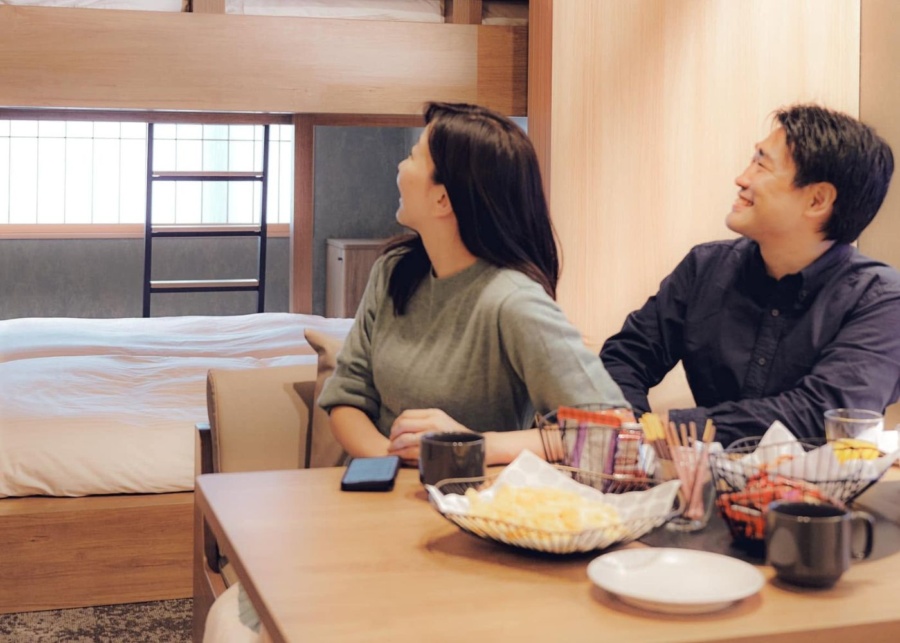
Your hotel’s front desk is your best guide to Japan, so choosing a hotel that specifically caters to families also means having a guide to everything family-related in Japan. Apartment Hotel Mimaru is a great example of this, featuring everything from spacious apartment-style rooms with fully equipped kitchenettes, toys for rent, and even stroller rental services. All of its front desk staff are attuned to families’ needs, and reviews say they’re great with kids too.
There are more than 20 Apartment Hotel Mimaru properties spread across the popular cities of Tokyo, Osaka, and Kyoto, so you can easily find one that fits in your travel plan and size. Plus, this hotel has some cool themed rooms, including the crowd favourite Pokémon room, ninja room (there’s a hidden room in this one), board game room, and more.
Next time you need travel recommendations, don’t hesitate to ask your hotel’s front desk – they’re the insiders you need to make the most out of your holiday.
This post is in partnership with Apartment Hotel Mimaru.