We were told to teach our children to code. Then the machines learned to code. So what do we teach them now?
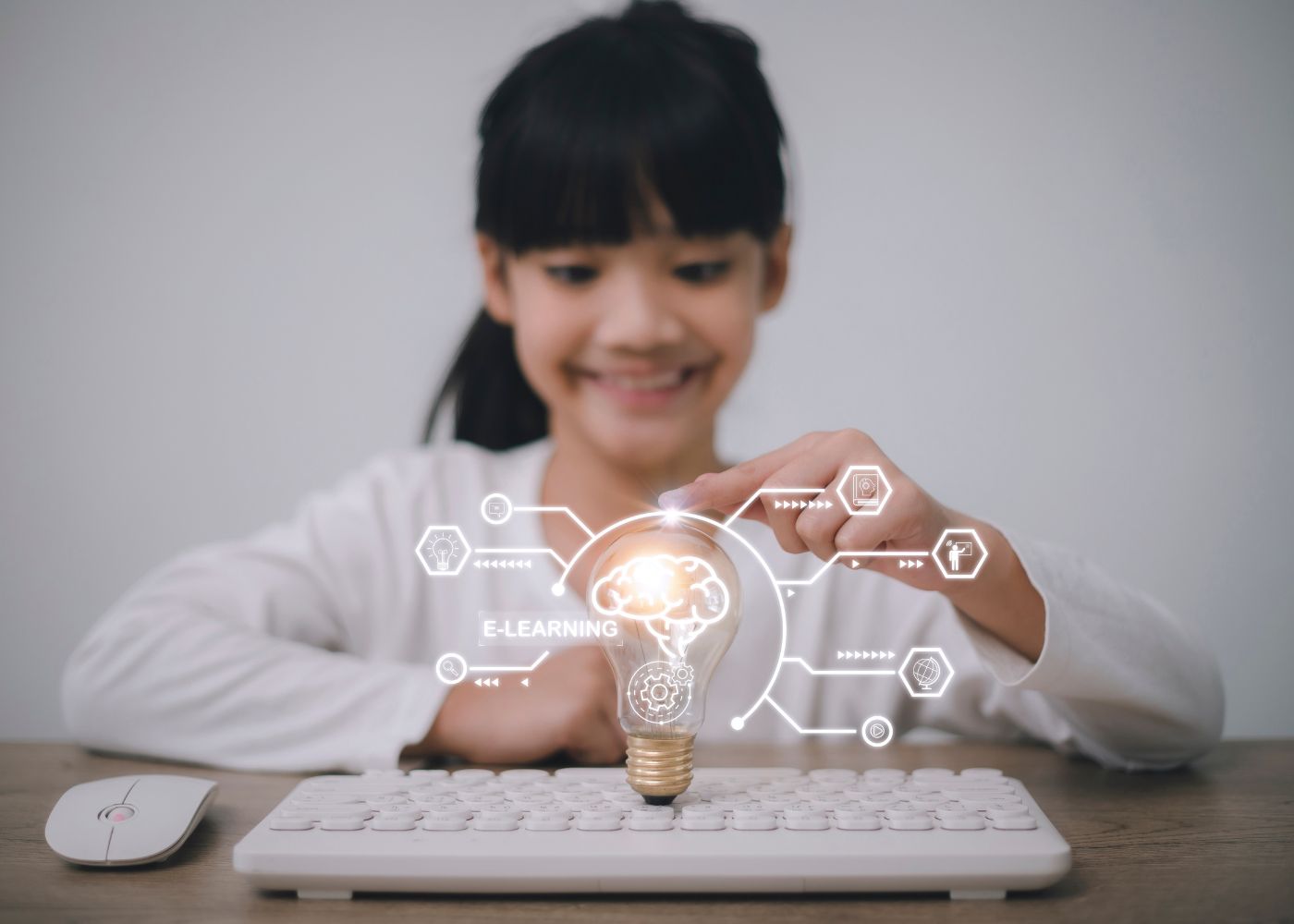
Right now, most children’s relationship with AI is a passive one. It finishes their sentences. It answers their homework. It decides what they watch next. They consume it. They don’t direct it.
In two hours, that flips.
Your child describes an app they want, in plain English and in their own words, and watches it become real. They plan it on paper, work out who it is for and how it should feel, brief the AI, build it, test it, publish it live to the internet, and stand up and present it to the room.
Along the way they practise planning before building, design thinking, prompting effectively, creativity with a deadline, taking an idea from ideation to execution, and pitching what they made.
They go home with a real app anyone can open on their phone. And with something harder to measure: the confidence to have a go in the AI age, the joy of making something from nothing, and optimism about the future.
No coding experience needed. No laptop needed either, as every child works on their own iMac in a studio inside Marina Square. Ten seats per class.
If they arrive without an idea, there is a menu of starter projects to build from, including one that lets them earn screen time by finishing their chores.
Led by Serene Loong: fifteen years a creative director, building software with AI since 2022, with no engineering background. Which is rather the point.
Every child leaves with a working, published web app.